Smart Home Apps Are Google's Unfinished Business

Photo: Engadget

Article

Smart Home Apps Are Google's Unfinished Business

Three recent stories show the same pattern: the software layer of the smart home is where capability outruns clarity, and US consumers absorb the difference.

BhavyaNovember 2, 20264 min read

The smart home's center of gravity has moved from hardware to app software, and the software is being shipped faster than it is being explained. Three recent stories on this beat, from Engadget, CNET and ZDNET, describe three different products, but they describe one pattern. Capability is arriving ahead of clarity, and the burden of closing that gap is falling on US consumers and the companies that sell to them.

Features Before Explanations

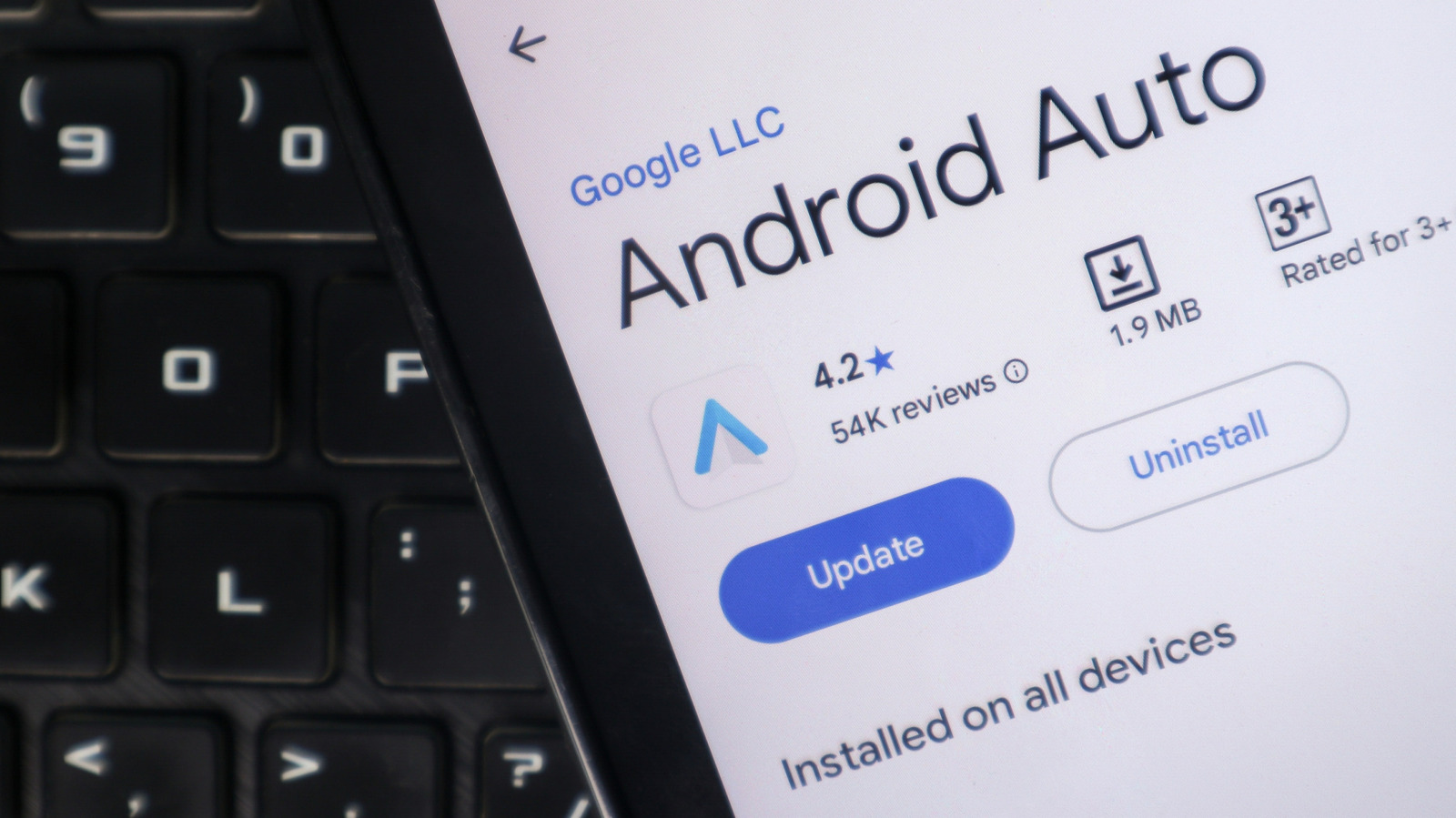
Engadget's report on Android Auto is the cleanest example. The outlet found a hidden toggle buried in the Android Auto app's code that isn't functional yet. Engadget framed the finding carefully, describing what the feature could do, what it might not, and noting what Google hasn't said so far. That framing is itself the story: a capability exists in shipped software, no one has explained it, and the public record is a code artifact rather than a product announcement.

This is a familiar sequence in app development. Teams build ahead of launch, code lands before copy does, and observers find the seams. The concern is not that Google is experimenting. It is that the experiment is visible to users before the company has decided what to say about it. For Android Auto specifically, the stakes are unusually personal. The feature Engadget described is framed around work-life balance, which is to say it touches the boundary between driving for a living and driving home. A toggle that affects that boundary deserves an explanation at the moment it appears, not after users have already found it.

The Layered App Stack

CNET's reporting on third-party AI apps for Ring security describes a different kind of gap: the one between what a camera platform does out of the box and what outside software can do with it. Ring cameras offer broad capabilities, and third-party AI tools give homeowners' associations, landlords and others even more ways to use them.

The important word in that sentence is "others." The person who buys and mounts a camera is not always the person who decides what its footage is analyzed for. When AI layers from outside vendors sit on top of a consumer device, the app stack becomes a governance stack, and the consumer at the bottom of it may not know who is on top. That is a distinctly American problem in its shape: a market that rewards added capability, a device owner who expects control, and institutions in between that have their own reasons to want the data.

None of this makes third-party AI inherently bad. CNET's framing asks whether consumers need these tools, which is the right question, and it implies the answer varies. The pattern is that the question has to be asked at all. A platform mature enough for institutional add-ons should make the chain of custody obvious in the app itself.


Fixes as a Form of Disclosure

ZDNET's story on Google's latest Home updates is the third variation, and the most instructive. Google detailed 42 fixes to its Home app and the devices compatible with it, addressing annoyances with its speakers and cameras. Forty-two is a large number, and it is worth pausing on what a list that long implies.

A fix list is a confession written in the passive voice. Each item is a small admission that something shipped in a state that needed correcting, and the aggregate is a picture of a platform that users have been living with, and working around, for some time. The fact that Google published the list is to its credit; silence would have been worse. But the volume tells you where the software layer sits relative to the hardware. The speakers and cameras were already in American homes. The software that makes them coherent is still catching up.

Why the App Layer Carries the Risk

For US technology companies, the pattern has a commercial dimension. Hardware margins are decided at purchase; app quality is decided every day afterward. A hidden toggle, an unexplained AI layer, or a long fix list all land on the same balance sheet, because they shape whether a customer trusts the next product from the same brand. The companies that treat app clarity as a product feature rather than a communications task will keep the customers that the ones treating it as an afterthought will lose.

For US consumers, the practical effect is that diligence has moved into the app. Reading a settings screen is now part of owning a device, and the three stories above show why: the meaningful choices are increasingly in software, and some of them arrive before anyone has explained them. That is not a crisis. It is an ongoing tax on attention, paid by people who bought a speaker, a camera or a car head unit expecting the software to be the easy part.

What to Watch

Three concrete things, all grounded in what these outlets reported. First, whether Google says anything about the Android Auto toggle Engadget found, and whether that disclosure comes before or after the feature ships. The timing will indicate how the company weighs user explanation against release schedules. Second, how Ring and the third-party AI vendors CNET covered make the data chain visible to the person who owns the camera, particularly when a homeowners' association or landlord is the one choosing the tool. Third, whether Google's next Home update arrives with a fix list as long as the one ZDNET documented. A shorter list would suggest the software is stabilizing. Another long one would suggest the pattern is still running.

None of these stories is alarming on its own. Together they describe an app layer that is doing more than it can currently explain, and a market where the explanation is becoming as important as the capability.

More on this beat: Software on TechManNews.

#smart home#Android Auto#Ring security#Google Home#consumer apps#app software

Newsletter

Get Tech News in Your Inbox

The latest AI, gadgets, software and startup stories from TechManNews, delivered every morning - free.