The Gadget Industry's New Measure Is Usefulness, Not Specs

Photo: Engadget

Article

The Gadget Industry's New Measure Is Usefulness, Not Specs

Meta's robot, Apple's HomeView hints, Google's sturdy foldable and the quiet death of 8K TVs all point to a market that now rewards practicality over spectacle.

ManishankarNovember 1, 20264 min read

The recent run of gadget news shares one thread: products are being judged by whether they are useful, durable and actually bought, not by how impressive they sound on a specification sheet. Meta is reportedly prototyping a humanoid that does household chores, Apple's smart home hub may be edging into security cameras, Google is being praised for building a sturdy foldable, and 8K TVs have largely stalled. Each story is a different test of the same proposition, and together they describe a US market that has stopped paying a premium for headline numbers.

8K and the Limits of Inevitability

The clearest evidence of the shift is the television story. As Engadget reported, 8K TVs sounded like the inevitable upgrade to 4K, but they have barely sold and most companies are no longer bothering to make them. That is a remarkable admission for a consumer electronics category that spent years assuming resolution would keep climbing on schedule. The failure is not technical. It is that American buyers looked at the step up from 4K and could not find a reason in their daily viewing to pay for it. Inevitability, it turns out, is not a purchase driver. A format that cannot explain itself in ordinary use does not get adopted, no matter how many trade show demonstrations it gets.

Durability as the New Feature

The foldable story from TechCrunch makes a related point from the opposite direction. Google's Pixel 11 Pro Fold is described as a sturdy phone, which sounds like faint praise until it is set against the observation that competition in the foldable world is increasing. Foldables spent their early years as engineering showcases, with buyers asked to accept fragility as the cost of novelty. A sturdy foldable shifts the pitch to reliability, which is what a mainstream US buyer actually wants from a phone that costs as much as a laptop. The competitive pressure TechCrunch notes means the category can no longer win on the mere fact of folding. The winner will be the device that survives being carried every day.

Apple Moves Toward the Home's Practical Jobs

The Apple item, reported by The Verge, follows the same logic in software. A Reddit user going by pdfu found strings hidden in the HomeView 27.2 code describing a security camera mode with motion detection, live streaming and recording options, along with privacy functions, and a setup page that appears to address the feature explicitly. The caveat is obvious and worth stating: this is code archaeology, not an announced product, and hidden strings do not guarantee a shipping feature. But the direction is telling. A smart home hub that watches the house is doing a job people already pay for separately, and it is the kind of function that justifies a device sitting in a kitchen rather than merely being interesting. Apple built its reputation on polish; this suggests an interest in a more utilitarian role.

Meta Bets on Chores

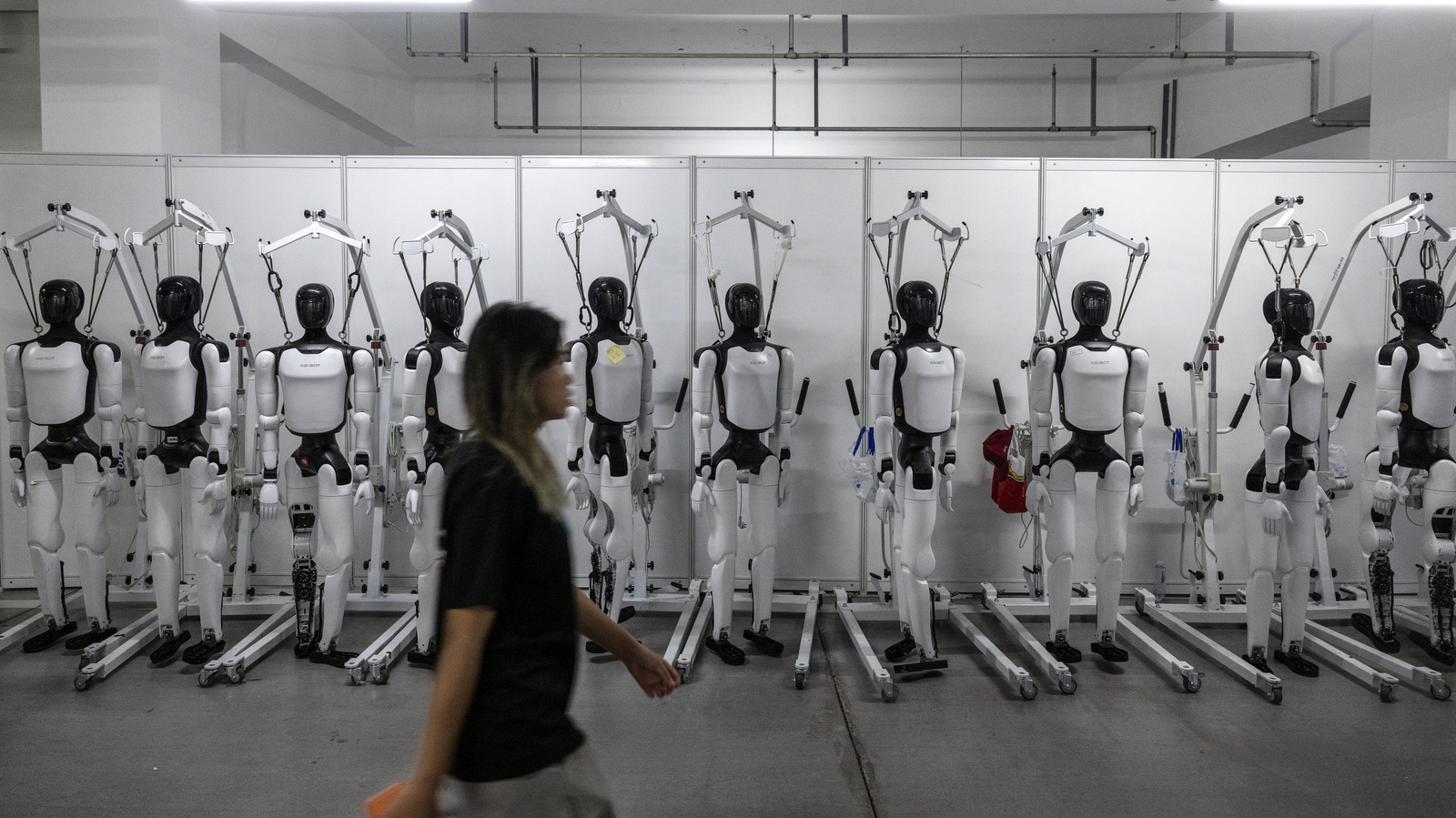
Meta's reported humanoid prototype, per Engadget, is said to be able to do household chores, and the company is reportedly already working on a second version codenamed Max 2. Of the four stories, this is the one furthest from a US store shelf, and it should be read with the most caution. A prototype is not a product, and a report is not a launch. Yet the framing matters. Meta is not pitching the robot as a companion, a performer or a demonstration of artificial intelligence prowess. It is pitching household chores, which is the most boring and most economically real use case available. The existence of a second version suggests an internal roadmap rather than a one-off experiment, which is the detail worth noting.

What This Means for the US Market

For American technology companies, the implication is that the premium for spectacle has narrowed. The 8K lesson is that a technically superior format can fail commercially if buyers cannot connect it to something they do. The foldable lesson is that a novel form factor becomes a real business only once durability stops being the question. The Apple and Meta stories suggest where the next round of competition is aimed: at chores, security, and the unglamorous maintenance of daily life. That is a harder market in some ways, because utility is measured against existing habits, and buyers are quick to notice when a device creates work rather than removing it. It is also a more defensible one, because a product that is genuinely useful is harder to replace with a cheaper spec sheet.

For US consumers, the practical effect is likely to be a slower stream of launches framed around reliability and specific tasks rather than around numbers. That is not a bad outcome. The categories that stalled, like 8K, were stalled by their own abstraction. The ones that are advancing are the ones that can be described in a sentence about what they do around the house.

What to Watch

The immediate questions are concrete and all traceable to the reporting above. Whether Apple's HomeView strings become a shipping security camera mode or remain buried code is the first. Whether Google's sturdy foldable approach is matched by rivals, given TechCrunch's note of increasing competition, is the second. Whether Meta's Max 2 is ever described publicly, rather than only in reports, is the third. And whether any television maker revisits 8K with a clearer case for it, or leaves the format to quietly fade, is the fourth. None of these requires a prediction. Each is simply the next datapoint on whether usefulness keeps winning.

Sources: Engadget, The Verge, TechCrunch.

More on this beat: Gadgets on TechManNews.

#consumer electronics#smart home#foldables#8K TVs#humanoid robots#US market

Newsletter

Get Tech News in Your Inbox

The latest AI, gadgets, software and startup stories from TechManNews, delivered every morning - free.