The four items on this desk share a single thread: the software already exists, and almost nobody can find it. A canceled Valve game surfaced only because hobbyists reassembled it from leaks, while three shipping products from Microsoft and Google sit behind menus and menus-within-menus that most users never open. The constraint on value in 2026 is not engineering capacity. It is discoverability, and the gap between what has been built and what people know about.
What the Leak Actually Demonstrates
The story of F-Stop, the canceled Portal prequel, is usually told as a preservation story. As The Verge reported, leakers pieced together a playable version after most assets came from the massive 12-terabyte leak that dropped this August; the source code and map data were missing until those final pieces hit the Valve Cut Content Discord this week. The striking detail is not that fans wanted the game. It is that a nearly complete version existed at all, and that the only path to it ran through a Discord server, a terabyte-scale dump, and years of collective effort by people outside the company.
For US publishers, that is a cautionary data point rather than a romantic one. Valve's canceled work had no official distribution channel because it was canceled, so the leak is not evidence of a discovery failure in the ordinary sense. But the mechanics of how it surfaced are instructive: a community with a shared vocabulary, a place to compare notes, and enough persistence to reassemble something the original owner had written off. That is a functioning discovery layer. It just happens to be unofficial.
The Shipping Products Nobody Points At
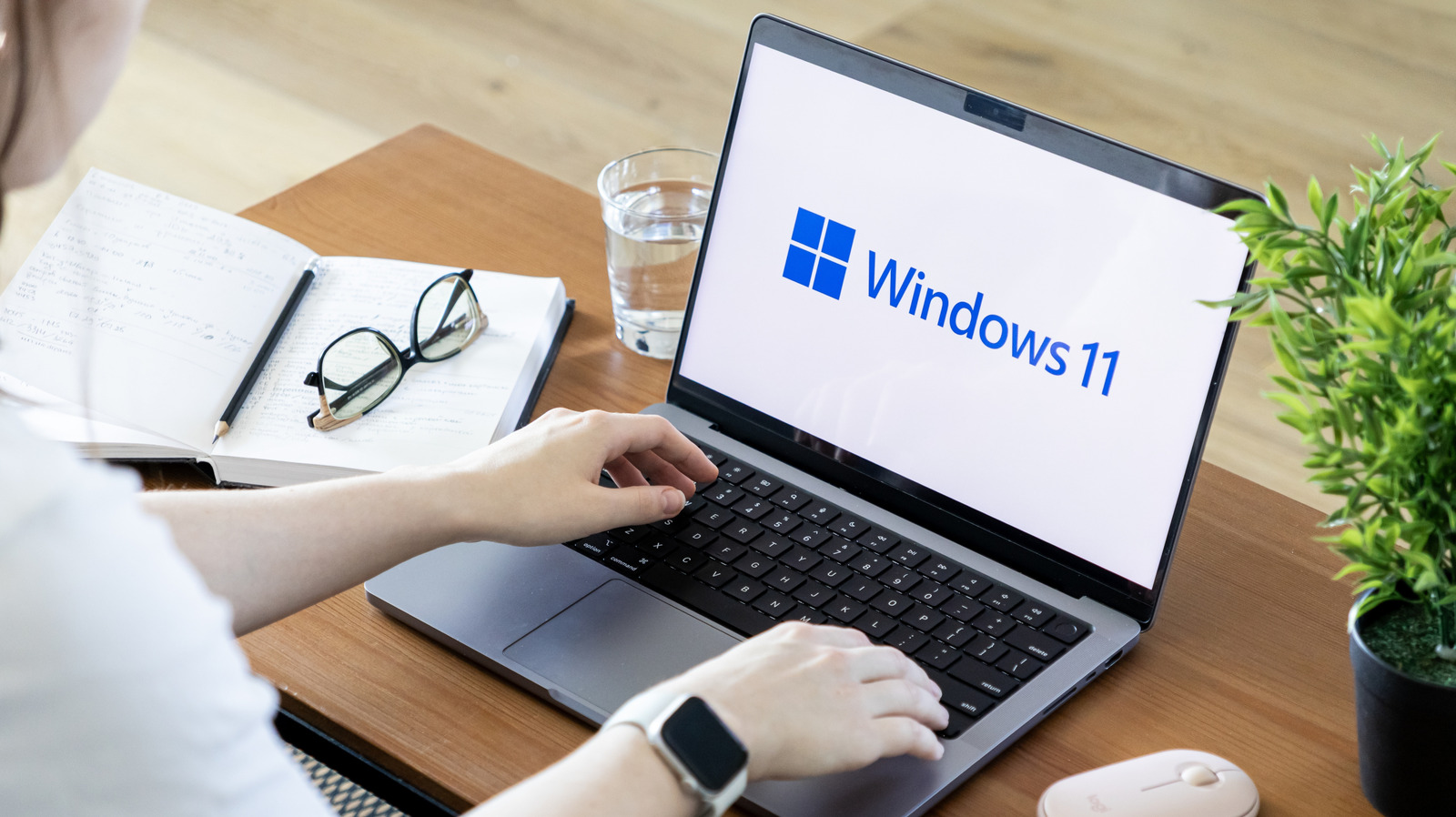
The other three stories are about software that is not canceled, not secret, and not hard to run. They are simply unadvertised. Engadget noted a hidden Windows 11 menu that connects users with Settings, Task Manager, Event Viewer and more in one place, aimed squarely at troubleshooting. It also flagged a better option than the built-in Windows tools for keeping a PC running smoothly, without that option being obvious to the average owner. Wired, meanwhile, pointed out that Google Drive contains a free video editor, a web app called Google Vids, that anyone can use, and that many people have not noticed among everything the free suite offers.
These are not failed products. They are mature, maintained, zero-cost additions to platforms that hundreds of millions of Americans already use. The failure is in the last mile: the menu that does not announce itself, the app that lives inside a storage product, the utility that arrives without a notification. Microsoft and Google have each shipped functionality that a meaningful share of their own installed base would use weekly if they knew it existed.
Why This Is a US Problem Specifically
The economics here are distinctly American. US consumers and small businesses pay for software through subscriptions and bundled suites, and the value of those bundles is computed against features customers actually use. A Google Drive subscriber who never opens Google Vids is paying for a video editor and receiving a file locker. A Windows 11 user who never finds the troubleshooting menu is paying, in time and in support calls, for diagnostics that are already installed. The waste is invisible on both sides of the transaction.
For US technology companies, the strategic exposure is competitive rather than existential. Rivals do not need to outbuild Microsoft or Google; they need only to be findable. A third-party PC maintenance tool competing against an overlooked built-in option is not competing on capability. It is competing on the fact that someone told the user it exists. That is a thin moat for the incumbent and a durable opening for challengers, and it explains why so much of the consumer software market rewards packaging and placement over raw engineering.