AI Arrives in the OS, and the OS Becomes the Battleground

Photo: Engadget

Article

AI Arrives in the OS, and the OS Becomes the Battleground

The same AI capability that vendors are building into mobile operating systems is being turned against Windows users, exposing an OS-level security gap US platform owners have yet to address.

NagiNovember 1, 20264 min read

Artificial intelligence is no longer just an OS feature; it is becoming an OS workload, and that shift is cutting in two directions at once. Vendors are adding AI-adjacent capabilities to mobile operating systems as competitive differentiators, while attackers are already routing an OS-level data theft operation through a large language model to decide what is worth stealing. The common thread is that the operating system, not the app layer, is where AI is now being placed, and that placement carries security, trust and platform-policy consequences that US platform owners have not fully priced in.

The AI hook is now an OS feature

The mobile side of this beat shows how thoroughly AI and assistive intelligence have been absorbed into the operating system's own value proposition. As Engadget reports, Samsung's One UI is being marketed on the strength of features users cannot get on other Android phones, positioning the vendor's software layer rather than the underlying Android platform as the differentiator. In the same vein, Engadget's guidance on clearing cache on Android devices treats routine OS and app maintenance as a recurring user task, the kind of housekeeping that a well-integrated system layer is increasingly expected to handle. Read together, these two items describe an operating system market in which the vendor-controlled layer above the kernel is where consumer value and vendor lock-in are created. That is exactly the layer where AI features are being added, because it is the layer vendors control and can ship without waiting on anyone else.

The same layer is now an attack surface

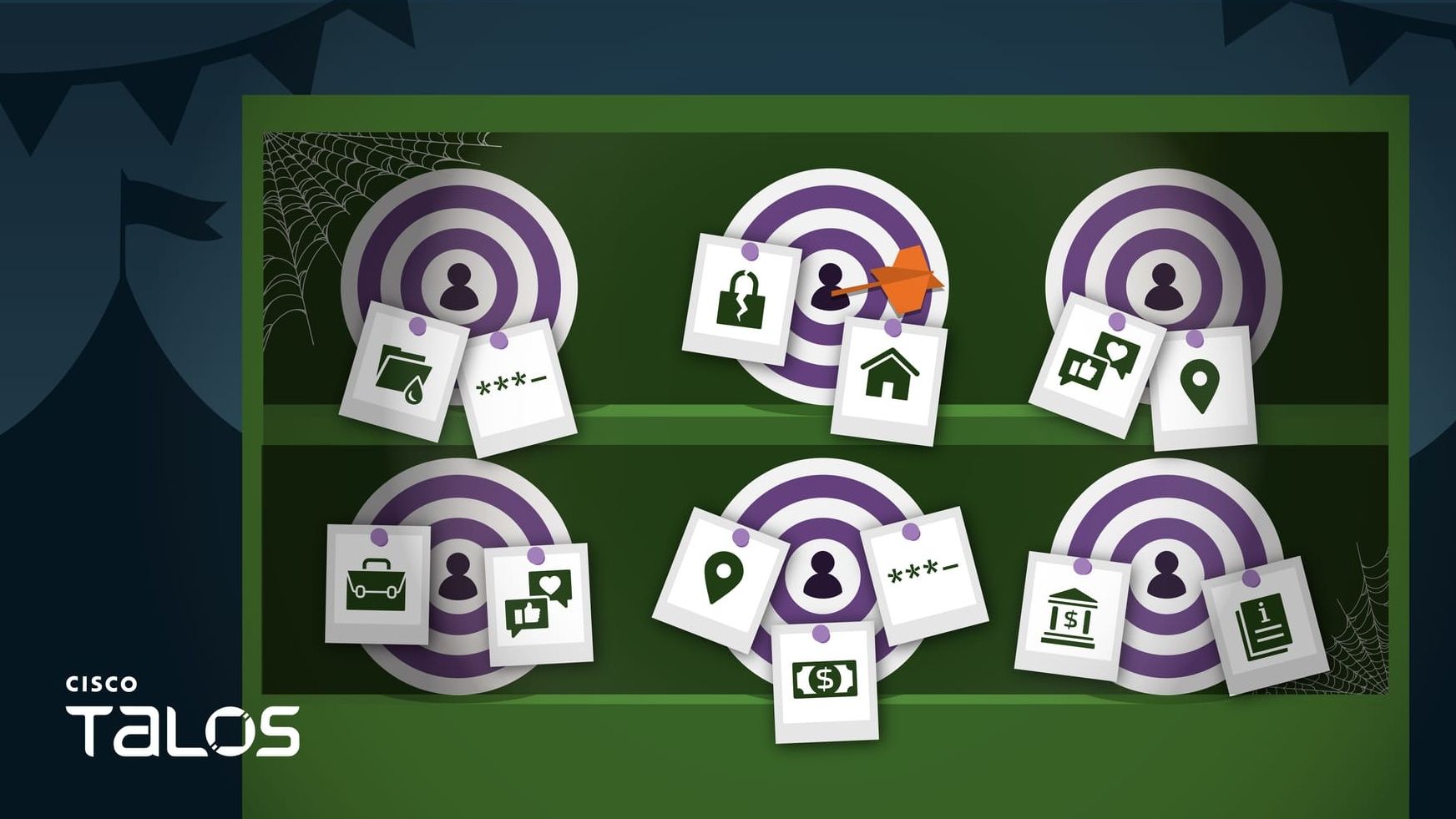
The Windows story is the other half of the pattern. Cisco Talos, as reported by Tom's Hardware, has documented a VOLTA infostealer that sends stolen victim data to Claude Opus 4.6 to rank assets by monetization value. The malware builds a custom target assessment, can switch models if one refuses, and can skip the AI step entirely. Two details matter for an operating systems analysis. First, the AI call is not a gimmick bolted onto a payload; it is an operational step in a data-theft workflow, invoked from the compromised host. Second, the model-refusal fallback and the optional no-AI path show the tooling has been engineered for reliability against safety controls, which turns model guardrails into a configuration variable rather than a barrier.

What the pairing means for the OS vendor

The pattern is that AI is moving into the operating system from both ends: vendors add it to make the OS stickier, and attackers add it to make the compromised OS more productive for them. For US platform owners, this creates a governance problem that sits squarely on the operating systems beat. The OS vendor ships the model access, the networking, the process isolation and the update channel. When a payload on a Windows host can call out to a commercial model API to rank stolen data, the question of what the operating system permits, logs and constrains is no longer an application-layer concern. It is a platform concern, and it belongs to the same companies that are selling AI-adjacent OS features to consumers.

Why US consumers should care

The consumer consequence is unevenly distributed, which is the point. On mobile, the Engadget coverage shows users being sold more capable, more integrated vendor layers, with features they cannot replicate elsewhere; that is a lock-in story, and the AI additions deepen it. On Windows, the Tom's Hardware report shows the same underlying capability being used to assess what a victim owns, with the explicit goal of ranking assets by monetization value. US consumers who use both platforms are being asked to trust an expanding OS-level feature set on one side while the same class of capability is demonstrably being abused on the other. Routine tasks like clearing cache, which Engadget treats as ordinary maintenance, are a reminder of how much data and process control the OS layer already holds. Adding model calls to that layer increases the number of things a user cannot see or audit.

The vendor-response gap

Nothing in the material above shows a coordinated OS-level response. The VOLTA reporting describes the attacker's engineering choices in detail, not any Windows-level control that detects or blocks model calls from an infostealer. The mobile coverage describes vendor differentiation, not any security posture attached to it. That asymmetry is the analysis: the offense is already treating AI integration as an OS capability, complete with fallbacks and optional paths, while the defense side of the story is silent. For US technology companies, that silence is a competitive and legal exposure, because the operating system is the one layer where they have both the visibility and the contractual leverage to set rules about which processes may call which models, under what logging, and with what user consent.

What to watch

Watch whether Windows-side reporting produces any detail on how model calls from compromised hosts are detected, throttled or logged, and whether the model-switching and skip-the-AI fallbacks described in the Tom's Hardware account prompt any change in how commercial model providers authenticate callers. On the mobile side, watch whether the vendor-differentiation features Engadget describes acquire any security or privacy disclosure, and whether routine maintenance tasks like cache clearing become automated at the OS layer. The central indicator is not a headline; it is whether operating system vendors start treating model access the way they treat other privileged system services, with policy, telemetry and a documented boundary. Until that boundary is defined in the OS itself, the same AI capability will keep arriving on both sides of it.

More on this beat: Software on TechManNews.

#operating systems#AI security#Windows malware#Android#platform policy#consumer trust

Newsletter

Get Tech News in Your Inbox

The latest AI, gadgets, software and startup stories from TechManNews, delivered every morning - free.