The smartphone business is no longer being defined by what ships in the box. The stories landing on this beat point to a common shift: differentiation is migrating into software, workflow and ecosystem pull, while the hardware itself converges toward the same slab of glass and silicon. For US consumers and the companies selling to them, the practical question is less which phone has the better spec sheet and more which software and services make a phone fit a particular life.
The evidence on the beat
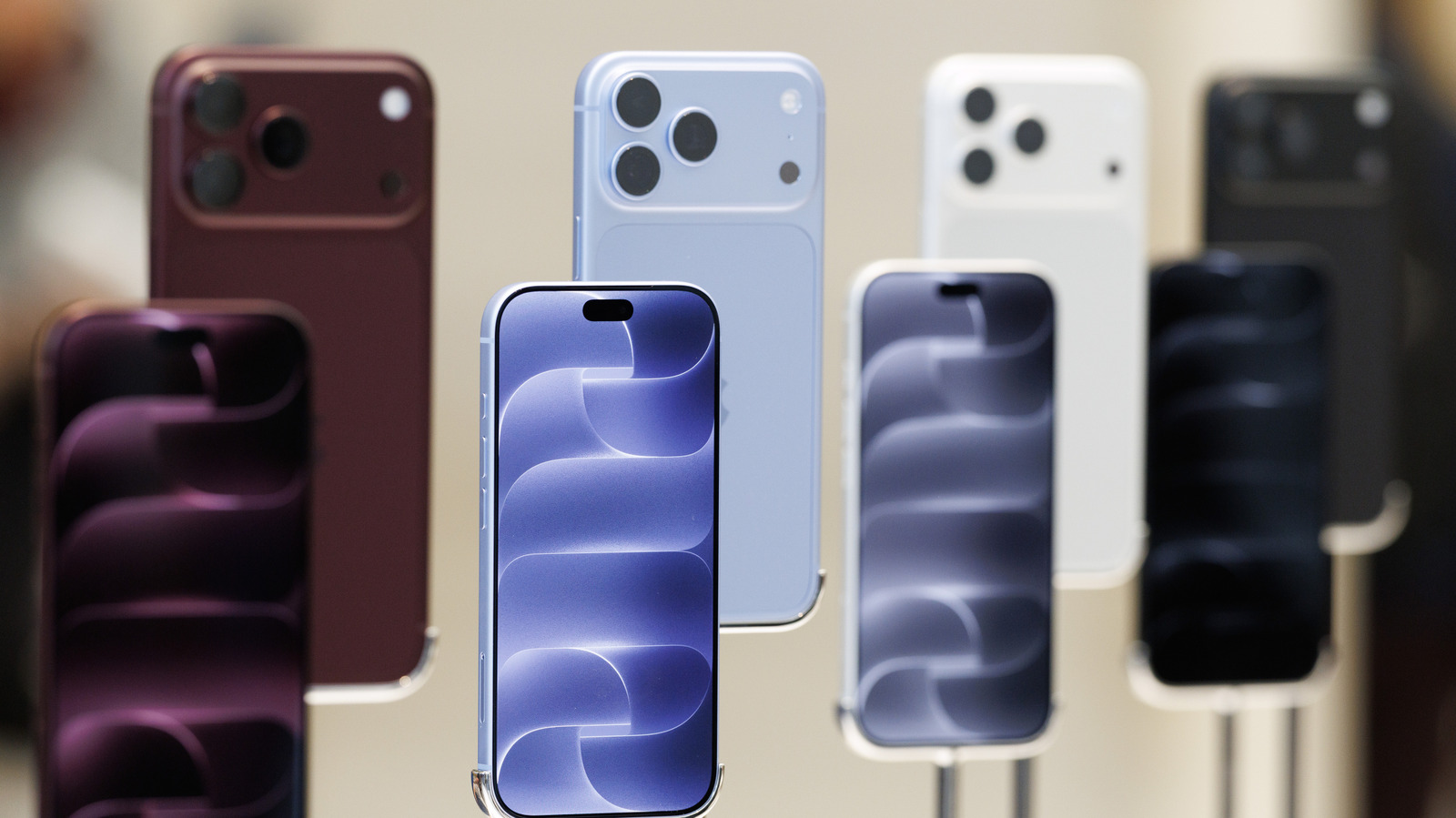
Three recent stories make the case in different registers. Wired reports on Chromagraph Camera, a $13 iPhone app from the Hollywood colorist who shot Knives Out, which processes iPhone photos with the same color math that cinematographer Steve Yedlin uses for film. Engadget, meanwhile, published a how-to on turning on the flashlight on an Android phone without unlocking it, covering Samsung Galaxy and Google Pixel devices. And Engadget also asked which Android phone is the closest counterpart to the iPhone 18 Pro Max, concluding that the Apple handset is a brilliant phone but that not everyone wants to live in Apple's walled garden. None of these is a hardware launch. Each is about the layer above the hardware.
Software as the new spec sheet
Chromagraph is the cleanest illustration. A phone that already takes technically competent photos can be sold again, for $13, by changing how it computes color. The app is not a lens, a sensor or a chip; it is a set of decisions about how images should look, borrowed from film-making practice and packaged for a phone. That is a meaningful shift in where value sits. When camera quality was chiefly a hardware contest, buyers compared sensor sizes and megapixel counts. When a $13 download can meaningfully change the look of photos from a device already in someone's pocket, the comparison becomes about taste and software craft. The app's existence also shows that a single developer, not a large manufacturer, can occupy a distinctive position in the iPhone's imaging story.
The catch is that this kind of differentiation is narrow. An app that alters color processing appeals to people who care about color processing. It does not sell phones. But it does change the conversation around a phone's camera, and it gives Apple's hardware a stage on which third parties can perform. For US consumers, the practical result is that the iPhone's camera is increasingly defined by what software runs on it, which is good for buyers who want choice and awkward for manufacturers who want the camera to be a reason to upgrade the hardware.
The unglamorous work of making a phone usable
The Engadget flashlight guide is a reminder that much of the real competition is about friction. Turning on a flashlight without unlocking a phone is a small thing, but it is the kind of small thing that shapes daily impressions of a device. Samsung and Google have both built shortcuts into their software, and Engadget's willingness to explain them shows that users do not always know what their phones can do. That gap is itself a competitive fact. A phone that hides useful features behind unfamiliar gestures is, in practice, a phone with fewer features for the person holding it.
This is where the software layer cuts both ways. It can differentiate a device, but only if the difference is discoverable. The how-to genre exists because manufacturers ship capability faster than users learn it. For US technology companies, that suggests the return on a software feature depends as much on communication and interface design as on the engineering itself. A shortcut that no one finds is not a competitive advantage; it is a line item.