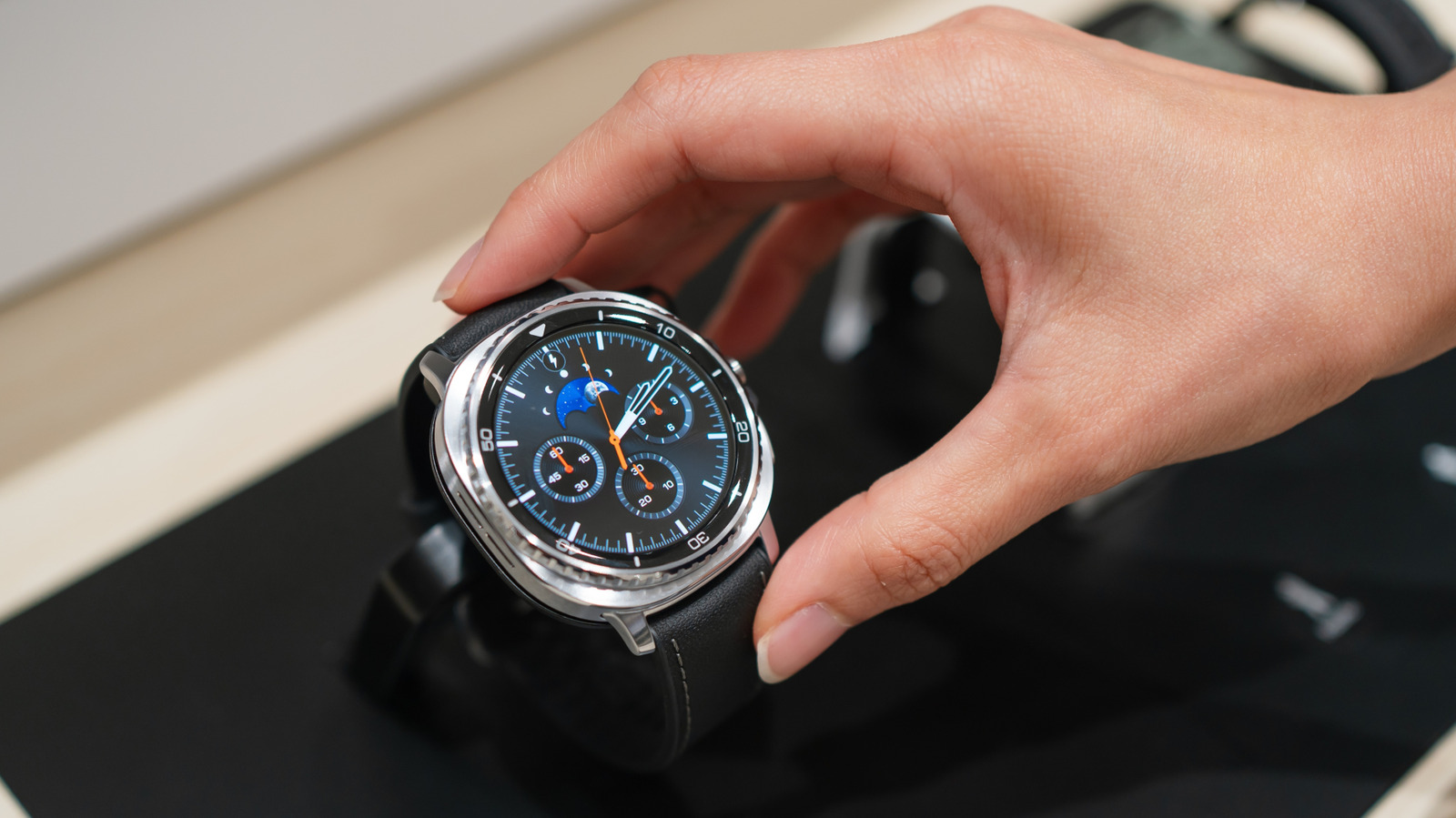
Three stories logged on this beat recently look unrelated: which Samsung watches get One UI 9 Watch, how to coax better audio out of an Android phone, and why AirPods disconnect on their own. They share one thread. Wearable software has become complicated enough that the device's own settings, update policies and background behaviors now determine whether the product works, and the burden of managing that complexity has quietly shifted to the wearer.
The update line is now a product line
Engadget reports that Samsung has released One UI 9 Watch and that most of its watch lineup will get the update, except for some models. That is not a footnote to the launch; it is the launch's most consequential detail for anyone who already owns a Galaxy Watch. A wearable is bought as a finished object, but it behaves like a subscription to the manufacturer's software roadmap. When the roadmap ends, the hardware does not change. The features simply stop arriving.
The comparison with the phone market is instructive, and it is where US consumers have learned to read these announcements. Phone buyers have spent years being trained to check update commitments before purchase. Watches have not yet earned that scrutiny, partly because they are cheaper and partly because they are bought as accessories. But an accessory that runs an operating system has the same lifecycle problem as the device it pairs with, and Samsung's split lineup makes that visible. The question a US buyer now has to ask is not whether a Galaxy Watch is good, but how long it will remain current.
For Samsung, this is a portfolio decision with a marketing cost. The company sells watches across a range of prices, and holding older or lower-tier models back is a common way to protect the appeal of newer ones. The trouble is that the message lands on a beat where loyalty is fragile. A watch that stops receiving the wearable OS is a watch that stops being recommended to friends and family, and wearable word of mouth is unusually dependent on the owner's own wrist.
Audio quality is a settings project
Engadget's guide to improving audio quality on Android phones with Bluetooth or wired headphones makes a related admission: maximizing the listening experience on Android can get very complicated, and the answer lies in settings and headphone choices. Read that against the wearable beat and it is not really a phone story. Earbuds and headphones are the wearables most Americans own in the largest numbers, and the quality of what they hear is now decided less by the driver inside the bud than by a stack of options buried in the phone.
That complexity is a design choice, not a law of nature. Bluetooth audio involves codecs, connection modes and per-device preferences, and Android exposes more of those choices than many users want to see. The result is a product category where the default experience is mediocre and the good experience requires research. A buyer who does not know which settings to change concludes that the headphones are poor, when the hardware may be entirely capable.
This is the same pattern as the watch update, viewed from the other end of the lifecycle. A wearable ships with capabilities that are not fully realized until the owner intervenes. The device is not broken; it is unfinished in the hands of the person who bought it. For US consumers, that means the real cost of a pair of earbuds includes the time spent learning the settings menu, and the real cost of a watch includes tracking whether it is still on the update list.
Disconnections are features behaving badly
Engadget's explanation of why AirPods keep disconnecting without warning adds the third piece. The report attributes the dropouts to handy features of the AirPods that can be overzealous, leading to disconnections and unwanted device swapping. The important word is "features." These are not failures in the ordinary sense. They are automation doing what it was designed to do, in conditions the designer did not fully anticipate.
That distinction matters for how US consumers should think about the category. A wearable that swaps between devices automatically is solving a real problem, because people now carry a phone, a laptop and sometimes a tablet, and expect audio to follow them. The same intelligence that makes the handoff seamless makes the misfire possible. When the automation guesses wrong, the user experiences it as a defect, and the fix is another visit to another settings screen.