The three stories on this desk share no product category and no vendor, but they describe one pattern. Hardware progress in 2026 is increasingly gated not by the headline component but by the unglamorous scaffolding around it: simulation stacks for new silicon, spare capacity sitting in old consumer machines, and the I/O and firmware choices that determine whether a cheap board is actually good. The interesting question is no longer who ships the fastest part; it is who does the least visible work well enough for the visible work to matter to US buyers.
New Silicon Sells a Stack, Not a Chip
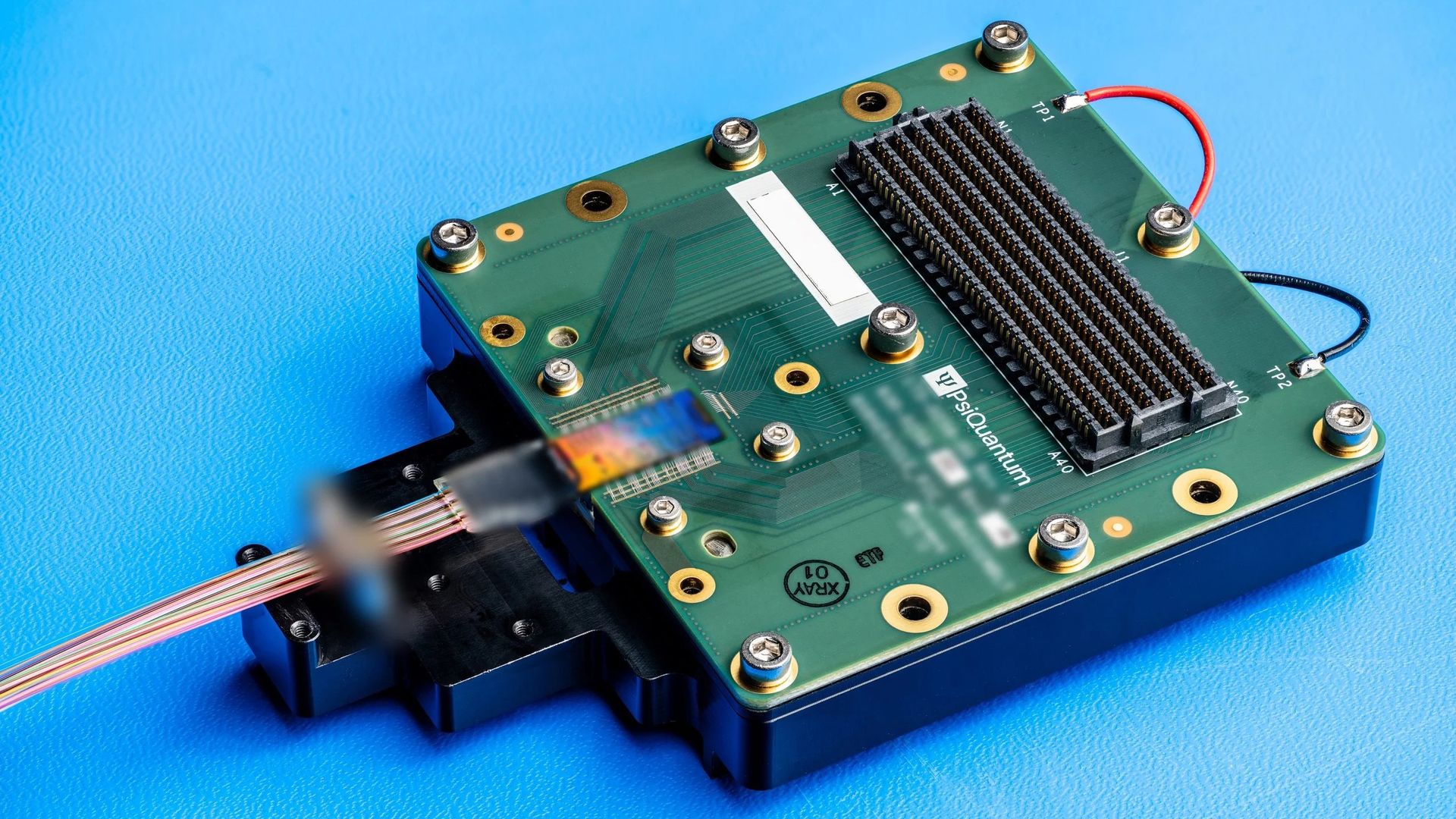
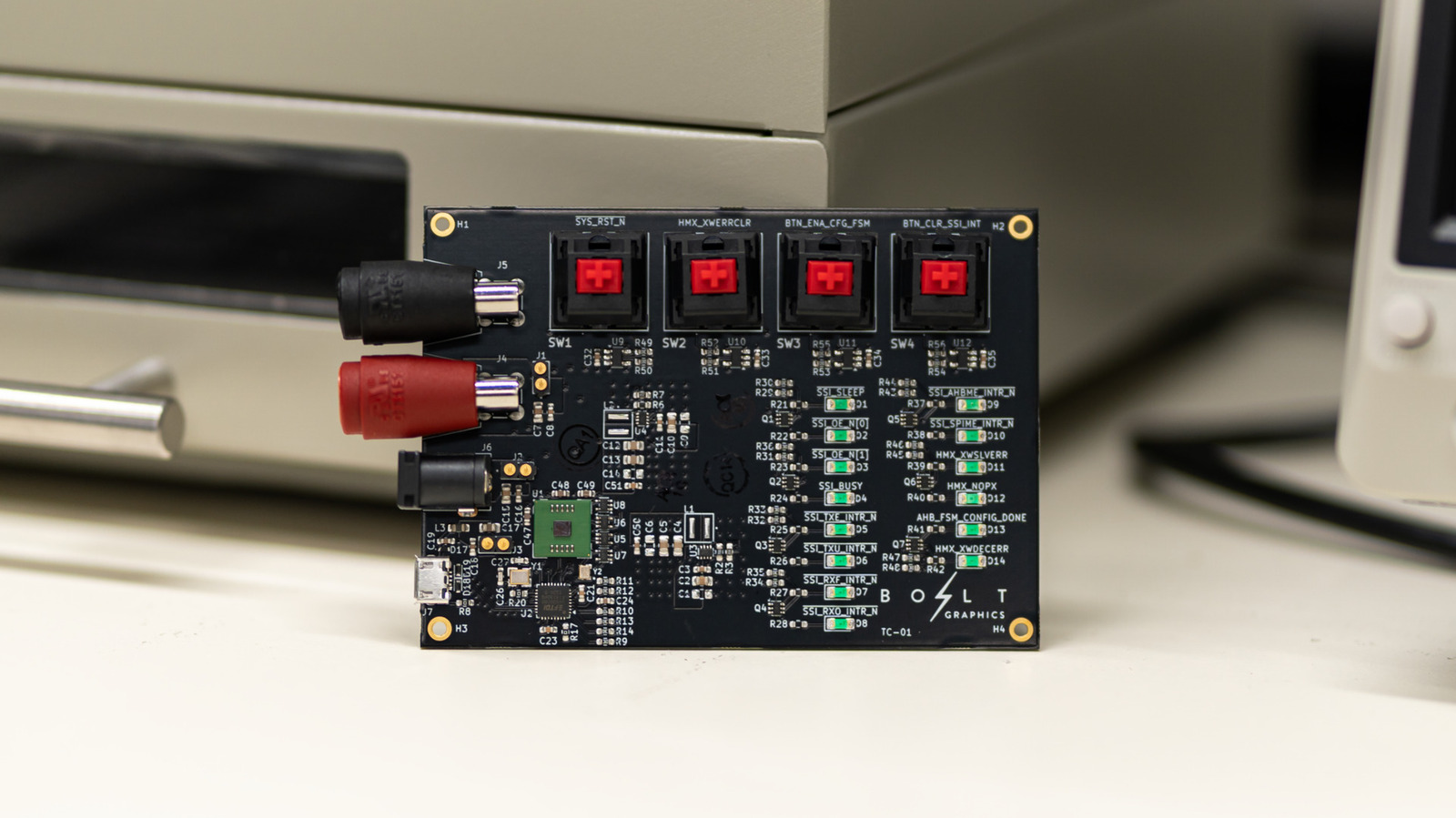
Bolt Graphics has powered on its first Zeus GPU, a milestone Engadget reports as a successful test run after a long development effort on a simulation-centric design. That single fact is thin on specifications and thick on implication. A company building a GPU around simulation is not really selling a component that slots into a standard consumer build; it is selling an expectation that workloads will be written or ported to run on it. Until that happens, a working test run is a proof of intention, not a product.
For US technology companies weighing alternatives to established GPU suppliers, this is the recurring lesson of the past few years restated in miniature. The chip is the easy part to announce. The compilers, libraries, and customer code that make it useful are the hard part, and they take longer than any test run. Zeus belongs in the category of efforts whose significance will be decided by whether software partners show up, not by whether the silicon switches on. Engadget's framing, simulation-centric, is the whole argument compressed: a narrow, defensible workload niche is the realistic entry point for a challenger, because a general-purpose pitch would require a software ecosystem nobody has built yet.
The Installed Base Is the Other Supply Chain
Engadget's second story is about using an old PC to build a home server and the money it saves. It reads as a lifestyle tip, but it is the same pattern seen from the demand side. The most accessible new computing capacity in the US market is not on a purchase order. It is hardware people already own and no longer use for its original purpose.
That matters because it reframes where value accrues. A home server built from an old PC shifts spending away from new hardware and toward software, configuration, and the occasional replacement part. The savings Engadget describes come through more than one avenue, which is exactly what makes the category durable: the economics do not depend on a single price falling. For US consumers, this is a hedge against the cost of new equipment. For US vendors, it is a quiet competitor. Every workload that migrates onto a repurposed machine is a workload that does not need a new box, and the companies that benefit most are those selling storage, networking, and software rather than complete systems.
There is a limit worth stating plainly. Repurposed consumer hardware is not a substitute for a data center, and nothing in Engadget's story claims otherwise. The point is narrower and more useful: a meaningful slice of ordinary computing demand can be met without new silicon, and the size of that slice depends on how much friction the software layer imposes.
The Dull Specs Are the Real Verdict
Tom's Hardware's review of the ASRock B860 Challenger Wifi is the third face of the same pattern. The board covers the basics, performs well, and sits at a lower price, yet the verdict is held back by slower USB ports, weaker VRMs, and a dated BIOS. None of those are the kind of specification that sells a motherboard in a headline. All of them are the kind that determine whether an entry-level ATX board is a good purchase three years after it is installed.
This is where the pattern becomes most legible for US buyers. The enthusiast market has spent years optimizing for the parts that appear in bold on a spec sheet. Tom's Hardware's review shows the correction: at the entry level, the differentiators are I/O provisioning, power delivery headroom, and firmware quality, and a dated BIOS is not a cosmetic complaint. It is the interface through which the owner will manage the board for its entire service life. A cheap board with weak VRMs is not cheap if it limits which processors can be installed later.