The chip industry's defining divide is no longer between companies that make good chips and companies that make bad ones. It is between companies whose fortunes can be moved by a single end market and companies whose products are embedded in larger systems that spread the risk around. Three recent developments on this beat - Intel's one-day rout, Nvidia's reported willingness to cosign a data center loan, and a leadership discussion about the chip race becoming a systems race - all describe the same structural shift, seen from different angles.
Intel shows the cost of a narrow base
Intel's gloomy outlook for its PC business wiped out $1 trillion of semiconductor market capitalization in a single day, as Tom's Hardware reported. That figure is the headline, but the detail that matters is who was spared: Apple was barely affected. The mechanism is straightforward. When a company's revenue is concentrated in one end market, a warning about that market travels straight to the stock and then outward to anything perceived as similarly exposed. When a company's silicon sits inside a broader stack of products, services and supply arrangements, the same warning lands with less force.
The lesson for US technology companies is not that PCs are in trouble or that Intel is uniquely fragile. It is that the market now prices chipmakers by the breadth of their exposure, not just their manufacturing prowess. A trillion dollars of value came off the board because investors re-rated a whole category on the signal from one company. That is a systems-level reaction to what was nominally a single-company disclosure, and it reinforces why the shape of a chipmaker's business is now as important as its process node.
Nvidia and the cosigner question
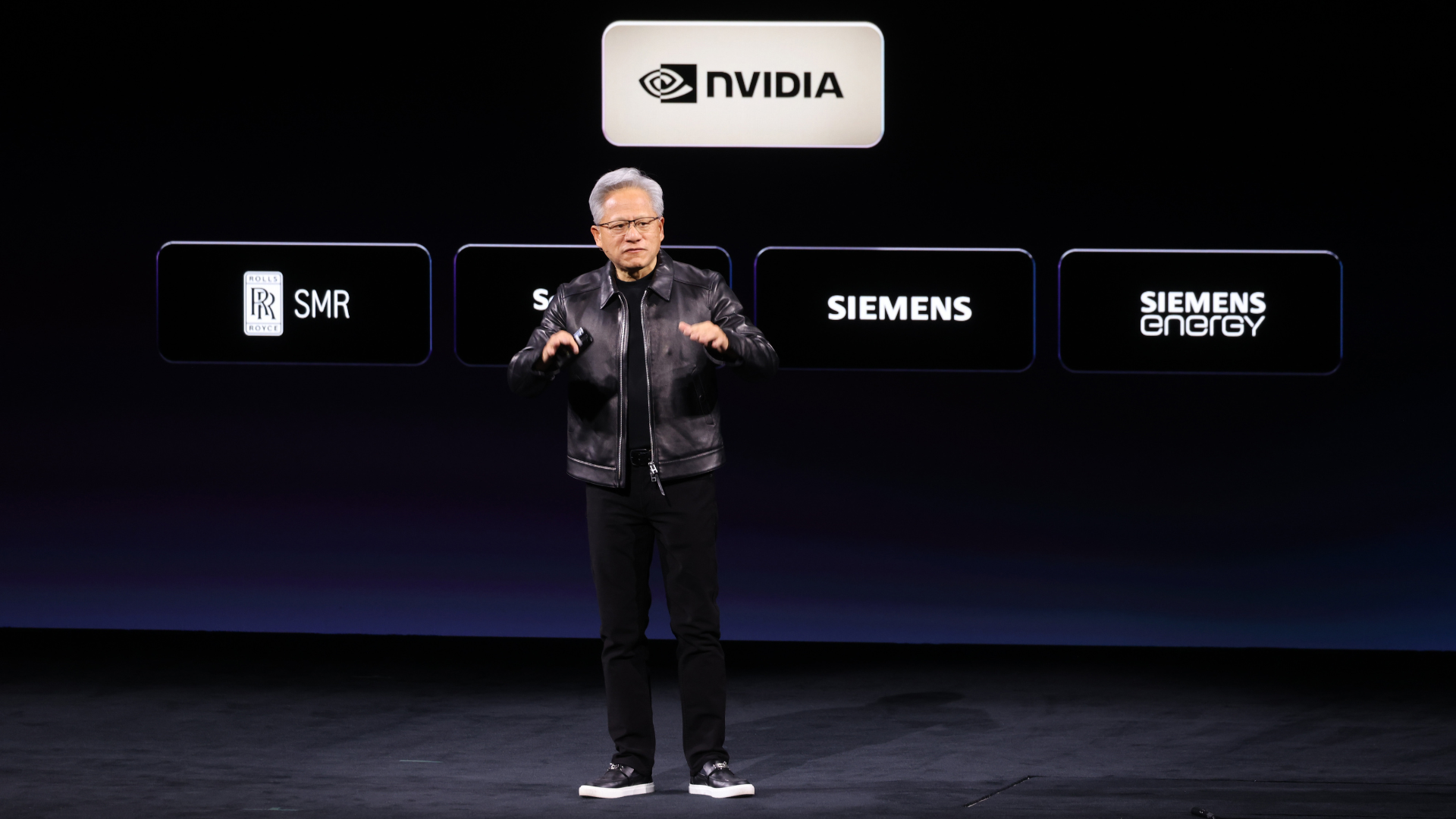
Nvidia's reported willingness to consider playing cosigner for Nscale's AI data center in West Virginia, as TechCrunch reported, reads at first like a financing story. It is more usefully read as a risk-placement story. When investors get nervous about AI spending, the chipmaker that sells the chips has an incentive to make the spending look safer, and offering to cosign a loan is one way to do that.
The underlying logic is that chip demand no longer stops at the loading dock. If the data centers that consume the chips cannot get financed, the chips do not get ordered. The supplier's exposure therefore extends past the sale and into the balance sheet of the buyer. That is a meaningful change in what it means to be a semiconductor company in the AI era, and it carries its own risks: a company that helps underwrite its customers' projects takes on a contingent liability that does not appear in a traditional chip-order book. It also raises a question US investors will eventually have to price - how much of the AI spending boom is being sustained by the confidence of the suppliers selling into it.
From chips to systems, as a competitive fact
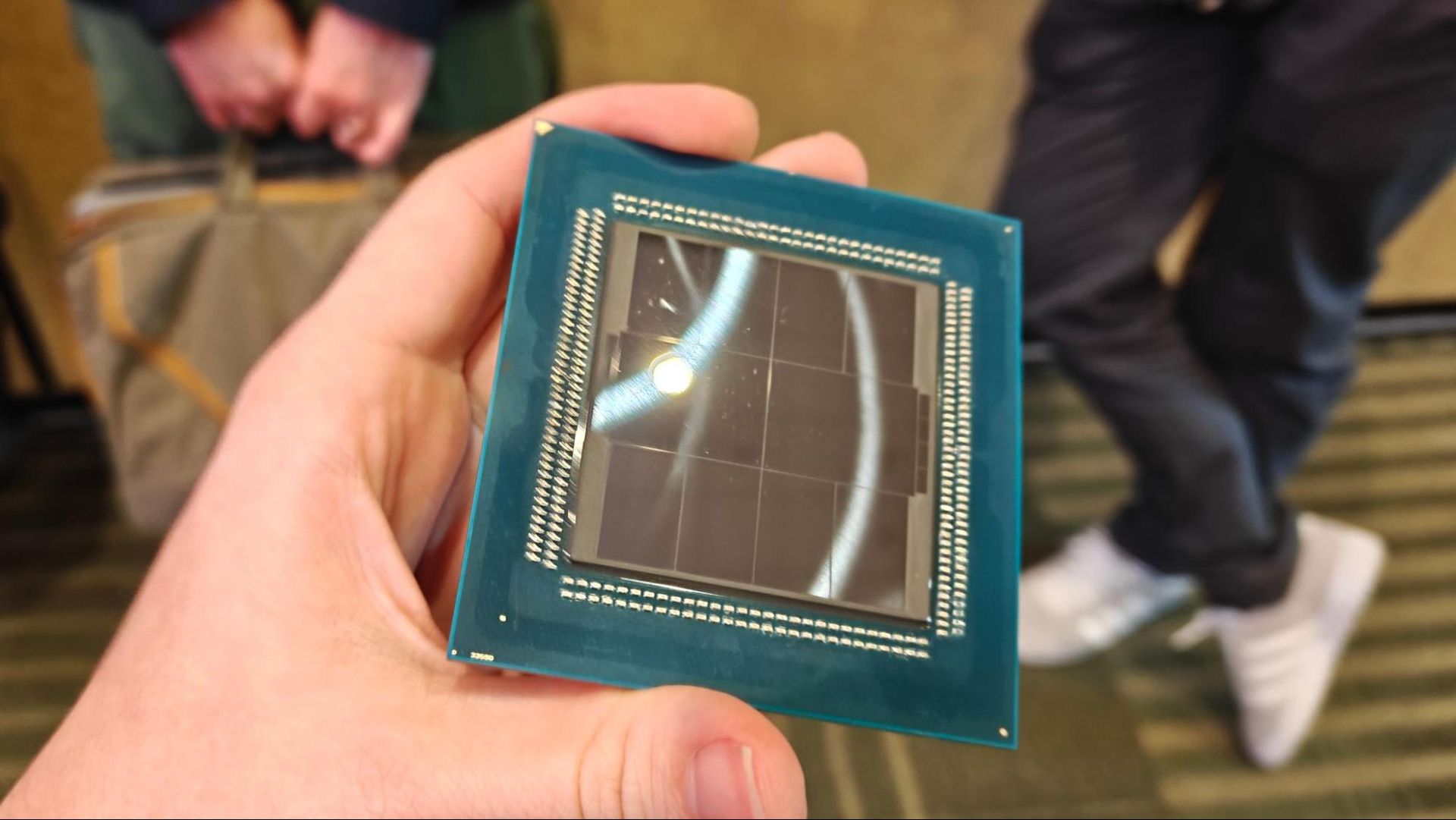
A discussion hosted by the GSA Women's Leadership Initiative, reported by SiliconANGLE, framed the same shift directly: the chip race is becoming a systems race. For decades the industry competed on the individual chip. The trend now is toward treating chips as components of much larger systems, with performance, cost and reliability determined across the package, the rack and the supply chain rather than inside a single device.
That framing explains the other two stories. Intel's concentration in one end market is a systems weakness, because a product that lives inside a narrow set of systems inherits the volatility of those systems. Nvidia's reported cosigning offer is a systems move, because it reaches across the rack and into the financing that makes the rack exist. Both are consistent with the GSA discussion's core claim: advantage accrues to whichever company can control or coordinate more of the chain around the chip.