The processor market is being reorganized around scarcity rather than performance. Intel is moving manufacturing capacity away from consumer chips toward server CPUs, AMD is weighing a return to an older gaming part, and even hobbyist hardware is turning to legacy Intel silicon to get things done. The common thread is that the supply of processors, and the memory that surrounds them, has become the binding constraint, and the companies that design and sell CPUs are now making decisions around availability rather than around the usual cadence of newer, faster products.
Capacity Follows the AI Money
The clearest expression of the shift comes from Intel, which as Tom's Hardware reported is shifting production capacity from consumer CPUs to server CPUs in the face of what the company calls "unprecedented" AI demand. Intel is describing the situation as "one of the most significant supply shortages in history." That framing matters because it treats the shortage as structural rather than as a temporary hiccup in a single product line.
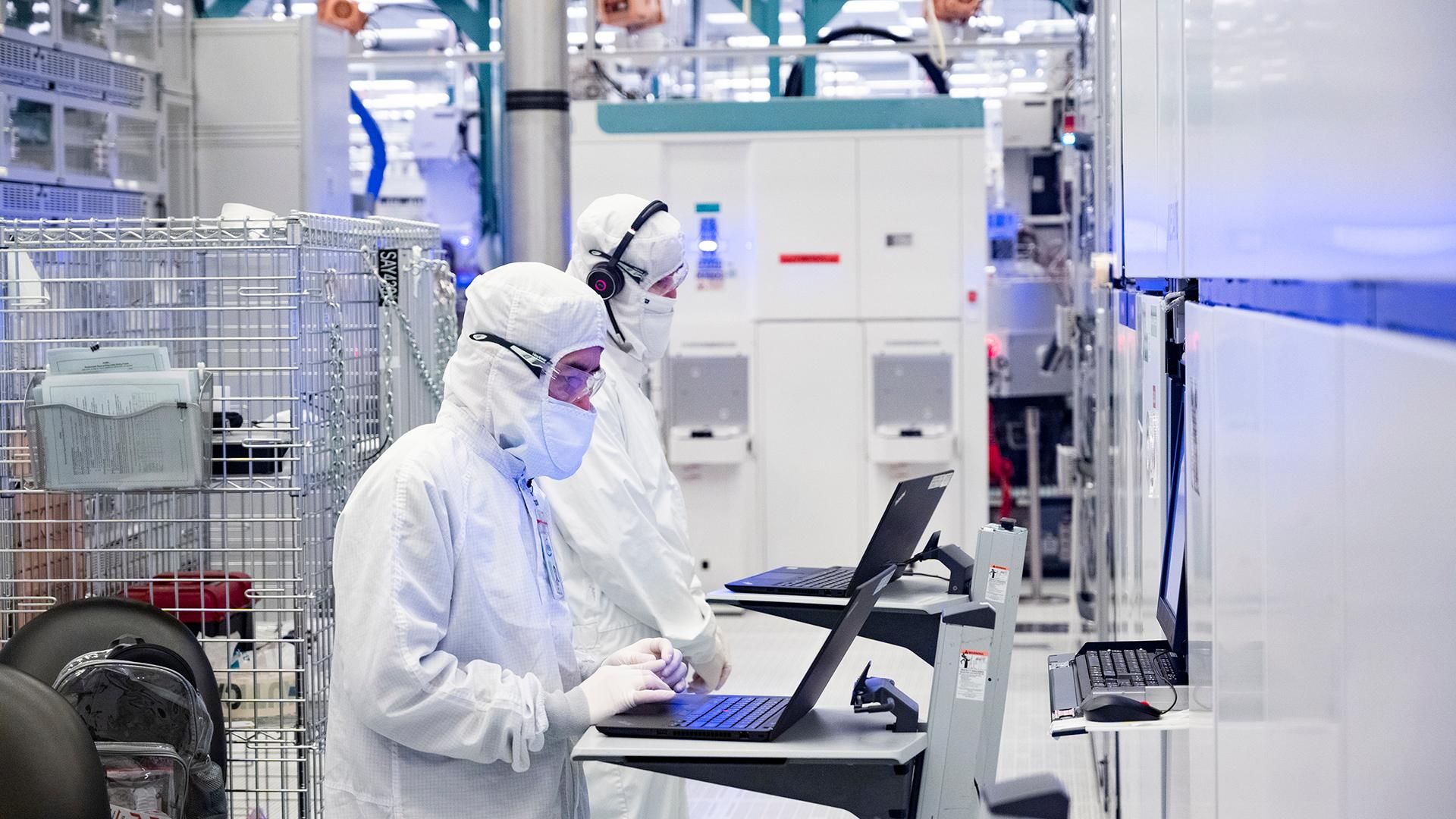
The company is not standing still. It is expanding chipmaking and advanced packaging capacity across the U.S., Ireland, and Malaysia. But expansion takes time, and in the interim the allocation decision is the lever Intel has. Moving wafers and packaging slots toward data center CPUs is a rational response to surging AI-driven demand, particularly when the PC market is shrinking. The consumer PC buyer is, in effect, competing for capacity with the data center buyer, and the data center buyer is winning.
For U.S. technology companies, this reinforces a pattern that has been building in the processor business: the most valuable customer is no longer the one buying chips by the millions for laptops and desktops, but the one buying them by the rack for AI workloads. Intel's willingness to say so explicitly, and to redirect capacity accordingly, signals that the company sees server CPUs as the priority through the current shortage. For U.S. consumers, the practical consequence is that the newest consumer processors may be harder to find, or slower to arrive, while the company's manufacturing footprint grows elsewhere. Advanced packaging, in particular, is a bottleneck that affects how quickly any chip reaches a customer, so Intel's investment in it across three countries is a bet on future capacity rather than a fix for the current quarter.
AMD Looks Backward to Move Forward
AMD's situation is different in detail but similar in logic. As Tom's Hardware reported, CEO Lisa Su proposed bringing back the Ryzen 7 5800X3D, and the plan was set in motion before DDR5 shortages. AMD Director Travis Kirsch confirmed the rationale for relaunching the first X3D chip and explained why the company no longer offers many Ryzen 3 SKUs.
The revival of a chip that belongs to an earlier platform generation is not nostalgia. It is a response to the cost and availability of the surrounding components. A processor is only useful if the memory and motherboard it needs are available at a sane price, and DDR5 shortages change the calculus for budget and mid-range builds. A part that pairs with older, more plentiful memory becomes more attractive when the newer memory standard is scarce. AMD's move suggests that the company sees value in serving buyers who are priced out of the newest platform, and that it is willing to reach back into its product history to do so.
The comment about Ryzen 3 SKUs points in the same direction. Fewer entry-level options means fewer cheap paths into a current platform, which makes a revived older part a more important on-ramp. For U.S. consumers building or upgrading a PC, the message is that the processor decision is increasingly entangled with the memory decision. For U.S. technology companies, AMD's approach is a reminder that product roadmaps are not purely technical documents; they respond to what is scarce in the supply chain.
The Shortage Is the Story
Taken together, the Intel and AMD stories describe a market in which supply constraints have become the organizing principle. Intel is prioritizing server CPUs because AI demand is surging and PC demand is shrinking. AMD is considering an older gaming chip because DDR5 shortages make the newest platform less accessible. Neither company is abandoning performance leadership, but both are making allocation choices that would have looked strange in a market where capacity was abundant.