The three stories logged on this beat share a single thread: the premium laptop purchase is being re-priced around demonstrated value rather than assumed upgrade. Apple has finally shipped a touchscreen MacBook Pro while its small desktop makes a stronger performance-and-value case, and on the software side Anthropic is building tools to show whether a costly AI subscription earns its keep. Taken together, they show a US PC market where the burden of proof has moved to the buyer's side of the table, and the fight is over what a machine demonstrably does rather than what it is called.
The Touchscreen Arrives, Quietly
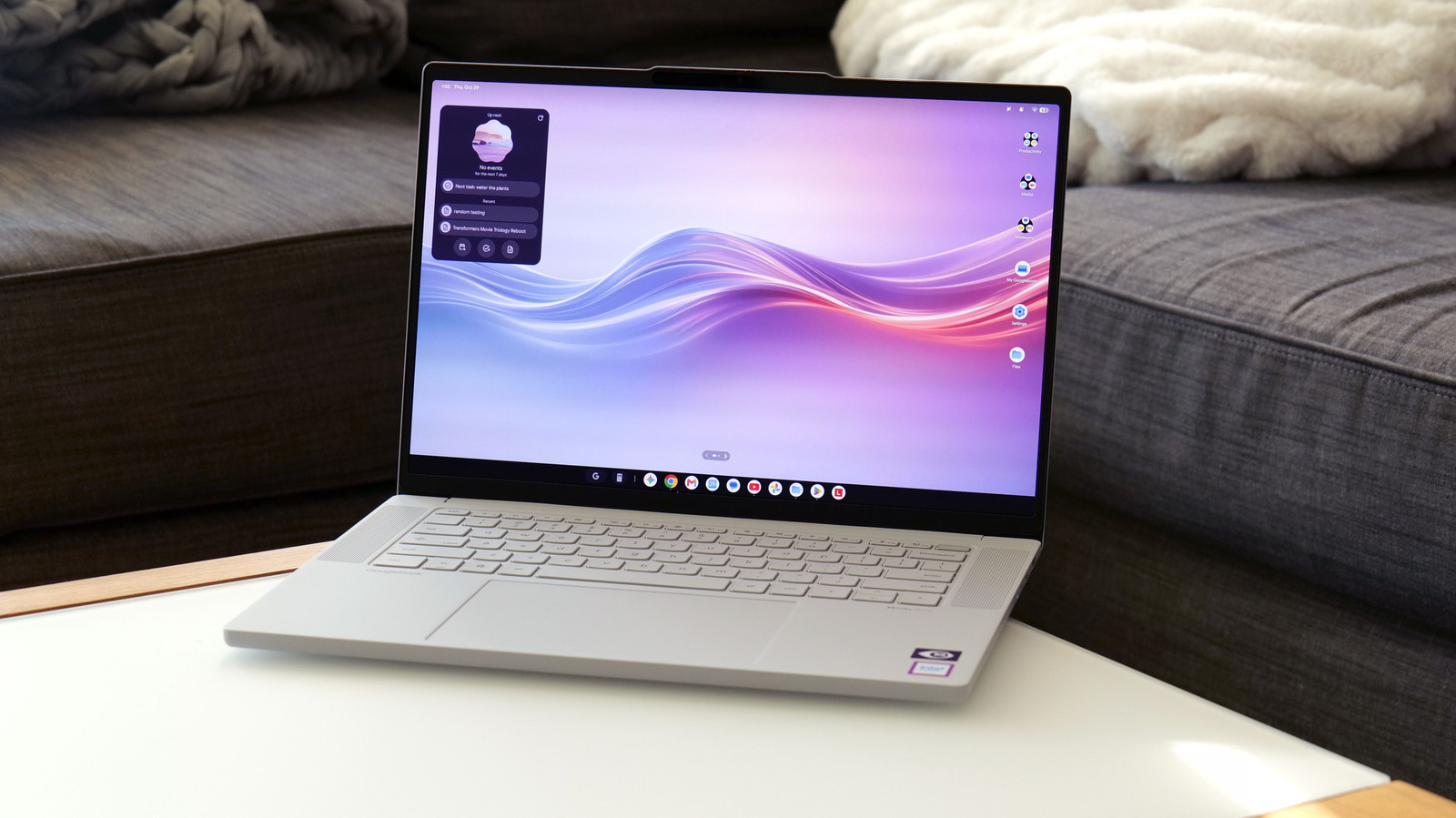
As The Verge reported, Apple's long-awaited touchscreen MacBook Pro is finally here, and the publication's reviewer came away struck by how normal it is. The machine carries the PROLED XDR Display and, by The Verge's account, one of the nicest screens seen on a laptop. The detail that matters for the beat is the framing: the touchscreen is not a new category of device, it is a MacBook Pro that happens to accept a finger.
That is a significant admission for a company whose last two CEOs, per The Verge, said this product should not exist. Apple has not redefined the laptop. It has added an input method to a premium line and left the rest of the formula intact. For US buyers, the practical question is unchanged: what does the added capability cost, and what does it let them do that a trackpad and keyboard did not? The Verge's piece does not answer that with a number, and that absence is itself the story. A flagship feature arriving without a loud justification suggests Apple expects the brand and the display to carry the sale.
The Small Desktop Makes the Sharper Case
Engadget's argument that buying a Mac mini over a MacBook may be the smarter move is the counterweight. The outlet frames Apple's smallest desktop as delivering better performance and value for those willing to leave the laptop behind, and the qualifier is doing real work. The trade is portability for capability at a given level of spend.
This is where the two Apple stories converge. If a touchscreen is an incremental addition to a laptop that was already good, the Mac mini is the product where the money goes further for buyers who do not need to work from a coffee shop. US consumers who have spent years treating the laptop as the default personal computer now have a concrete reason to split the decision: a desktop at the desk, and whatever portable device covers the rest. That is not a new idea, but it is a harder one to dismiss when the laptop's headline change is an input method rather than a leap in what the machine can do.
Price Sensitivity Is Reshaping the Lineup
Neither The Verge nor Engadget frames its piece as a story about the American buyer's budget, but the pattern does. A touchscreen MacBook Pro invites a premium, and a Mac mini recommendation is fundamentally a value argument. When both appear in the same news cycle, the message to US shoppers is that Apple's lineup now spans a wider spread of justifications, from the display-obsessed to the spreadsheet-minded.
For US technology companies that compete with Apple, this cuts both ways. The touchscreen closes a gap that Windows hardware has long claimed, which weakens a differentiator that PC makers have leaned on. At the same time, the Mac mini's value case puts pressure on the midrange of the Windows desktop market, where margins are already thin. The competitive ground is shifting from feature checklists to total cost of ownership, and that favors whoever can explain the math most clearly.