The laptop market's most interesting story in late 2026 is not about faster silicon. It is about who gets to decide how a machine performs. Three recent items on this beat - a budget gaming laptop recommendation, a fifteen-year battery comparison, and an open-source tool that lifts an Nvidia performance cap under Windows - all describe the same pattern: the meaningful differences between laptops are increasingly software locks and firmware settings rather than the hardware inside them.
A Recommendation That Says More About the Market Than the Product
Wired's case for the Lenovo LOQ 15 as the only gaming laptop worth buying below $1,500 is framed as a bargain, and it is one. But the reasoning matters more than the verdict. Wired says the LOQ 15 offers better performance and a better display than its competitors - not that it offers more than gaming laptops have offered before. The praise is relative. With prices escalating across the category, the machine that wins is the one that has not escalated as fast.
That is a statement about the shape of the US gaming laptop market rather than about Lenovo's engineering. When the recommendation at a given price collapses to a single model, buyers are no longer choosing between capabilities. They are choosing how much of the bill goes to margin, branding and bundled software. The LOQ 15 wins that contest, per Wired, by giving more of the money back as performance and screen quality.
Battery Life Has Not Followed Performance
Engadget's comparison of MacBook Pro battery life in 2011 and 2026 asks a question that most upgrade coverage avoids. Apple's 2026 MacBook Pro is, in Engadget's framing, light-years ahead of the 2011 model in performance. The open question is whether longer battery life is among those improvements.
The implicit answer is that it is not obviously so. Performance advanced dramatically over fifteen years; battery endurance is being examined rather than assumed. For US consumers this reframes the upgrade decision. The laptop on a desk or in a bag is no longer limited primarily by compute for most mainstream work. It is limited by how long it runs away from an outlet, and by how much of its capability the manufacturer permits at any given moment.
An Open-Source Tool Redraws the Ceiling
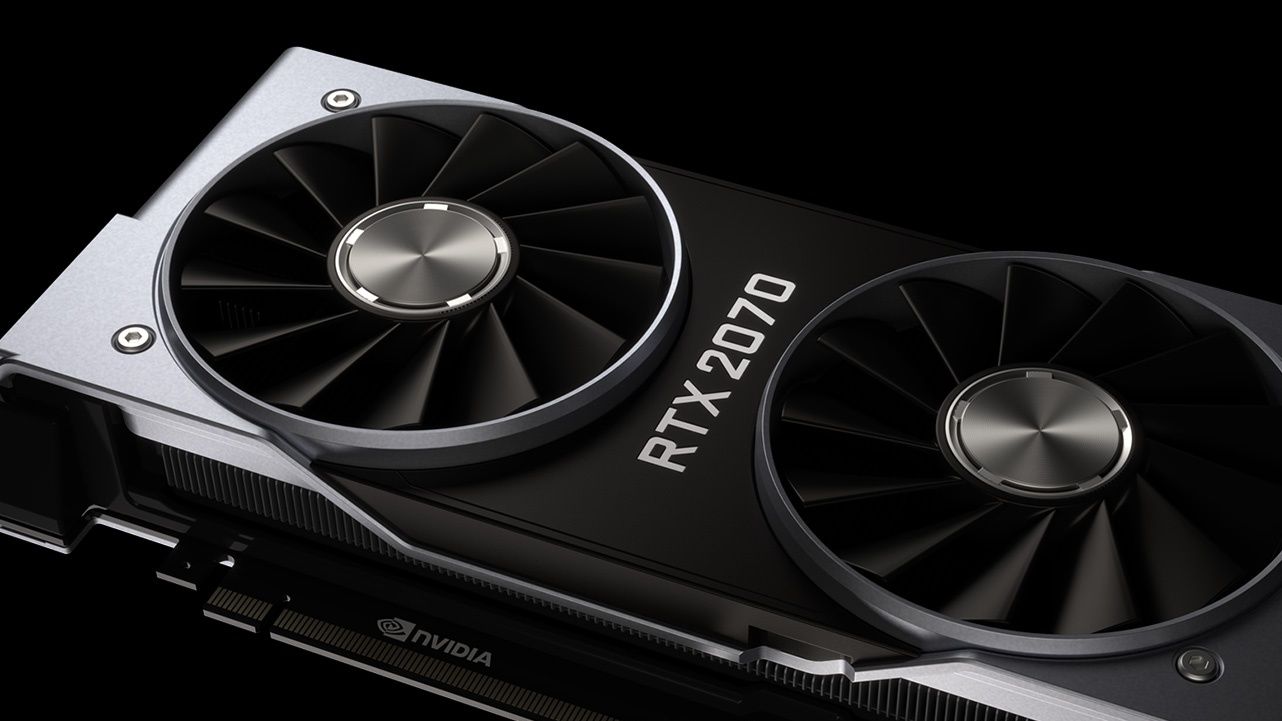
Tom's Hardware's report on nv-uefi-unlocker is the sharpest version of this thread. The open-source UEFI tool lifts Nvidia's tensor rate cap on RTX 20, 30 and 40-series GPUs under Windows, raising FP16 math performance by up to 65% according to the outlet. The tool covers desktops and laptops.
The wording matters. Nvidia did not ship those GPUs without the capability. It shipped them with a limiter, and a community project removed it. Whether or not a given owner uses the tool, the existence of the cap changes what "the hardware can do" means. A laptop's specification sheet now describes a permitted configuration, not a physical maximum. Tom's Hardware's report also makes clear the limiter was a Windows-side constraint addressed through UEFI - a firmware and platform decision, not a silicon one.