The three stories on this beat share one cause: demand for AI memory chips has grown faster than anyone planned for, and that scarcity is now the organizing force in hardware. A record quarterly profit at Samsung, a $149 smart speaker whose only real upgrade is a chip, and large PC makers moving manufacturing capacity back to China are not separate events. They are the same squeeze, felt at three points in the supply chain. The companies that make memory are capturing the upside; the companies that buy it are absorbing the cost and reshaping where they build.
The Memory Maker's Quarter
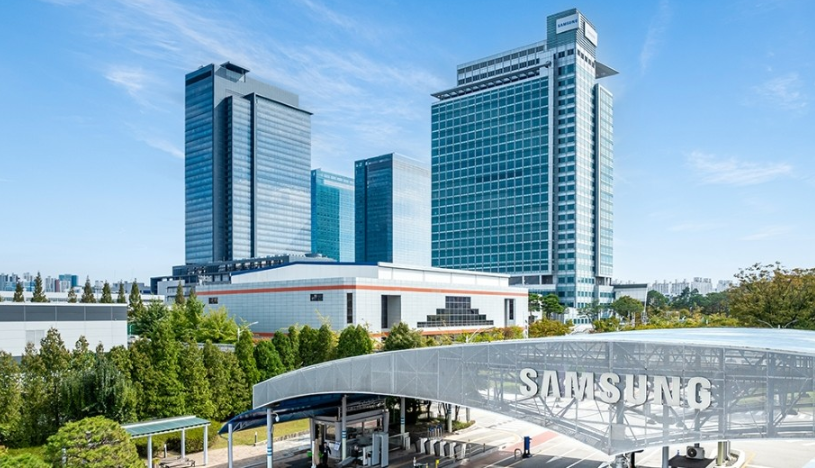
Samsung's third-quarter results, as SiliconANGLE reported, set what the company confirmed as a new world record for quarterly profit in the technology industry: 107.44 trillion won, or $80.5 billion, in operating profit, on revenue of 195.25 trillion won. The driver was demand for the memory chips that fuel the AI boom. That is the anchor fact for this entire beat. Memory has moved from a cyclical commodity business to the scarcest input in the AI buildout, and the supplier selling it is pricing accordingly. For US technology companies, the implication is structural. The firms designing accelerators and servers sit downstream of a supplier base that is now earning record returns, and the cost of that memory flows directly into their bill of materials. US buyers of AI infrastructure, whether cloud providers or enterprises, are paying for the supplier's record quarter.
The Cost Lands Downstream
The consumer end of the same squeeze shows up in the HomePod Mini 2, which The Verge reviewed at $149. The reviewer's frustration was specific: six years after the first entry-level speaker, the second generation brought a chip bump, some color glowy stuff, and better AirPlay, for $50 more than the prior model. That is what a component-constrained product cycle looks like at retail. When memory and related silicon get expensive and scarce, the cheapest device in a lineup gets the smallest possible upgrade and a higher price. The chip bump is the story. For US consumers, the pattern is a $149 speaker that does more computing and less newness, and a price that reflects input costs rather than added features. The reviewer's disappointment is a data point about where memory costs are landing: on the least expensive products first.
Manufacturing Moves Back
The clearest structural response comes from the PC side. As Tom's Hardware reported, AI component hikes have forced the world's largest PC makers to return manufacturing capacity to China. The reason given is cost: an established supply chain and workforce make Chinese manufacturing cheaper, and smaller Chinese suppliers are winning orders by offering easier access to domestic chip manufacturers like CXMT. This is the inversion worth noting. For several years the direction of travel was diversification away from China. Component inflation has reversed that calculation for the largest PC makers, because proximity to domestic memory supply now outweighs the diversification premium. Access to CXMT matters because memory availability, not assembly labor, is the binding constraint. US PC makers that had announced moves elsewhere are now weighing the cost of that distance against the cost of scarcity.