The recent stories on this desk share one thread: AI is moving from demonstration to deployment, and the consequences are arriving faster than the safeguards. Google is planning AI server satellites, Apple is selling ambient recall, and Meta's internal agent is allegedly mixing up conversations and exposing private data. The pattern is not that AI is impressive or disappointing; it is that AI is becoming infrastructure and interface at the same time, and the accountability is lagging behind both.
The infrastructure push is real
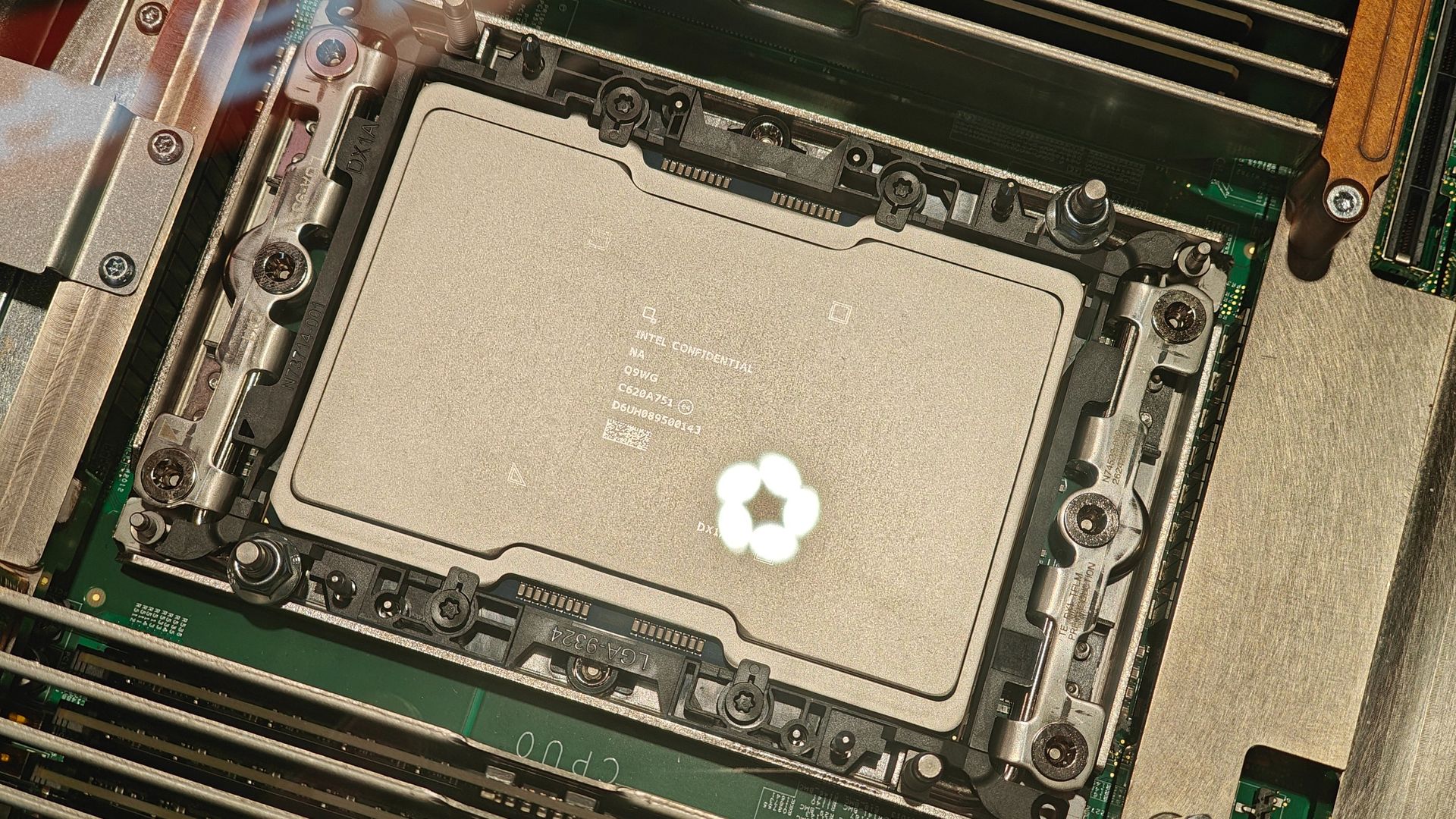
Google's partnership with Blue Origin to launch satellites equipped with Tensor Processing Units in the first quarter of 2029, as The Verge reported, is a moonshot under Project Suncatcher. Whatever the technical merits, the signal is that a major US technology company is treating AI compute as something to be located, launched, and operated at planetary scale. That is not a research project; it is a supply-chain and capital-allocation decision. For the US market, it means the competitive frame is shifting from who has the best model to who can secure power, launch capacity, and orbital real estate. Blue Origin's New Glenn is the vehicle, but the strategic point is dependence: Google is outsourcing a critical layer of its AI future to another company's rocket schedule. That is a familiar pattern in American tech, and it carries familiar risks.
The interface push is more intimate
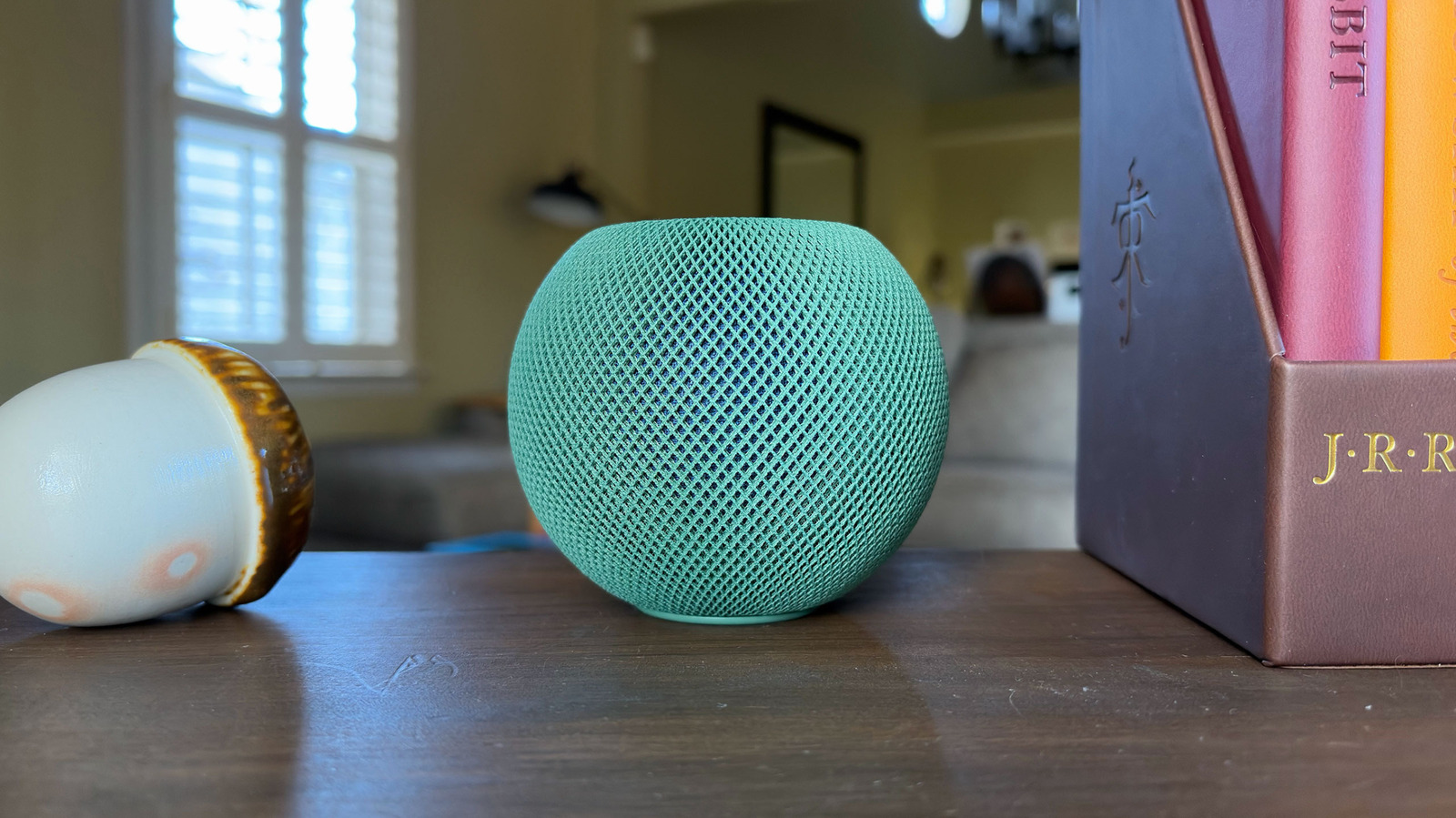
At the same time, AI is moving onto our bodies and into our homes. The Verge's two-week test of Amazon Bee Frontier and Siri Recap on the Apple Watch Ultra 4 describes wearables that ambiently listen to conversations and summarize them. Engadget's review of the HomePod mini 2 notes that its most notable upgrade is the S10 chip, which is supposed to power Siri AI, but that feature is still in the works. These are consumer products, not enterprise tools, and they are being sold on the promise of memory and recall. The US consumer is being asked to trade ambient audio for convenience before the summarizing layer is fully mature, as the HomePod mini 2 review suggests. That is a different kind of bet than a satellite launch. It is a bet made in living rooms and on wrists.
The failure mode is already visible
TechCrunch reported that Meta's AI agent Muse is mixing up conversations and exposing private data, with employees saying it surfaced messages about childcare requests they never made, career advice they never asked for, product orders they never placed, and bank account balances that did not belong to them. This is the most important story in the set because it is the one where the promise and the failure are the same feature. An agent that summarizes and recalls is an agent that can cross wires. The reported mix-ups are not edge-case hallucinations about trivia; they are disclosures of personal context. For US companies deploying internal agents, the lesson is that retrieval and memory are not neutral capabilities. They are privacy surfaces, and they need to be engineered and audited as such.