📣

Advertisement

Google Ad - 970×90 Leaderboard  TOP_LEADERBOARD_4

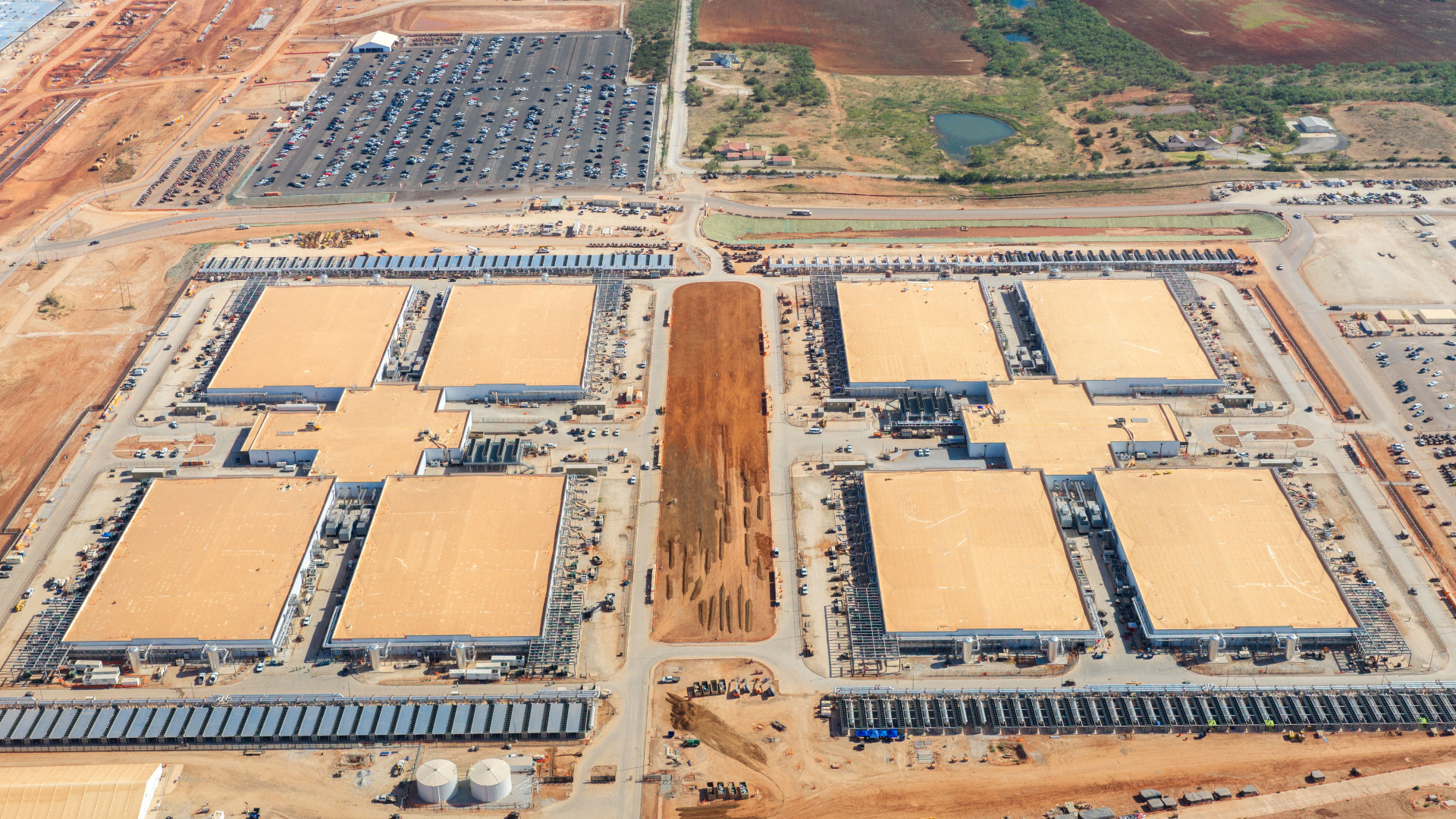
AI Data Center Buildout Splits Into Two Tiers
Article

AI Data Center Buildout Splits Into Two Tiers

The scramble for smaller data centers shows the gigawatt era is stalling, and US AI hardware demand will be met by smaller, slower, contested builds.

SuryaSeptember 22, 20265 min read

Photo: TechCrunch

📣

Advertisement

Google Ad - 970×90 Leaderboard  TOP_LEADERBOARD_4

The AI data center buildout has split into two tiers. The giant projects that define the narrative are bogged down in local fights and construction lag, while the capacity that actually gets bought right now comes from far smaller facilities. For US chipmakers, server vendors, and power-equipment suppliers, the near-term opportunity is moving down in scale and outward in geography, even as the industry's public story stays fixed on gigawatts.

The Gigawatt Plan Is Not Delivering On Schedule

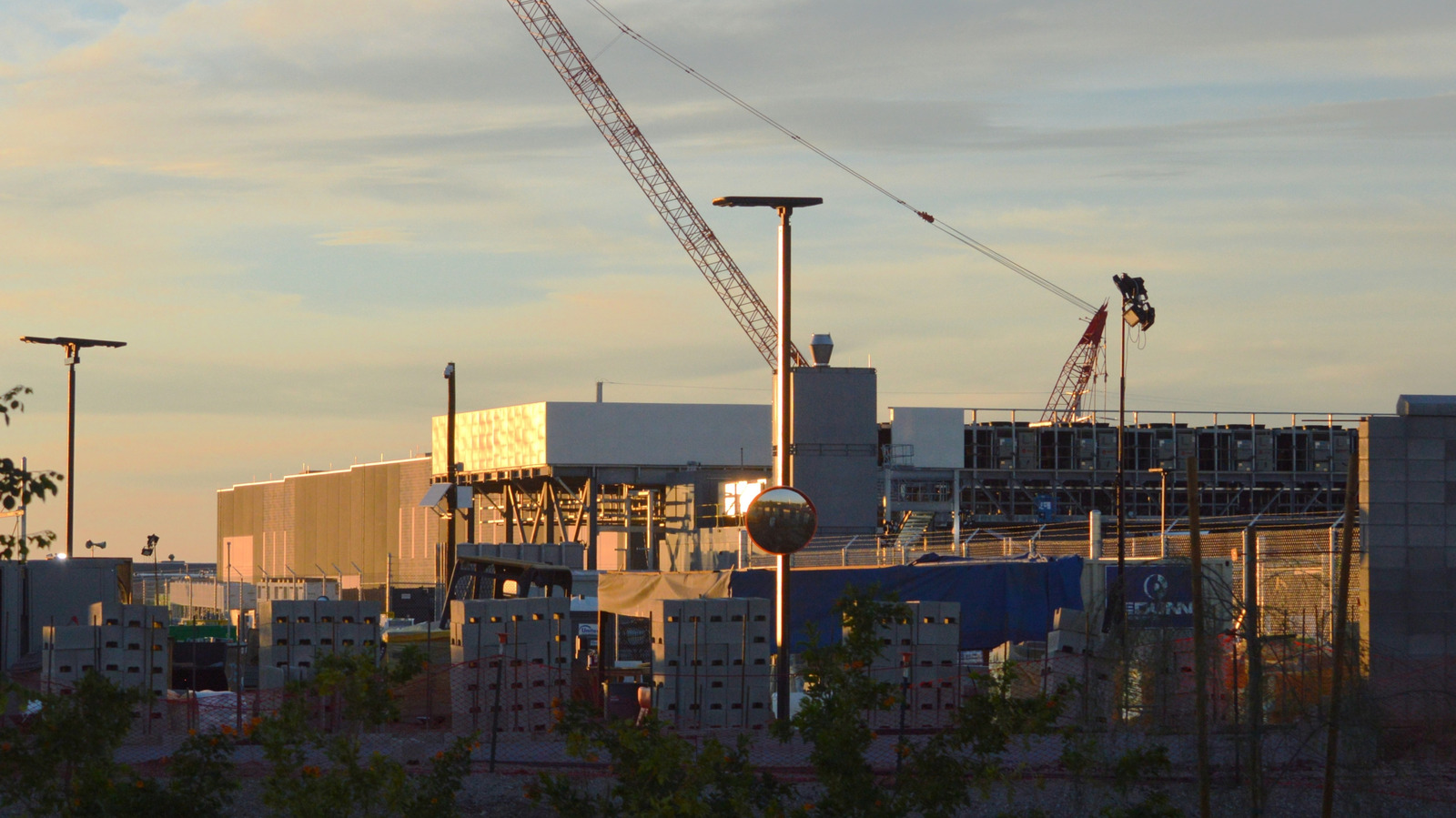
OpenAI and Anthropic are spending billions on massive data center deals, yet they are simultaneously seeking immediate capacity through smaller data center deals, as Tom's Hardware reported. Those smaller facilities run 20 to 30 MW and are meant to provide capacity while mega structures undergo construction, according to the same report. That is the tell. When the two most prominent AI labs are shopping below the size of their flagship commitments, the flagship commitments are not yet producing usable compute at the pace demand requires. The gigawatt project remains the destination. It is no longer the mechanism.

The reason is partly physical and partly political. Construction timelines for very large sites have stretched, and the deals that get signed do not convert to racks and accelerators on the schedule the models need. The labs have responded by buying what is available rather than what is impressive.

Pennsylvania Shows The Political Ceiling

TechCrunch's account of two years of fraught AI data center debates in Pennsylvania is a case study in why the big tier is slow. The piece is built around a simple finding: everyone can find a reason to dislike data center construction. That is not a minor public-relations problem. It is a siting problem. Opposition is not concentrated in one constituency that can be negotiated with, because the objections arrive from different directions and do not share a remedy.

For US technology companies, this means the constraint on AI capacity is not only silicon or capital. It is permission. A project that needs local approval, power interconnection, water arrangements and community tolerance faces multiple veto points, and each one can add months. Pennsylvania is not exceptional in the TechCrunch reporting. It is illustrative. The pattern suggests that the marginal large project in the United States now carries a political discount on top of its construction cost.

Small Sites Become The Pressure Valve

The 20 to 30 MW facilities that OpenAI and Anthropic are pursuing, per Tom's Hardware, occupy a different political and physical footprint. They need less land, less transmission buildout and fewer headline-generating concessions. They can be placed in more jurisdictions, which spreads siting risk rather than concentrating it. That makes them a sensible hedge even though they are expensive per unit of compute and modest in absolute terms.

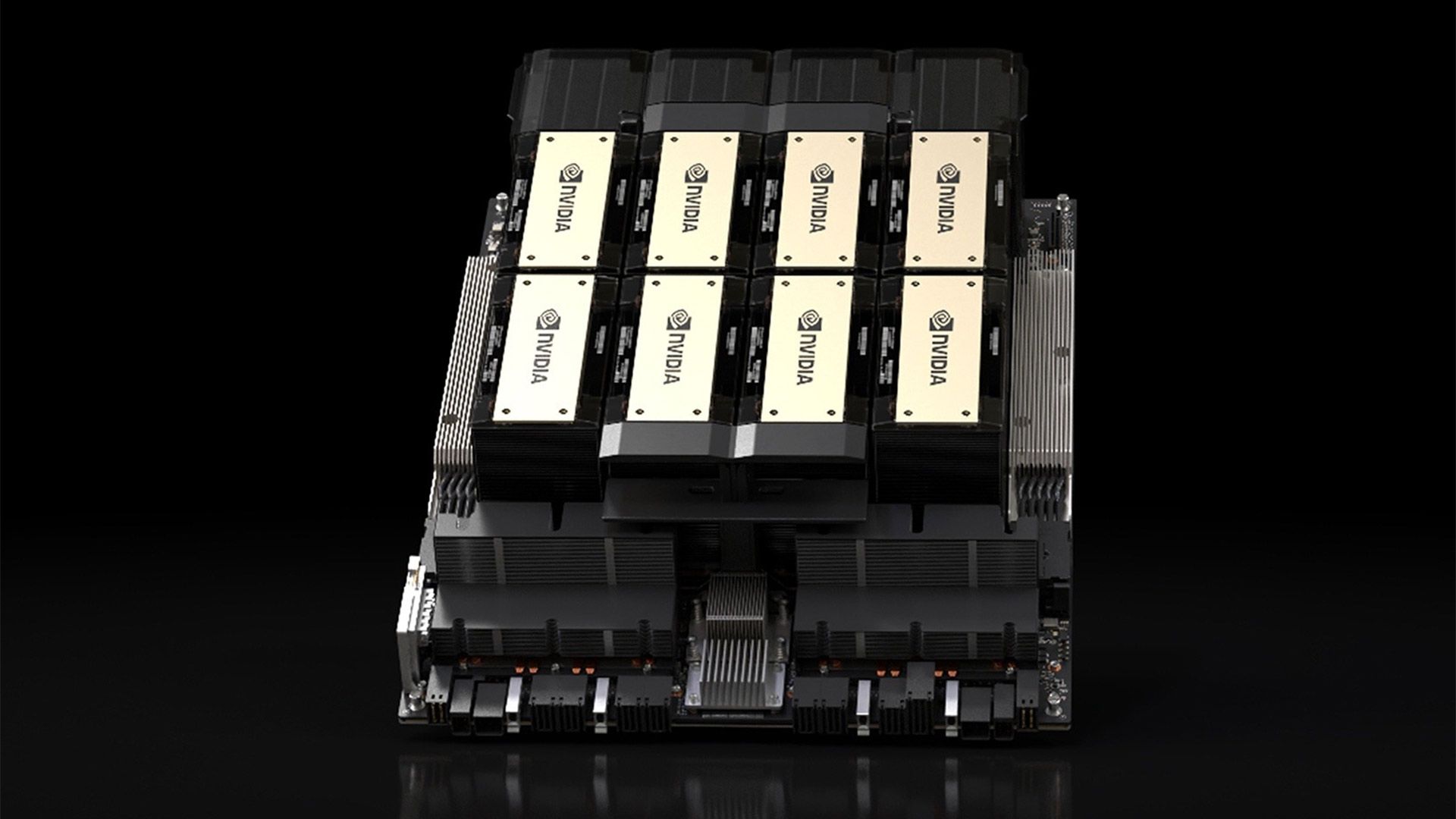
This matters for the US AI hardware supply chain in a specific way. Large campuses reward different products than small ones. The mega-site economics favor very high-density racks, liquid cooling at scale, and dedicated substation infrastructure. The smaller tier still needs accelerators, but the balance shifts toward equipment that can be deployed quickly in existing or brownfield facilities, where power and cooling are bounded. Vendors whose roadmaps assume only the gigawatt customer may find the near-term order book composed of something more modest.
Advertisement

📣

728x90

MID_CONTENT_2

The DRAM Crisis Lands On The Same Beat

Tom's Hardware Premium noted on September 19, 2026 that the DRAM crisis has deepened, alongside coverage of advanced AI accelerators reaching Eastern shores despite export controls. Those two items belong in this analysis because they press on the same constraint from opposite ends. Memory supply is tightening at the moment AI hardware demand is shifting toward more numerous, smaller deployments. Small sites do not relieve memory pressure; if anything, a broader base of buyers competing for the same DRAM makes allocation harder and pricing less favorable for everyone.

For US consumers, the channel is indirect but real. Accelerator and memory demand competes for fabrication and packaging capacity that also feeds consumer electronics. Tom's Hardware Premium framed the week around how AI is changing the landscape of consumer electronics, and the DRAM crisis deepening is the clearest transmission belt. When AI hardware absorbs memory supply, the cost shows up in the devices US buyers purchase, not only in data center budgets.

Export Controls Meet A Distributed Buildout

The Tom's Hardware Premium note that advanced AI accelerators are reaching Eastern shores despite export controls is a reminder that controls operate on the assumption of identifiable, large, trackable deployments. A buildout that fragments into many 20 to 30 MW sites is harder to monitor than a handful of gigawatt campuses. Smaller facilities are individually less consequential and collectively more numerous. That is an enforcement problem, and it sits squarely on the GPUs and AI hardware beat rather than in trade policy generally. It also cuts against the logic of controlling the largest sites most tightly while the capacity that actually comes online is distributed.

What US Buyers And Builders Should Expect

The practical read for US technology companies is that the AI hardware market is being supplied by two different procurement motions running at different speeds. The marquee projects continue to be announced and financed, but the capacity that arrives in the near term is likely to come from smaller facilities, contracted urgently, sited where opposition is manageable. That favors suppliers with short lead times and flexible configurations, and it penalizes those who have optimized only for the largest campus designs.

For the US market, the shape of demand matters as much as its size. A fragmented buildout spreads capital across more sites and more jurisdictions, which raises aggregate cost per megawatt while lowering the risk that any single project stalls the entire plan. It also widens the set of communities that must be persuaded, which is precisely the dynamic TechCrunch documented in Pennsylvania. More small sites does not mean fewer fights. It means more of them, each smaller.

What To Watch

Three things follow directly from the reporting above. First, whether OpenAI and Anthropic keep signing 20 to 30 MW deals as Tom's Hardware described them, which would confirm the smaller tier is a durable strategy rather than a stopgap. Second, whether the Pennsylvania pattern in TechCrunch's reporting spreads to other states as siting pressure migrates with the smaller builds. Third, whether the deepening DRAM crisis noted by Tom's Hardware Premium on September 19, 2026 continues to tighten while the deployment base broadens, because that combination is what would push AI hardware costs into US consumer device pricing. Watch the accelerator flows to Eastern shores as well, since export controls designed around large sites are being tested by a buildout that no longer looks like one.

More on this beat: Hardware on TechManNews.

Advertisement

📣

728x90

IN_ARTICLE_5

#AI data centers#GPUs#DRAM#export controls#AI infrastructure

Newsletter

Get Tech News in Your Inbox

The latest AI, gadgets, software and startup stories from TechManNews, delivered every morning - free.