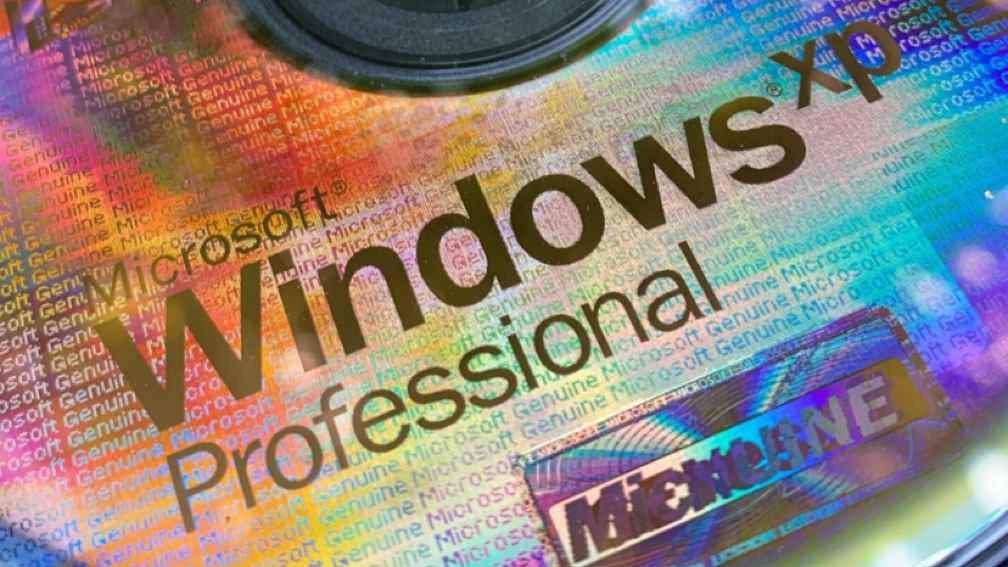
A retired Microsoft engineer has detailed how a widely circulated Windows XP product key, known as FCKGW, came to be used by so many people after it leaked before the operating system's official release. According to his account, the leaked key was tied to the Volume edition of Windows XP, the version Microsoft supplied to partners and OEMs rather than to everyday buyers.
The engineer, Plummer, explained that the original Windows XP media came in two forms: Retail, sold to customers who bought the operating system off the shelf, and Volume, intended for Microsoft partners and OEMs installing the software on large numbers of machines. The two editions used different keys, and the installer checked the key a user entered against data stored on the disc. That data was encrypted so heavily that it has not been decrypted even today, and it consisted of nothing less than the full 10 MB of Microsoft Bob. The short-lived assistant, an ancestor of Clippy, was meant in 1995 to introduce new users to basic computing tasks.
Volume discs were designated for enterprise use, but the final Release to Manufacturing version was finished on August 24, 2001, two months before the official launch on October 25. Discs reached OEMs and partners ahead of that date so their products could ship with Windows XP installed. Plummer said very few organizations had access to the Volume image and its corresponding Volume License Key, and he believes someone at a large OEM, possibly Dell or Intel, leaked both the media and the key together before release. The pirate group Devils0wn then spread it online quickly.
When Service Pack 1 arrived, the FCKGW key was among 640 keys blacklisted from the operating system because of the leak. Service Pack 2 and its Windows Genuine Advantage checks went further and blocked updates entirely on machines running a blacklisted Volume License Key. Plummer said Microsoft chose not to cause unnecessary trouble for customers, which is why it settled on blacklisting the affected keys rather than taking harsher action.
Over the years, many theories held that the FCKGW key worked because Microsoft's key generation algorithm was very basic. Plummer rejected that idea outright, describing the algorithm as the work of genuinely smart people. In his telling, the real explanation was simpler: the problem ultimately rested with the person at the keyboard. The FCKGW key remains a familiar memory for many who used Windows XP.
More software news from TechManNews.