Wearables Are Learning to Do Less, and Users Pay the Price
Article

Wearables Are Learning to Do Less, and Users Pay the Price

Three recent stories on notifications, app support and earbud design point to a common shift: wearable makers are quietly narrowing what their devices can do.

ManishankarNovember 15, 20265 min read

Photo: Engadget

The recent run of wearable news shares one thread: the devices are being pared back, not expanded. Notification management on the Apple Watch, the end of third-party app support on older Fitbit models and the design trade-offs between open-ear and in-ear earbuds all involve the same question, namely how much a worn device should actually do. For US buyers, the pattern matters because it shifts the burden of upkeep, workarounds and hardware choice onto them.

The red dot is the whole notification problem in miniature

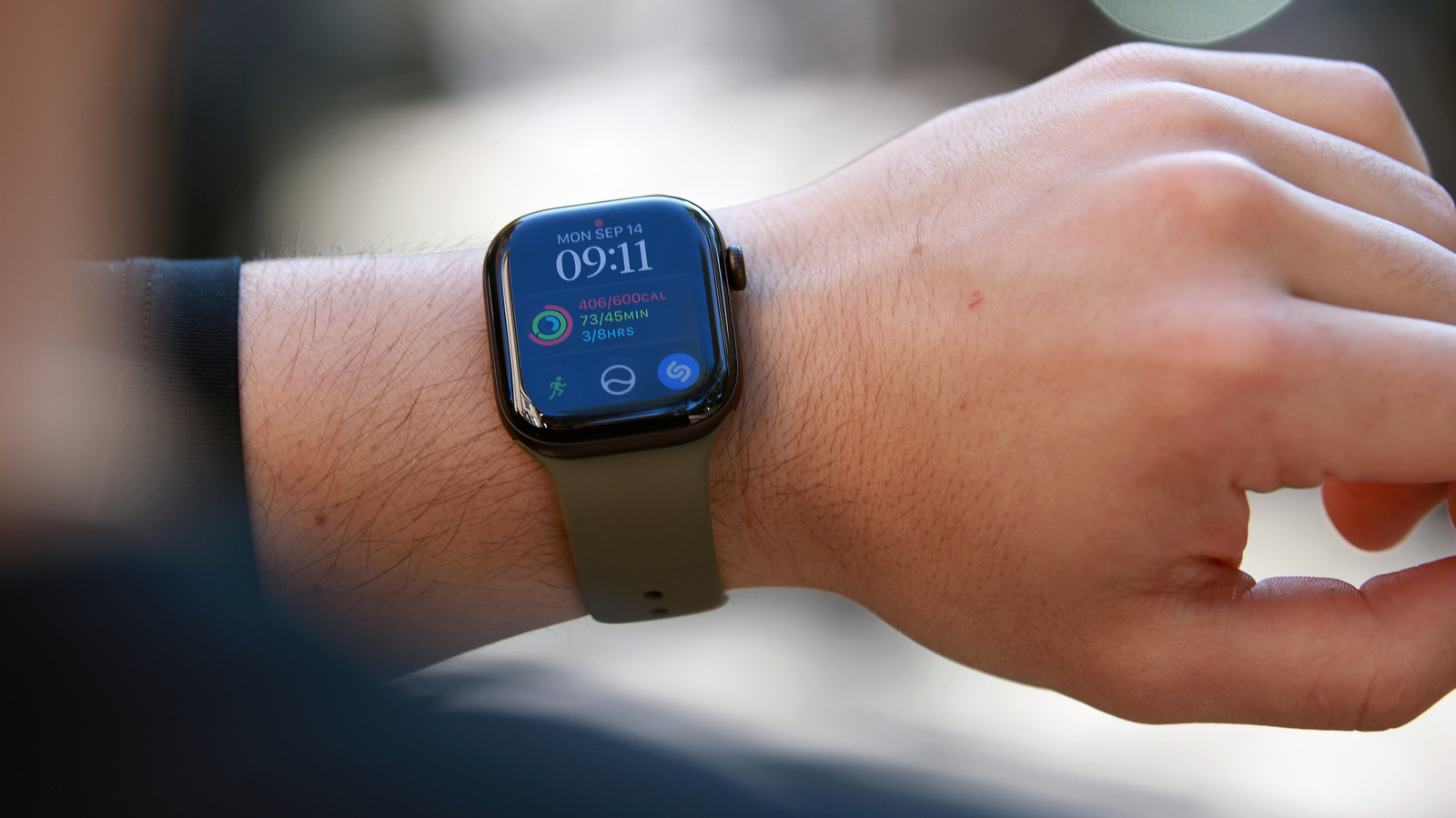
Engadget's explanation of the red dot on the Apple Watch is a small thing with a large implication. The dot means there are unread notifications, and clearing it means either reading them or changing notification settings. That is the entire interaction model in a sentence. A wrist device earns its place by interrupting the wearer, and the only controls offered are to accept the interruption or mute it.

What is notable is that this is presented as a feature question rather than a design failure. The user is instructed to manage settings, not told that the watch might be generating more alerts than it should. The red dot is a persistent, visible prompt that something is waiting, and it exists because the device has no better way to express priority. On a phone, a similar badge can be buried in a home screen. On a wrist, it sits in the line of sight all day.

For US consumers, this is the everyday cost of wearables: attention management. The device is sold on the promise of useful pings, and then the owner spends time configuring which pings are allowed through. The settings screen becomes a maintenance task, and the hardware's value depends on how well the user curates it.

Older Fitbits show what happens when support ends

ZDNET's report that Fitbit Versa and Sense owners will lose the ability to install or update third-party apps and clockfaces after Nov. 28 is the sharper version of the same trend. This is not a setting the user can tune. It is a capability being removed from hardware people already own and wear.

That matters for the US market in two ways. First, it shortens the practical life of a smartwatch. A watch that can no longer take new apps is not broken, but it is frozen, and its owner has to decide whether a frozen device is still worth wearing. Second, it makes the purchase decision harder. A buyer weighing a Versa or a Sense in 2026 has to factor in how long the software layer will keep moving, not just whether the hardware fits.

There is a broader signal here about Google's stewardship of the Fitbit line. The withdrawal of third-party app and clockface support on older models is a maintenance decision, and it is being communicated as a date rather than a debate. For consumers, the lesson is that the app ecosystem on a wearable is a lease, not a purchase.

Earbuds ask users to choose their own compromise

Engadget's comparison of open-ear and in-ear earbuds looks like a buying guide, but it belongs to the same story. The two designs are built differently, and those differences change daily listening more than buyers expect. Open-ear designs leave the ear canal unobstructed, while in-ear designs seal it. Neither is presented as strictly better, because the trade-off is the product.
That framing is honest, and it is also the pattern. Wearable categories are maturing into sets of explicit compromises rather than single best answers. The consumer is asked to pick which limitation they can live with: awareness of surroundings versus isolation, comfort versus fit, or, in the watch cases above, a curated alert stream versus a quieter wrist.

US buyers are now making these decisions with less guidance than the marketing implies. The earbud question is decided by how and where someone listens, which the buyer knows better than any spec sheet. The watch question is decided by how much interruption someone tolerates, which the buyer also knows. In both cases the industry has moved the judgment to the customer.

The common thread is subtraction

Put together, the three stories describe a beat that is no longer mainly about adding sensors and features. Apple's notification model asks the user to subtract alerts. Fitbit's support change subtracts apps from existing watches. The earbud comparison asks the buyer to subtract one kind of hearing experience in exchange for another.

This is a normal phase for a hardware category, but it has consequences. When devices do less, or do it less flexibly, the upgrade case weakens. A Versa owner who loses third-party apps has less reason to stay in that ecosystem and more reason to consider a different brand or a longer replacement cycle. A watch owner who mutes most notifications may conclude the watch is not earning its place. Neither outcome is good for US hardware sellers counting on repeat purchases.

It also changes what reviewers and analysts should measure. The interesting questions are no longer about which device has the most features. They are about how long the software keeps working, how easily alerts can be tamed, and whether the form factor's compromises are stated clearly enough for a buyer to choose well.

What to watch

Three concrete things follow from the material above. The first is the Nov. 28 date for Versa and Sense models, as ZDNET reported. How owners respond to the loss of app and clockface updates will be an early signal of how much tolerance the US market has for feature withdrawal on hardware already sold.

The second is notification settings on the Apple Watch, as Engadget described. If users are routinely sent to settings to manage a red dot, that is a design measure worth tracking, because attention is the scarcest resource a wrist device competes for.

The third is the earbud choice itself, as Engadget framed it. Open-ear versus in-ear is a question without a universal answer, and the way US buyers resolve it will show whether the wearable market can support honest trade-offs rather than a single default. The thread across all three is the same: the devices are asking users to do more of the deciding.

More on this beat: Gadgets on TechManNews.

#wearables#Apple Watch#Fitbit#earbuds#US consumers#software support

Newsletter

Get Tech News in Your Inbox

The latest AI, gadgets, software and startup stories from TechManNews, delivered every morning - free.