The latest wearable launches are not really sensor stories. Whoop is building a social network around a "verified heartbeat," Neurable is selling headphones that read brain activity, and Grado is refreshing a conventional pair of headphones with new drivers and longer battery life. The common thread is that the competitive ground has shifted from what a device measures to what it claims to know about the person wearing it - and how much of that person it can put on display.
The Verified Human as a Feature
Whoop's new Whoop Humans network, reported by The Verge, is the clearest expression of the pattern. Starting Thursday, members can share data from its wearables on the app's new social layer, make metrics, activities and achievements visible to other Whoop wearers, post Story-like "Moments" with photos and captions, and comment and react on other members' posts. Whoop's framing is that the platform is "entirely human."
That phrase is doing real work. A social network built on wearable data is not competing with general-purpose feeds on reach or entertainment. It is competing on authenticity, and the "verified heartbeat" is the credential. The pitch is that the people and the numbers in the feed belong to real bodies rather than bots or aspirational posturing. For a US market that has spent years arguing about what is real on social platforms, attaching identity to a device reading is a distinctive, if narrow, claim.
It also changes what the wearable is for. A fitness tracker that logs sleep and strain is a private instrument. A tracker that publishes achievements to a feed of other wearers is a performance device. Whoop is asking its members to treat their own physiological data as social content, which is a meaningful shift in the product's job.
Interpretation Is the New Hardware
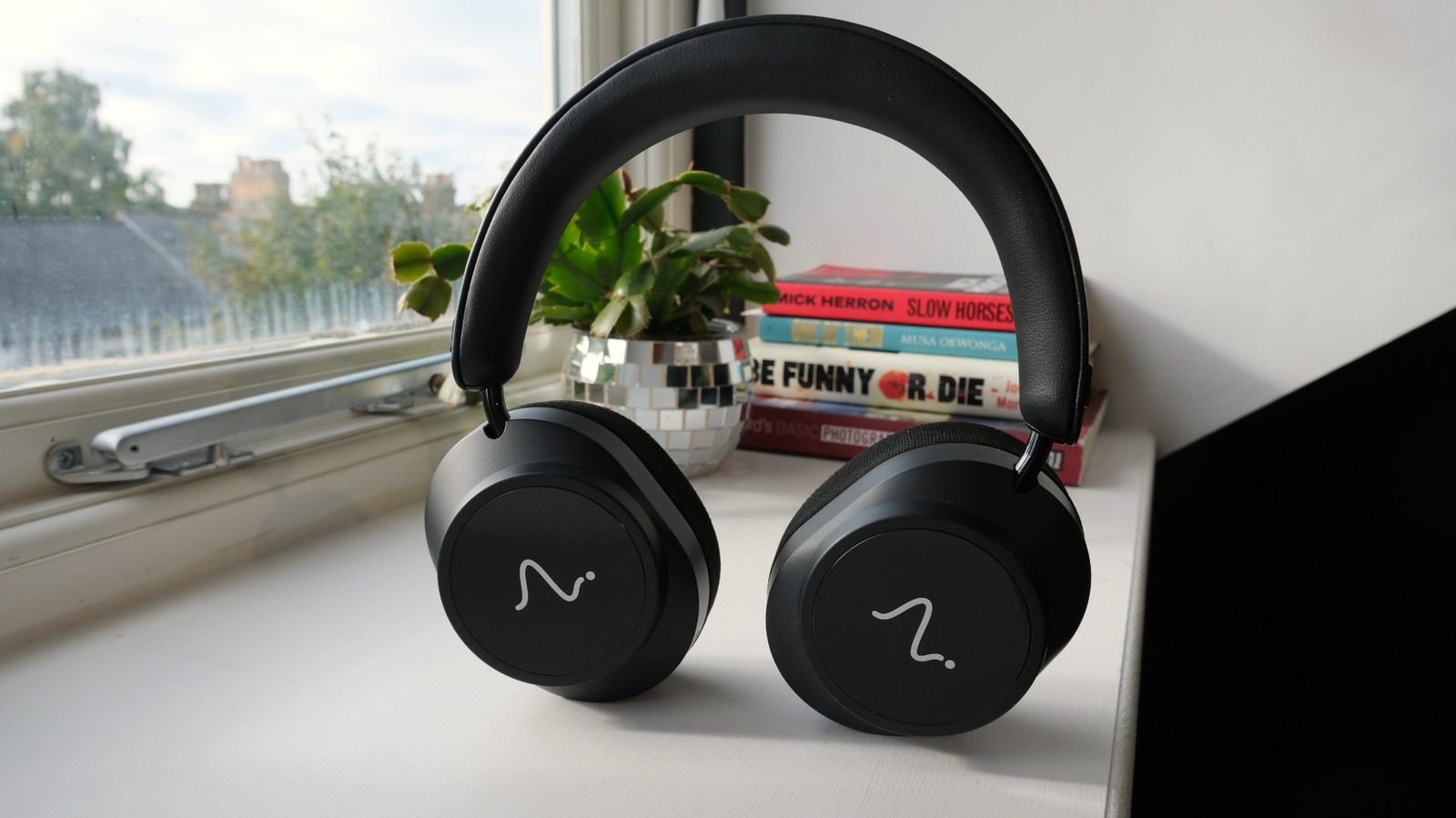
Neurable's One headphones, reviewed by Engadget, push the same idea in a different direction. The headphones have a built-in EEG that scans the brain while the wearer works. The value on offer is not audio fidelity alone but an interpretation of the wearer's state - in this case, focus.
That is a harder product proposition than a heart-rate strap, because the claim is cognitive rather than physical. It also shows where hardware differentiation is heading. Drivers and battery life are mature, well-understood specifications. A sensor that reads brain activity and turns it into something a user can act on is a story about software and interpretation layered on top of a familiar accessory.
For US consumers, this raises the stakes of the purchase. A headphone that scans the brain is asking for a different kind of trust than a headphone that plays music, and the review format itself - a journalist living with the device to see whether it helped focus - reflects how these products have to be judged. The specification sheet cannot settle the question.
Conventional Hardware Still Sets the Floor
Grado's GW200, also covered by Engadget, is the counterweight. The headphones run $329, are up for preorder now, and boast fresh drivers and a longer battery life. There is no social layer and no brain scan. The pitch is the traditional one: better components and more endurance at a stated price.
That story matters because it defines the baseline against which the more ambitious products are measured. A US buyer comparing a $329 headphone against an EEG-equipped alternative is weighing a known quantity against an interpretive one. Grado's refresh is a reminder that the wearable and headphone categories are still consumer-hardware businesses, where price and battery life remain legible and comparable in a way that "focus" and "verified heartbeat" are not.