Wearables have stopped being accessories that count steps and started making claims that matter. A hearing test, an AI system that listens to conversations and a $1,099 pair of AR glasses all ask consumers to trust what a device on the body says about health, memory or the world. The pattern across the recent coverage is that the hardware has outrun the verification, and American buyers are being asked to absorb the difference.
The Clinical Claim Arrives on the Ear
The clearest example is Apple's hearing test on AirPods Pro. As Engadget reported, the feature takes about five minutes and uses an industry-recognized standard. That is the strongest defense available, and it is worth taking seriously: a standardized test is not a marketing gimmick.
But the same reporting notes that various factors can give inaccurate results. That caveat is not a footnote. A hearing test carried out on earbuds, in a room the company did not control, at a volume the user may have adjusted, sits in a different environment from an audiology booth. The standard describes the test; it does not describe the conditions under which most people will run it.
For US consumers, the practical question is what a five-minute result is for. A screening that prompts someone to seek professional care is one thing. A number that gets treated as a diagnosis, or as a reason to delay one, is another. Apple has not been accused in this coverage of overstating the test, and the use of a recognized standard is a genuine signal. The gap is between a screening tool and a clinical instrument, and the marketing and the user experience do not always make that gap visible.
Listening Is a New Product Category
The Apple Watch story goes further. CNET's reporter let the watch eavesdrop on conversations for two weeks using new AI note-taking features in WatchOS 27.3, and came away more concerned about sanity than privacy. That framing is notable because privacy is the objection the industry has spent years preparing for. The reported experience suggests a second problem: an always-available listener changes how the wearer behaves.
The privacy questions remain real. A device that captures conversations is handling the most sensitive material a person produces, and it does so on a wrist. But the CNET piece points at something less discussed, which is the cognitive and social cost of outsourcing memory to a wrist-worn recorder. If the feature works well enough to be useful, it invites people to stop paying attention. If it works imperfectly, it produces a record that is subtly wrong.
That is a US market issue as much as a design one. American consumers have shown willingness to accept ambient capture when the benefit is concrete, and note-taking is concrete. The unresolved question is what the captured material is worth and who is responsible when it is wrong.
Premium Prices, Unfinished Platforms
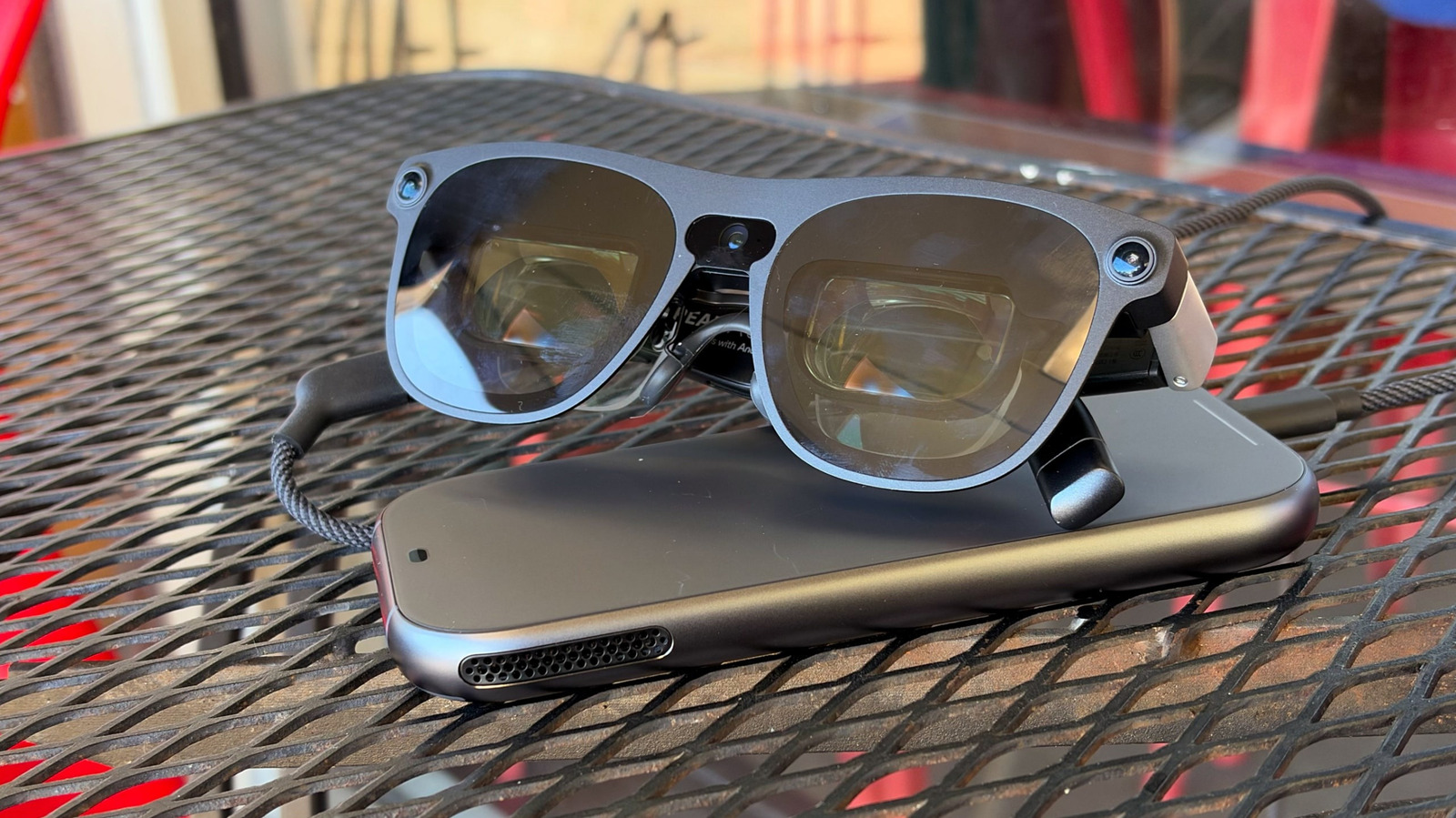
The AR story looks like a different problem, but it lands in the same place. Engadget's review of the Xreal Aura calls the glasses solid but hampered by Google's half-baked Android XR, and states plainly that at $1,099 buyers should expect more.
That is the wearable version of the verification gap. The hardware can be good and the product can still be a promise. AR glasses depend on a platform, and when the platform is incomplete, the buyer is paying a premium to participate in someone else's development cycle. The $1,099 price is not a subsidy; it is a full-price purchase of a device whose usefulness is partly deferred.