The laptop's next battle is not about raw performance. It is about whether the PC becomes a touch-first, agent-driven device or remains a keyboard-and-trackpad machine with AI bolted on. Three recent stories on this beat - Apple's rumored touchscreen MacBook, the industry-wide push toward AI assistants in computers, and Framework's latest Laptop 12 with Intel's Wildcat Lake - point to the same tension, and it is one US buyers will feel in price tags and product choices long before they feel it in day-to-day use.
The AI pitch is becoming the default
The Verge reported that gadget season has produced a wave of launches - a high-end Microsoft laptop, an Amazon Android tablet shipping, and Apple pushing into the smart home - and that the underlying strategy across these companies is nearly identical. Each is building around AI assistants and agents as the organizing principle of the device. That matters for the laptop beat because it redefines what a PC is for. If the assistant is the primary interface, then the hardware becomes a vessel: microphones, cameras, always-on connectivity, and enough local compute to keep agents responsive without a round trip to the cloud. The keyboard and screen do not disappear, but they stop being the point.
This is not a fringe bet. It is the mainstream posture of the largest US platform companies. Microsoft, Amazon, and Apple are all converging on the same story, as The Verge noted, which means the laptop market is about to be segmented not by processor tier or screen size but by how convincingly a machine can host an agent. For US consumers, that reframes upgrade decisions. The question stops being whether a laptop is fast enough for spreadsheets and starts being whether it can run the assistant layer natively - and for how long before that layer outgrows the silicon.
Apple's touchscreen move is a boundary test
Bloomberg reported, via The Verge, that Apple will introduce a MacBook Pro with a touchscreen and an updated iPad Mini on or around October 27th. The timing is notable: Apple announced an October 13th event, expected to focus on smart home products, and the touchscreen MacBook would arrive roughly two weeks later. If the reporting holds, Apple is separating its smart home narrative from its PC narrative, which keeps the laptop story from being subsumed by the AI-assistant pitch.
But the substance matters more than the scheduling. A touchscreen MacBook would be the clearest signal yet that Apple sees the laptop as a device that must meet the tablet halfway. That is a reversal of a long-held position, and it carries design consequences: hinge stiffness, screen coatings, palm rejection, and battery budget all get harder when a display is expected to be touched. It also raises a pricing question for US buyers. Apple's MacBook Pro line already sits at the top of the consumer laptop market; adding touch hardware and the software to support it does not typically push prices down.
Intel's 18A arrives in a midrange laptop
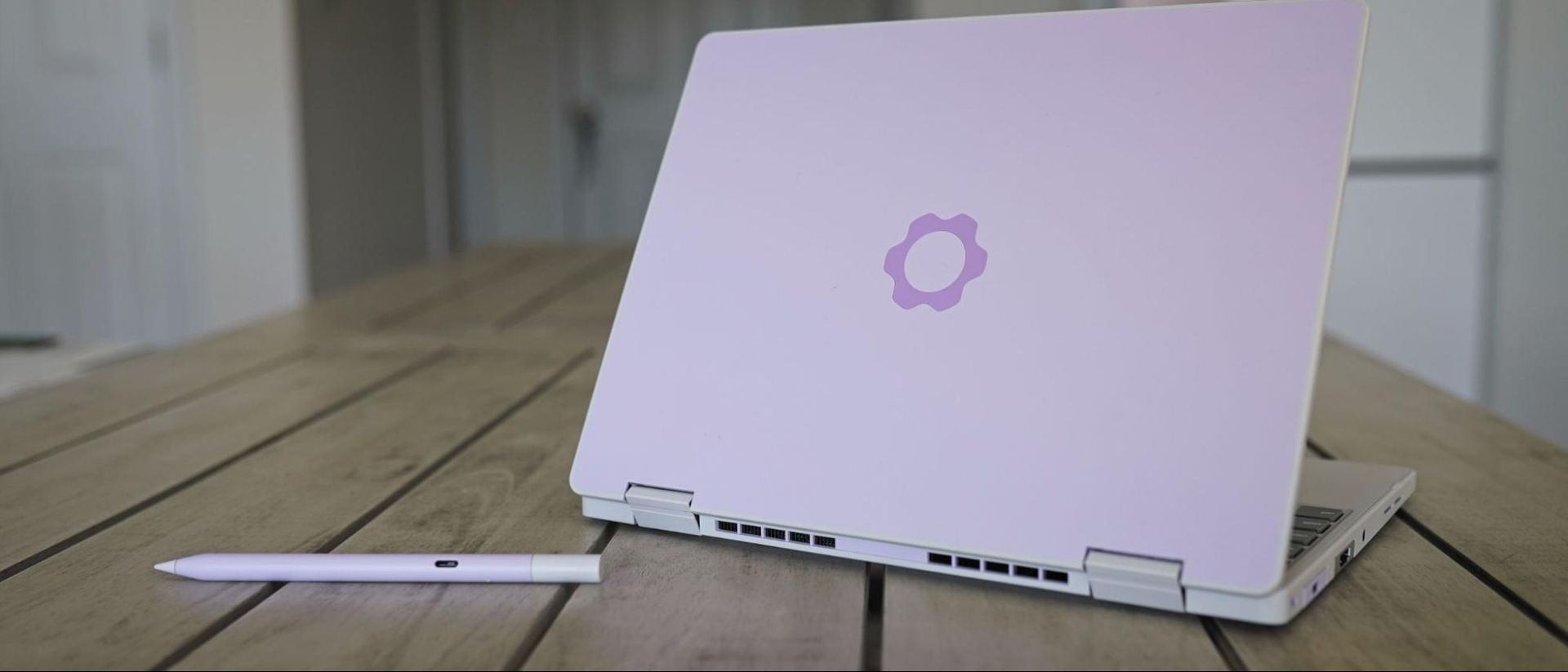
The third thread is silicon. Tom's Hardware reviewed the Framework Laptop 12 (Wildcat Lake), noting that it gets an infusion of Intel's 18A process technology. That is a meaningful milestone for the US chipmaker: 18A is the node Intel has been betting its foundry ambitions on, and its appearance in a shipping laptop - even a midrange one - is the kind of proof point that matters to buyers and investors alike.
But the review is not a victory lap. Tom's Hardware found poor display performance and called it a tough sell when prices often reach above $1,000. That combination is the crux of the beat right now. A new manufacturing process and a repairable, modular design are real differentiators, but they do not automatically produce a machine that feels worth four figures to a US consumer. The display is the part of a laptop a buyer looks at constantly; if it underwhelms, the silicon story does not rescue the product.