📣

Advertisement

Google Ad - 970×90 Leaderboard  TOP_LEADERBOARD_4

The Upgrade Loop: Tech's New Cycle of Nostalgia and Surveillance

Photo: Engadget

Article

The Upgrade Loop: Tech's New Cycle of Nostalgia and Surveillance

Apple, Microsoft, and Meta all converge on making old things new again, while asking users to accept new trade-offs for that comfort.

Arjun NairAugust 28, 20266 min read
📣

Advertisement

Google Ad - 970×90 Leaderboard  TOP_LEADERBOARD_4

The Upgrade Loop

The stories logged this week share a quiet but powerful thread: the major US technology companies are no longer selling the future so much as they are reselling the past, repackaged with a new compromise attached. Apple is readying a foldable iPhone that promises to reimagine the device that replaced the iPod, Microsoft is digitizing the physical game discs it once pushed as the superior format, and Meta is trying to scrub the creep factor off its smart glasses with a software patch. Each move is framed as progress, but together they describe a cycle where the industry mines its own history for revenue, and where every second chance at an old idea carries a fresh cost to consumer control, privacy, or ownership.

The Foldable as a Debt Payment

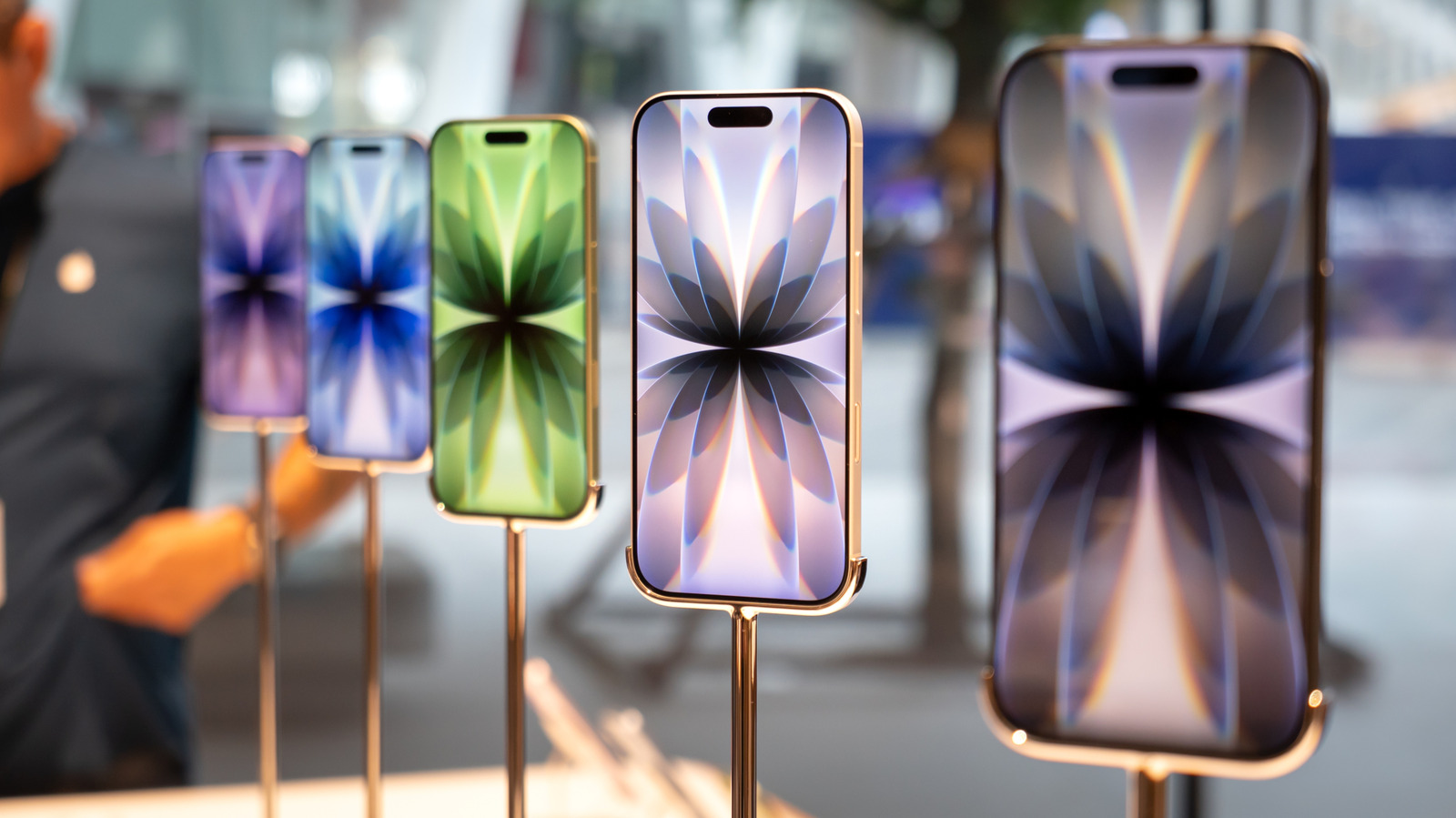
Apple's September 9 event, as Engadget reported, is titled "Surprise and shine," and the outlet notes that speculation has centered on whether this is finally the moment for the foldable iPhone. The CNET-led retrospective, timed to this announcement, asks experts from CNET, PCMag, Mashable, Popular Science, ZDNET, and Lifehacker to review Apple's major reveals. That is not an accident. Apple is leaning on its own legacy to generate anticipation for a product category that has existed in rival Android phones for years. The foldable iPhone, if it arrives, will not be a new frontier; it will be Apple catching up to a form factor that Samsung and others normalized, while asking loyalists to pay a premium for the privilege of repurchasing a familiar tool in a slightly different shape.

The deeper pattern is that Apple no longer introduces categories. It perfects them after the market has proven them, then justifies the higher price with a thin veneer of nostalgia. The retrospective exists to remind consumers that Apple once defined eras. The subtext is that a foldable phone is not an admission of lag but a continuation of a storied lineage. That framing works only if the audience forgets that the original iPhone was genuinely unprecedented. A foldable screen is not. The risk is that US consumers, already stretched by device fatigue, will see the event as what it is: a company trading on its past because its present is incremental.

The Disc That Disappears

The Verge reports that Microsoft has officially announced the disc-to-digital feature for Xbox, which will digitize physical game collections. Outwardly, this is a preservation win. Inwardly, it is the final step in a long migration away from ownership. Microsoft is not adding a new capability; it is converting a physical asset into a license that can be revoked, updated, or tied to a server. The feature is framed as preparation for the next generation of Xbox consoles, which suggests that future hardware will likely omit disc drives entirely. The digitization is not a gift; it is a migration path that ends with the disc becoming a coaster.

For US consumers, this creates a strange cognitive dissonance. The same companies that spent the 2000s and 2010s convincing people to buy discs as a guarantee of ownership are now convincing them to scan those discs into a cloud. The convenience of no longer swapping media is real, but the cost is the loss of a tangible object that could be resold, borrowed, or preserved independent of a corporate server. Microsoft positions this as game preservation, as The Verge notes, but preservation usually implies keeping something in its original form, not converting it into a format that requires the company's continued goodwill to function. The pattern is clear: every generation of hardware strips another layer of consumer agency, and the story is told as an upgrade.

Advertisement

📣

728x90

MID_CONTENT_2

The Camera That Must Be Seen

The Verge also reports that Meta is updating its AI-powered smart glasses to close a loophole where covering the front-facing LED allowed the camera to keep recording. The company's vice president of augmented reality, Alex Himel, wrote on Threads that the camera will stop working if the light is covered during a recording. This is a technical fix, but it is also a marketing repair. The article mentions Meta addressing a "pervert glasses" reputation, which is an unusually candid phrase for a major tech firm to confront in public. The privacy fix is necessary, but it reveals how far the product had drifted from acceptable social norms.

Here the thread tightens: Meta is not inventing a new use case for glasses; it is trying to rescue a product that had become synonymous with non-consensual recording. The fix does not change the fundamental issue, which is that a camera on your face is inherently more invasive than a camera in your hand because it is harder to detect. The LED was the only social signal, and users found a way to defeat it. Now the company is forcing the camera to rely on a sensor that cannot be fooled by a thumb. That is good engineering. But it also means the product is only usable if it constantly broadcasts its own recording status, which undercuts the seamless, unobtrusive vision Meta originally pitched. The glasses are becoming less magical and more honest, and that honesty is the feature.

The Cost of Comfort

Across these three stories, the common variable is a trade. Apple trades novelty for familiarity. Microsoft trades ownership for convenience. Meta trades social acceptance for a technical constraint. In all three cases, the consumer is asked to accept a diminished version of a past ideal in exchange for a small new benefit. The foldable phone gives you a bigger screen but a heavier device and a fragile hinge. The disc-to-digital feature gives you a clean shelf but no resale value. The glasses give you hands-free recording but only under the constant gaze of a status light.

These trades are not inherently bad, but the pattern is that they are presented as inevitable progress rather than negotiated concessions. The US market is unique in its tolerance for this: American consumers have historically adopted new tech early and accepted its social costs. But the current cycle is distinct because it is not about speed or power. It is about recycling. The companies are not inventing new categories; they are extending the life of old ones. The foldable iPhone is a phone, the disc-to-digital is a disc, the glasses are a camera. Nothing here is a new necessity. Everything is a refinement of something that already exists, and the refinement often comes with a small erosion of user rights.

What to Watch

The most telling signal in this week's news is not the product announcements themselves, but the framing around them. Apple's event is paired with a retrospective, which is a way of saying that the past is the product. Microsoft's feature is paired with a preservation narrative, which is a way of saying that the corporate cloud is the only safe archive. Meta's fix is paired with a recognition of its own reputation problem, which is a way of saying that the hardware is only as good as the social contract it upholds.

The next few months will show whether US consumers accept these trades. If the foldable iPhone sells out, it will prove that nostalgia still outsells novelty. If Xbox users digitize their libraries without protest, it will prove that convenience outweighs ownership. If Meta's glasses regain trust, it will prove that a well-placed light can undo a year of bad press. But the larger question is whether the industry will ever again attempt something that requires no trade at all. Based on this week's stories, the answer appears to be no. The future is not a new product; it is a new explanation for an old one. And that explanation is always the same: trust us, we have your best interests in mind, even as we take a little bit more of your agency in exchange. That is the real pattern, and it is not likely to break on September 9 or any other day soon.

More on this beat: Gadgets on TechManNews.

Advertisement

📣

728x90

IN_ARTICLE_5

#iphone#apple#microsoft#digital#feature#tech

Newsletter

Get Tech News in Your Inbox

The latest AI, gadgets, software and startup stories from TechManNews, delivered every morning - free.