The Shared Thread
The four stories logged on this desk today read as unrelated: a Japanese return to fax machines, an unannounced Intel CPU appearing in Newegg prebuilts, a transparent 1000W Corsair power supply, and Microsoft services flickering offline. The thread is not the products themselves but the fragility they expose in the assumption that technology is now a reliable utility. Taken together, they show a hardware and cloud ecosystem where redundancy is both increasingly necessary and increasingly visible, and where end users are left to construct their own fallbacks when the layers above them falter.
Cloud Dependence Has a Local Cost
Tom's Hardware reports that Japanese workers are breaking out fax machines to cope with Microsoft's ongoing 365 outage. That detail matters beyond nostalgia. Fax persists because it operates on a different failure path from internet-connected productivity suites, and it does not require authentication against a distant identity provider. For US companies that have spent years consolidating productivity, email, and telephony onto a small number of cloud tenants, the Japanese example is a warning rather than a curiosity. The fallback works only because those workers retained a parallel, legacy channel. Many US organizations have retired exactly that kind of redundancy in the name of modernization and cost control. The ZDNET report that Microsoft restarted affected servers to restore services reinforces the point: the recovery mechanism is centralized, so the disruption is shared across every dependent customer at once.
Silicon That Arrives Without a Press Release
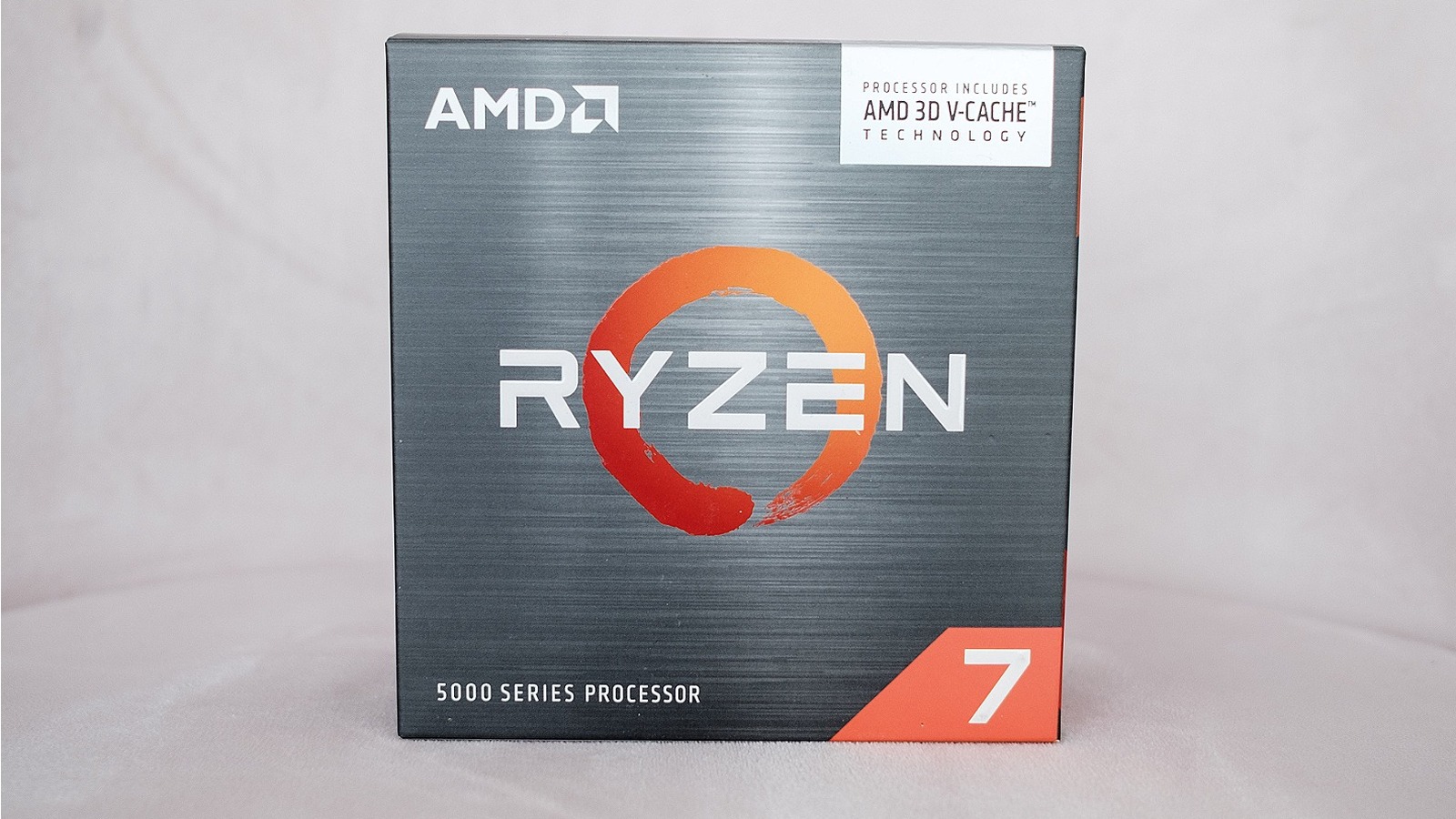
Tom's Hardware also reports that an unannounced Intel Core Ultra 7 260K surfaced in prebuilt gaming PCs on Newegg, despite no official mention of the chip from Intel. This is a quieter signal but a relevant one. It suggests that product cadence and retail channel timing are no longer strictly synchronized with official announcements. For US system builders and consumers, that creates an information problem: machines can be sold containing configurations that exist outside the vendor's published lineup, which complicates support, driver validation, and warranty expectations. For Intel, the more interesting question is why a desktop part would appear through prebuilt OEM channels before any formal launch. It points to a supply chain where inventory moves faster than marketing, and where the retail channel becomes the de facto announcement venue. That is not inherently harmful, but it does shift the burden of diligence onto buyers.
The Power Supply as a Visibility Statement
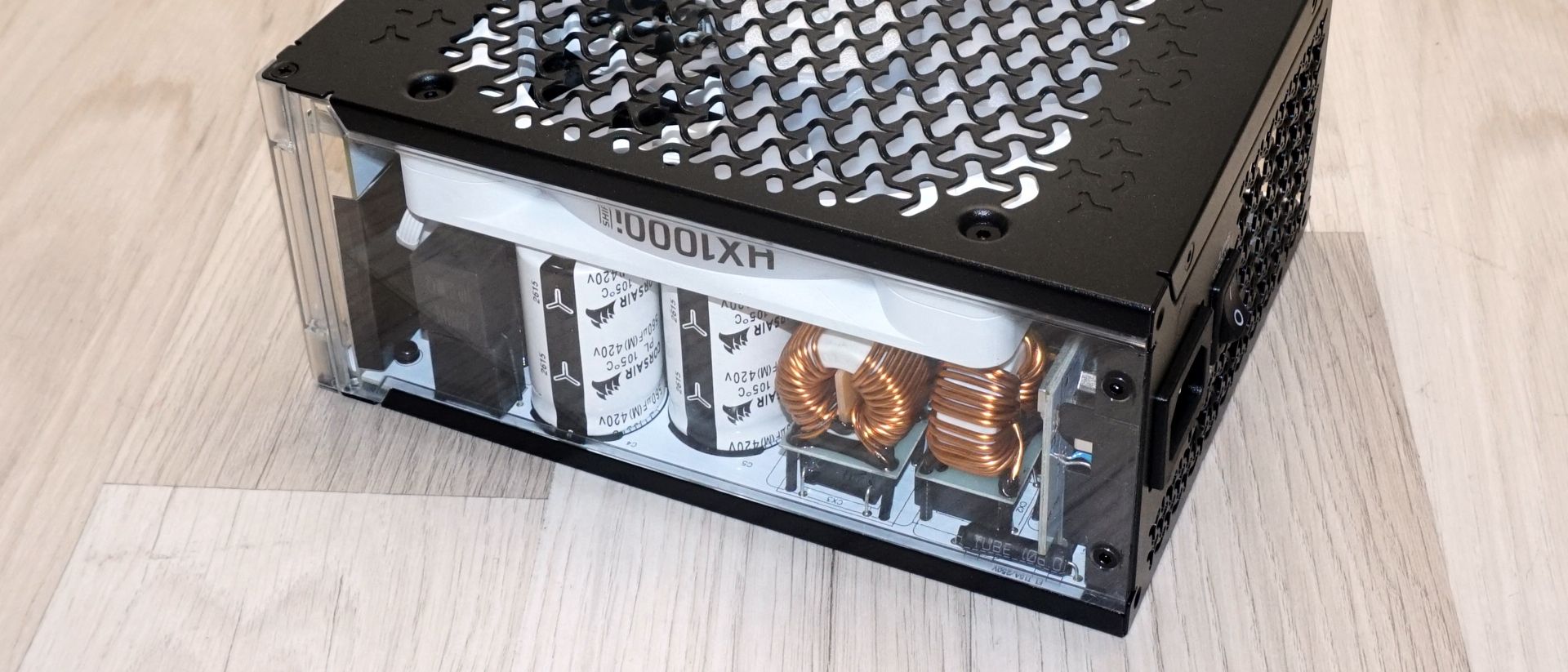
The Corsair HX1000i Shift Crystal, reviewed by Tom's Hardware, is a Cybenetics Platinum 1000W platform built by CWT, with side-mounted connectors, iCUE LINK integration, per-pin 12V-2x6 protection, and internals visible behind three clear panels. Every one of those design choices is about making the complicated parts legible: protection at the pin level, monitoring through software, and hardware exposed to the eye. It is a product aimed at people who no longer trust a sealed black box. That instinct is rational in a market where high-power GPUs have made the 12V-2x6 connector a recurring point of anxiety. US enthusiasts and small workstation builders are the immediate audience, but the broader significance is that premium components are now selling reassurance as a feature. Transparency and per-pin monitoring are engineering responses to a perception problem as much as a technical one.