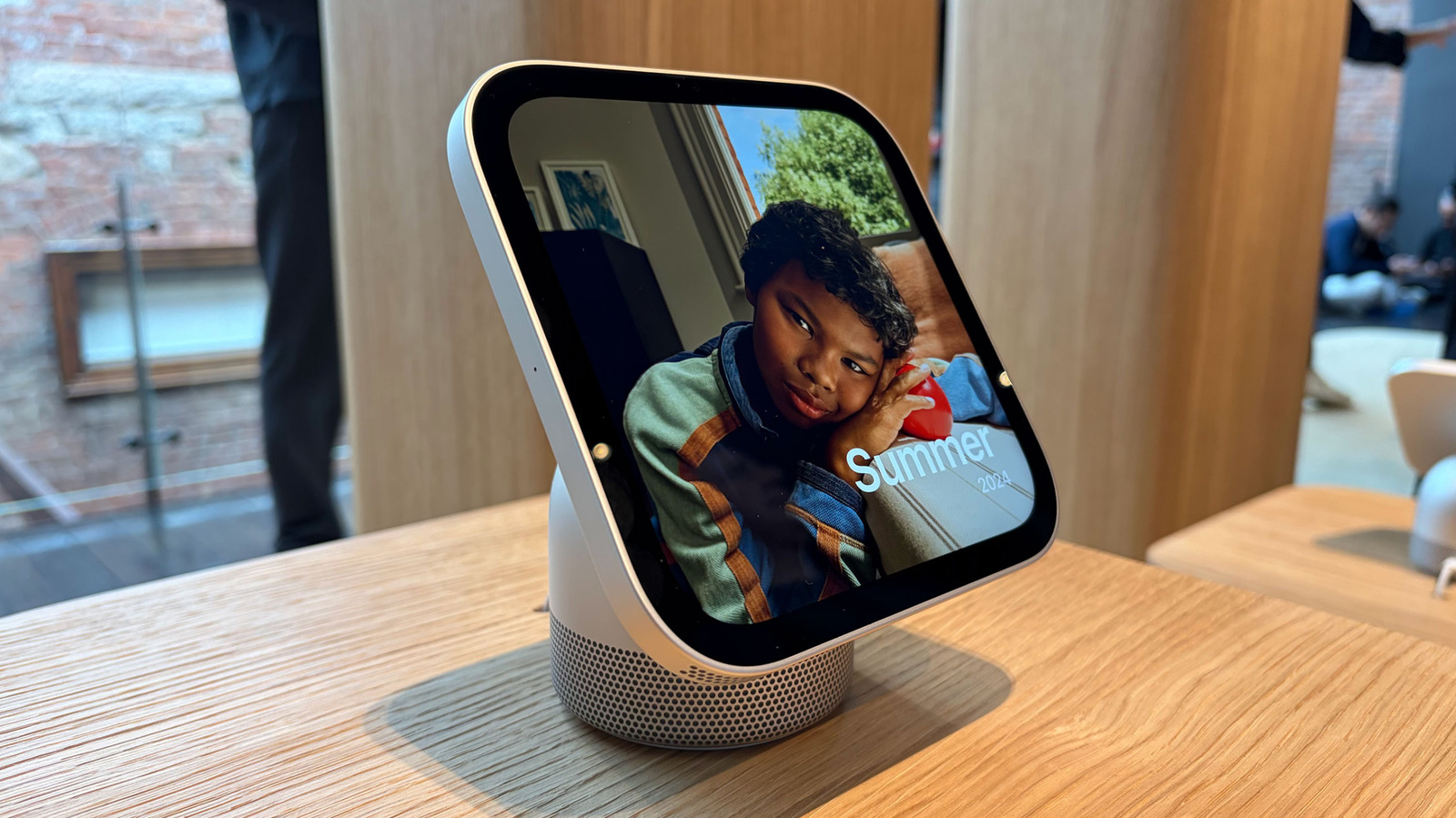
The most telling technology stories this week are not about new categories. They are about companies returning to products they have already shipped and making them more personal, more integrated and more tuned to the rooms and habits they already occupy. Apple is taking preorders for its first Apple Home Collection devices, Microsoft is letting Xbox Insiders test new background and Guide-menu customization, and a reviewer is measuring Apple's HomeView against the messy reality of a household. The pattern is consolidation: the platform giants are now competing on how well their existing hardware fits into daily life, not on how loudly they can announce the next new thing.
The Home Becomes the Product
Apple's move is the clearest signal. The Verge reports that the first smart home devices and accessories Apple co-developed with LG Electronics and Schneider Electric for its new Apple Home Collection are now available for preorder through the company's online store, with delivery expected in mid-December. Apple announced the collection a month ago as part of a stronger push into the smart home. The details matter less than the structure of the deal: Apple is not building every fixture itself. It is lending its software, brand and retail channel to established hardware partners and putting the results on its own store shelves. That is a hardware strategy built on integration and distribution rather than on manufacturing volume, and it is aimed squarely at the US living room and kitchen, where Apple's installed base of phones, tablets and speakers already sits.
Customization as a Competitive Weapon
Microsoft's Xbox test, also reported by The Verge, points the same direction from a different room. Xbox Insiders will be able to start testing new rotating backgrounds, new library options for digital games, and the ability to move the Xbox Guide menu to the right-hand side. The Verge quotes the program noting that Insiders can now save favorite dynamic backgrounds and shuffle through them automatically. None of this is a new console. It is the kind of work that happens when a platform is mature and the fight is over engagement and retention. Personalization is cheap to ship, visible to users every session and hard for rivals to match without equivalent software depth. For US console owners, the practical effect is that the value of hardware they already own keeps shifting through software updates rather than through a new purchase.
The Review That Measures the Gap
The Verge's review of Apple's HomeView is the most useful story of the three because it refuses to treat a launch as a finish line. The reviewer writes that the HomeView nails everything wanted from a smart display: it is superb at controlling a smart home, an excellent hands-free kitchen companion, a good speaker and a gorgeous digital photo frame. It is also the first Apple smart speaker with Siri AI, which the review calls an improvement, if still slow at times. Then comes the pivot: the reviewer notes that Apple has fallen short in some respect, and that the device is not the daughter's favorite. That household-level gap is the real competitive terrain. A smart display is judged not by a spec sheet but by whether a child, a guest or a hurried cook can use it without instruction. Apple's strength in control and display quality is real; the friction around the assistant remains the weaker link.