The deals logged on this beat this week share a common shape: the transaction is no longer the end of the story. A resignation at the top of Nvidia, a guest column urging a harder look at AI startup valuations, and Anthropic's multi-billion-dollar purchase of natural gas turbines all point to the same pattern. In each case, what looks like a discrete deal or corporate event carries obligations that surface later, and the parties who signed up for the upside are now exposed to the terms.
The Nvidia departure is not a closed chapter
The Verge reports that one part of the saga surrounding Nvidia CEO Jensen Huang ended on Thursday, when Huang resigned from his position at the top of AI's most important company. Read narrowly, that is a leadership change. Read as a deal story, it is the opening of a larger question about Nvidia's dealings in China and the US government's willingness to act on them. The Verge is explicit that a much bigger story may be about to unfold in the coming weeks and months, framed around those China dealings and Washington's posture. For US technology companies, the lesson is that a corporate transition at a systemically important supplier does not settle the underlying commercial and policy exposure. For the US market, the concentration of AI compute in one firm means any unresolved question about its China business is a question about the supply chain that much of the domestic technology sector depends on. Deals and arrangements that were signed under one leadership team can be reopened by the next one, or by the government.
Paper valuations are a deal term, not a scoreboard
Crunchbase News carries a guest column from Ilman Shazhaev, founder and CEO of Dizzaract, arguing that AI startups should be judged by durable revenue, full-price renewals and healthy margins after delivery costs rather than by paper valuation. The piece makes a point that belongs squarely on this beat: the cap table is a set of obligations. Shazhaev recommends founders build global investor bases that support customer acquisition and market entry, while weighing venture growth expectations against sovereign-backed investors' localization, governance and other obligations. That is a deal-structuring argument dressed as a valuation argument. Every investor brought onto a cap table comes with terms, and the terms that look cheapest at signing can be the most expensive to live with. For US technology companies, the implication is that the headline number attached to a round or a valuation is a poor guide to what the company has actually agreed to. Embedded customer workflows, in Shazhaev's framing, provide stronger defensibility as model access gets cheaper. For US consumers, that matters indirectly but concretely: the AI products they rely on will be priced and maintained according to the durability of the businesses behind them, not their paper marks. A company that has to renegotiate its obligations to sovereign investors is a company that may change its product terms.
Anthropic's turbine purchase is a deal with a tail
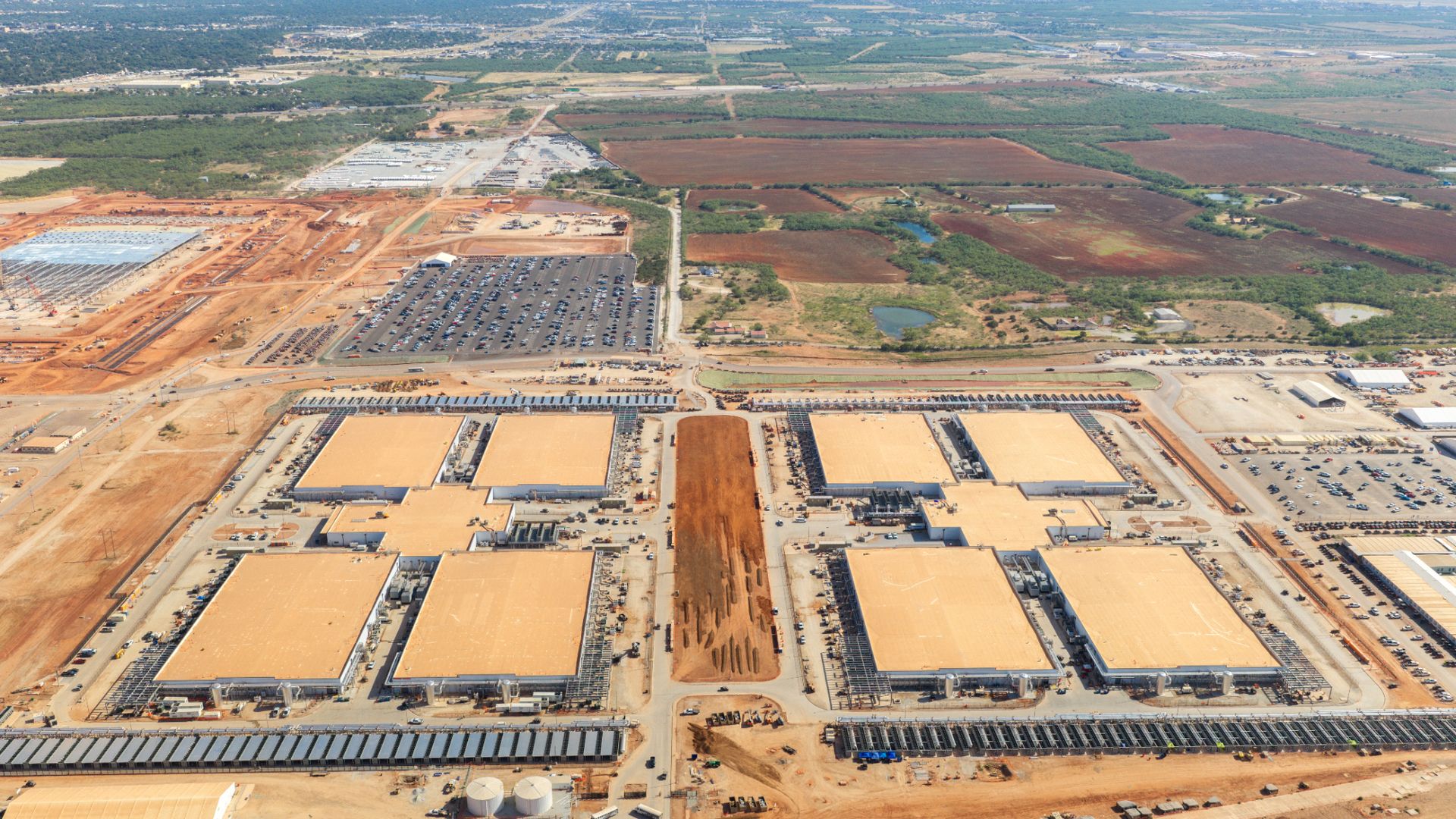
TechCrunch reports that Anthropic bought billions of dollars worth of natural gas turbines in a deal that could give it buyer's remorse. The figure is $3.4 billion. This is the clearest example of the pattern: a purchase that solves an immediate need, compute capacity, while creating a longer-term exposure that the buyer may not fully control. Turbines are not a software licence. They are physical commitments with fuel, siting, maintenance and regulatory consequences, and the buyer's remorse framing in the TechCrunch report is a reminder that the terms of an energy deal are set by forces outside the negotiating table. For US technology companies, the deal signals that AI capacity is increasingly being secured through long-lived physical assets rather than flexible cloud arrangements. That shifts risk onto the balance sheet and away from the vendor. For the US market, the concentration of AI demand into natural gas procurement raises questions about price and availability that consumers ultimately absorb through electricity and through the cost of the services they buy.