The smartphone has quietly changed jobs. It is no longer just the product people buy; it is the infrastructure that other products are built on top of. Three recent stories on this beat point at one pattern: companies keep pushing new experiences outward into new devices and software, while the phone underneath remains the single point of dependency, and the most fragile part of the chain.
The Phone as Load-Bearing Wall
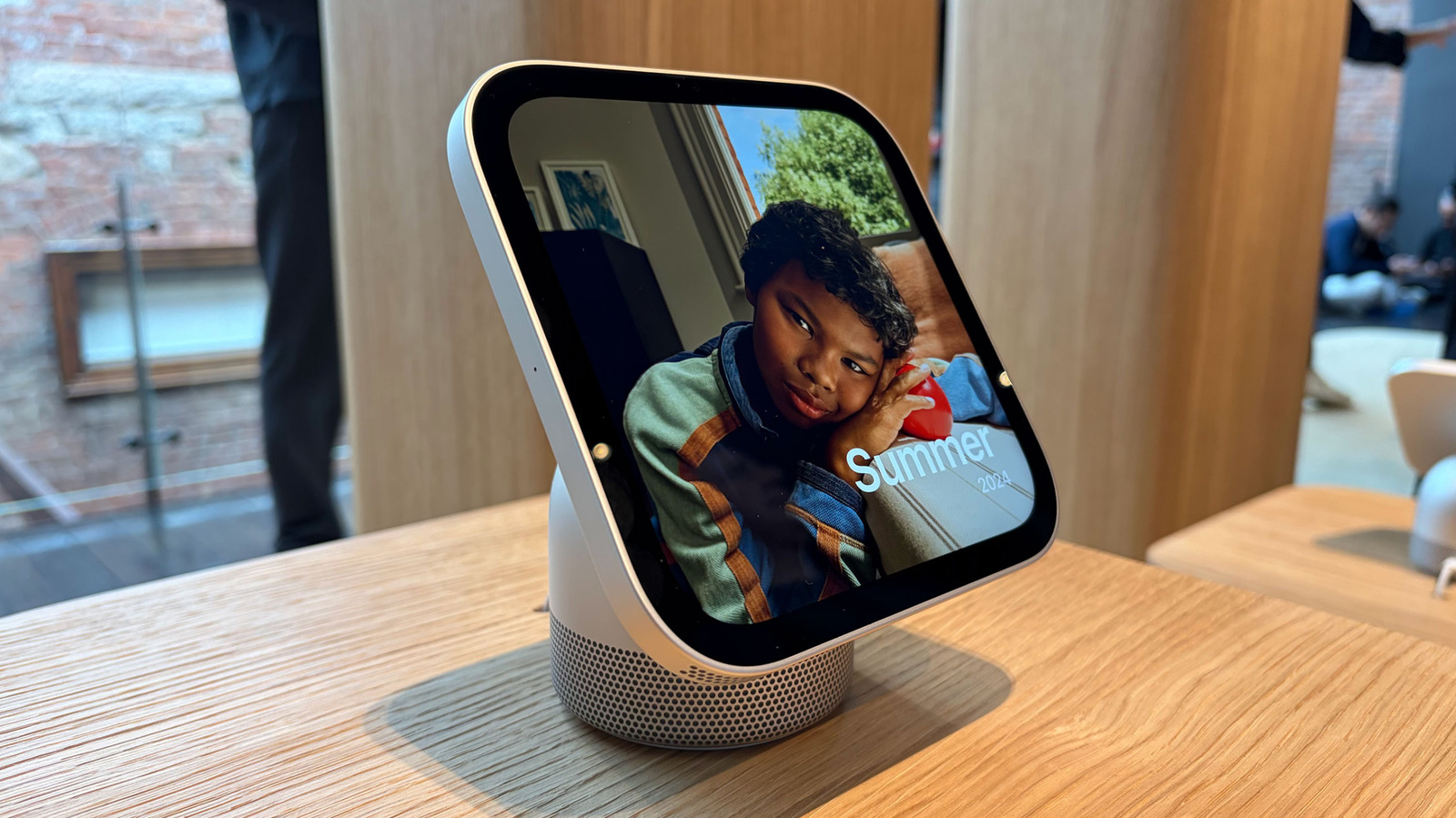
Engadget's report on Apple's HomeView makes the dependency explicit. The pitch is a device that is both personal and communal, and to get there, Apple had only one place to go: the iPhone. That is a design choice, but it is also an admission. A product meant to live in a shared space still routes its personalization and its sense of identity through a device that belongs to one person. The HomeView is not standing on its own; it is leaning on the phone.
This is the same pattern that has defined the smartphone business for a decade, now extending into categories that companies would prefer to present as independent. The phone is the account, the credential, the setup wizard and the sync layer. When an analyst looks at a new device like the HomeView, the interesting question is not what the device does. It is what happens when the phone it depends on is old, offline, replaced or in the wrong room.
Durability Is Now a Platform Question
CNET's folding test of the iPhone Duo puts the other half of the pattern on the record. The outlet built a machine and folded the phone around the clock; after three weeks and more than 400,000 folds, the hinge showed its first major sign of wear. That result is not a scandal. It is a reminder that the most ambitious phone designs put mechanical stress exactly where the ecosystem is weakest, because everything else is expected to attach to this device and keep working.
A hinge failure is not just a hardware repair. For a user whose identity, payments, messages and home controls are anchored to that phone, the hinge is a platform dependency wearing a mechanical costume. The CNET test is useful precisely because it treats the phone as a consumable component rather than a permanent fixture. If the phone is the load-bearing wall, then its wear and tear is a systemic risk, not a personal inconvenience.
The Compatibility Tax
ZDNET's reporting on Google's Pixel Tag tracker adds a third dimension: the phone's age and specification now determine which features of adjacent products work at all. Several of the tracker's best features require a Bluetooth 6.0-compatible device, according to ZDNET, which published a list of which phones qualify. This is the dependency running in reverse. The accessory is new, but the experience is gated by the handset already in the customer's pocket.
That is a familiar dynamic in the US market, where carrier installment plans stretch phone replacement cycles and a large share of customers keep handsets well past their launch window. When a tracker's best features are reserved for newer Bluetooth hardware, the practical message is that the accessory is only as good as the phone. Google is not alone in this; it is simply the most recent example of a company shipping a product whose ceiling is set somewhere else in the stack.


