The smartphone is being repositioned, quietly and from several directions at once, as an accessory to the rest of the technology a household owns. Recent coverage of Apple TV's remote-finding feature, cruise-ship roaming charges, and Sony's retreat from the US Xperia market all point at the same thing: the phone's value is increasingly defined by what it lets its owner do with, or avoid, everything else. For US consumers and the companies selling to them, that reframing changes what a phone is for, what it is worth, and which brands can afford to stay in the market.
The Phone as a Finder of Other Things
Engadget reports that Apple TV now lets an iPhone locate a lost remote, with onscreen prompts that guide the user closer until the remote is found somewhere in the home. The mechanics are unremarkable on their face; the implication is not. A flagship handset here is not the product being sold so much as the instrument that makes another product usable again. Apple is leveraging the phone's radios, screen, and familiarity to solve a mundane problem belonging to a different device category.
This is a meaningful shift in how hardware ecosystems compete. The phone becomes the universal remote, the setup wizard, the diagnostic tool, and now the lost-and-found service for the home. Each of those functions makes the phone stickier without making the phone itself more capable in any dramatic way. The benefit accrues to the ecosystem owner, because every additional task routed through the handset raises the cost of leaving it. For US buyers weighing a switch, the question becomes less about camera specs and more about how many of their other devices would stop cooperating.
Charges That Arrive Without a Call
Engadget also notes that maritime cellular networks can generate roaming fees on a cruise without a single call or text, and that Airplane Mode is the straightforward defense. The detail worth pausing on is that a phone can incur cost while its owner believes it is idle. Background data, automatic syncing, and the simple act of the handset connecting to a network the user never chose are enough to produce a bill.
This is a consumer-protection story dressed as a travel tip. The smartphone has become a financial instrument in ways carriers do not always surface clearly, and the burden of vigilance sits with the user. In the US market, where plan structures and roaming terms vary widely, the practical advice reduces to a setting most people treat as an inconvenience rather than a money-saving tool. That the fix is so simple does not make the underlying problem less revealing: the phone is exposed to commercial relationships, in this case maritime networks, that the owner never consciously entered.
When a Brand Leaves the Shelf
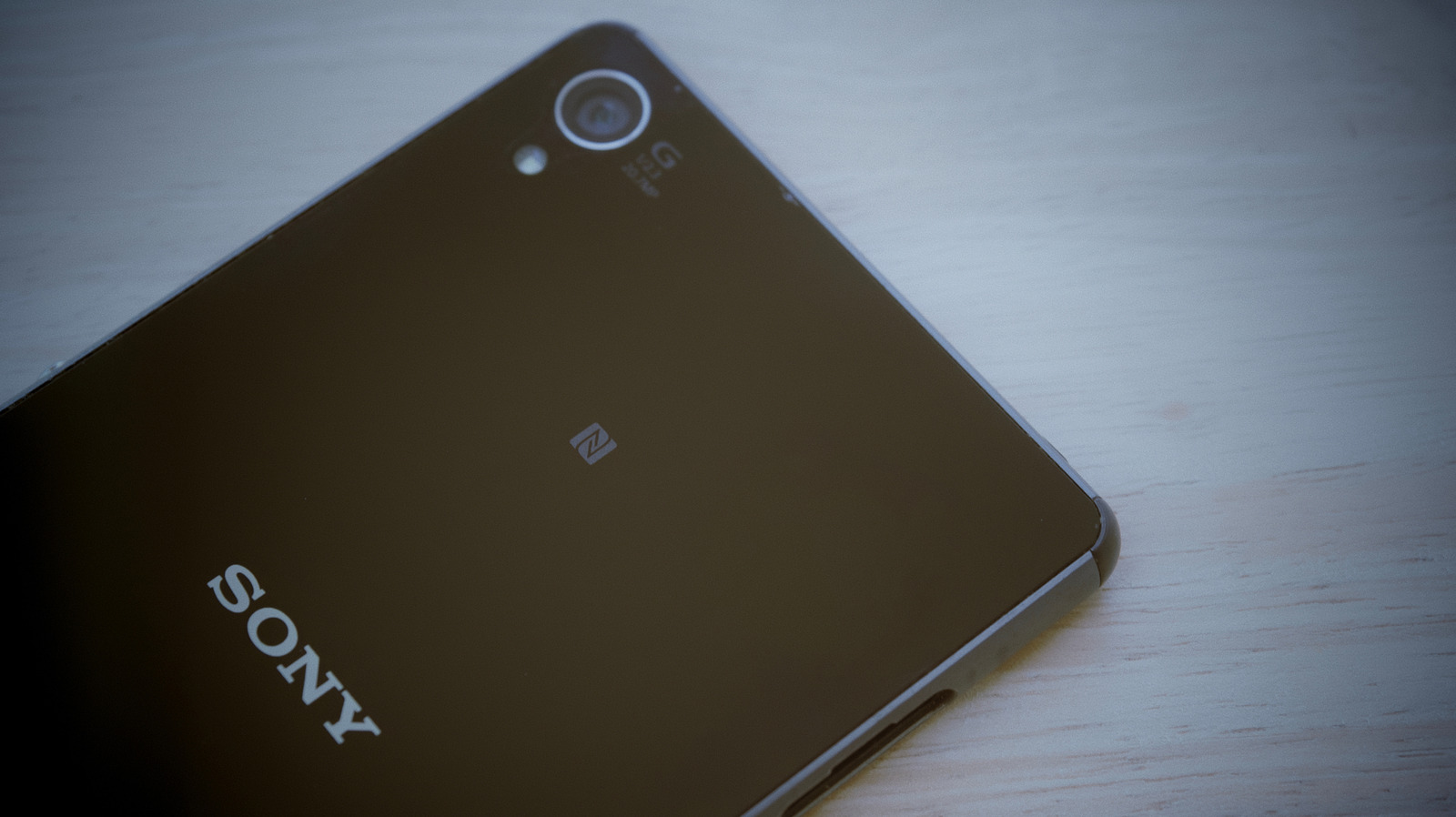
Engadget's retrospective on Sony Xperia phones makes the third point. Sony, per that reporting, appears to have a hand in virtually every device category, yet the Xperia line has vanished from the American market, a fact noted specifically as one that true fans recognize. The story is framed as a disappearance, and that framing is accurate: the product did not fail loudly in the US so much as stop being available to people who might have wanted it.
The lesson connects directly to the first two stories. A phone that is merely a good handset competes on specifications and price in a crowded US field. A phone that anchors an ecosystem competes on switching costs, services, and the accumulation of small conveniences. Sony's strength lay in hardware and in a broad device portfolio, but breadth across categories is not the same as an integrated system that gives the phone a job beyond itself. In a market where the leaders can point to features like locating a lost streaming-box remote, a standalone handset carries a heavier burden of justification.