The four stories on this desk share one thread: the thing a buyer pays for is increasingly not the hardware alone. A leaked Lenovo handheld, a punishing iFixit teardown of Apple's HomeView, an iPad recovery-mode guide and a PS5 firmware requirement for GTA VI all describe the same shift. The device is the entry ticket; software locks, serviceability and vendor terms decide whether it stays useful.
The Price Tag Sits on the Wrong Part
The Lenovo story, as The Verge reported, is about a leaked Legion Go Beam that could be the affordable handheld buyers need. The framing matters more than the leak. The Verge noted that it had seemed Lenovo gave up on handheld gaming PCs, hiking the Legion Go 2 and Legion Go S even higher than other RAM-starved competitors, with a decent one easily costing $1,000 if not $2,000 now.
That is a striking number for a category that once sold on value. The cost pressure the Verge attributes to RAM scarcity is real, but the consequence is structural. When a capable handheld drifts toward the price of a laptop, buyers start judging it on ecosystem, software support and resale rather than raw specs. A cheaper model from Lenovo would not simply undercut rivals. It would test whether the category can still compete on hardware economics at all. For US consumers, the practical question is whether the affordable tier survives, or whether handhelds become a premium niche priced like secondary computers.
Repair Is Becoming a Feature, Not a Right
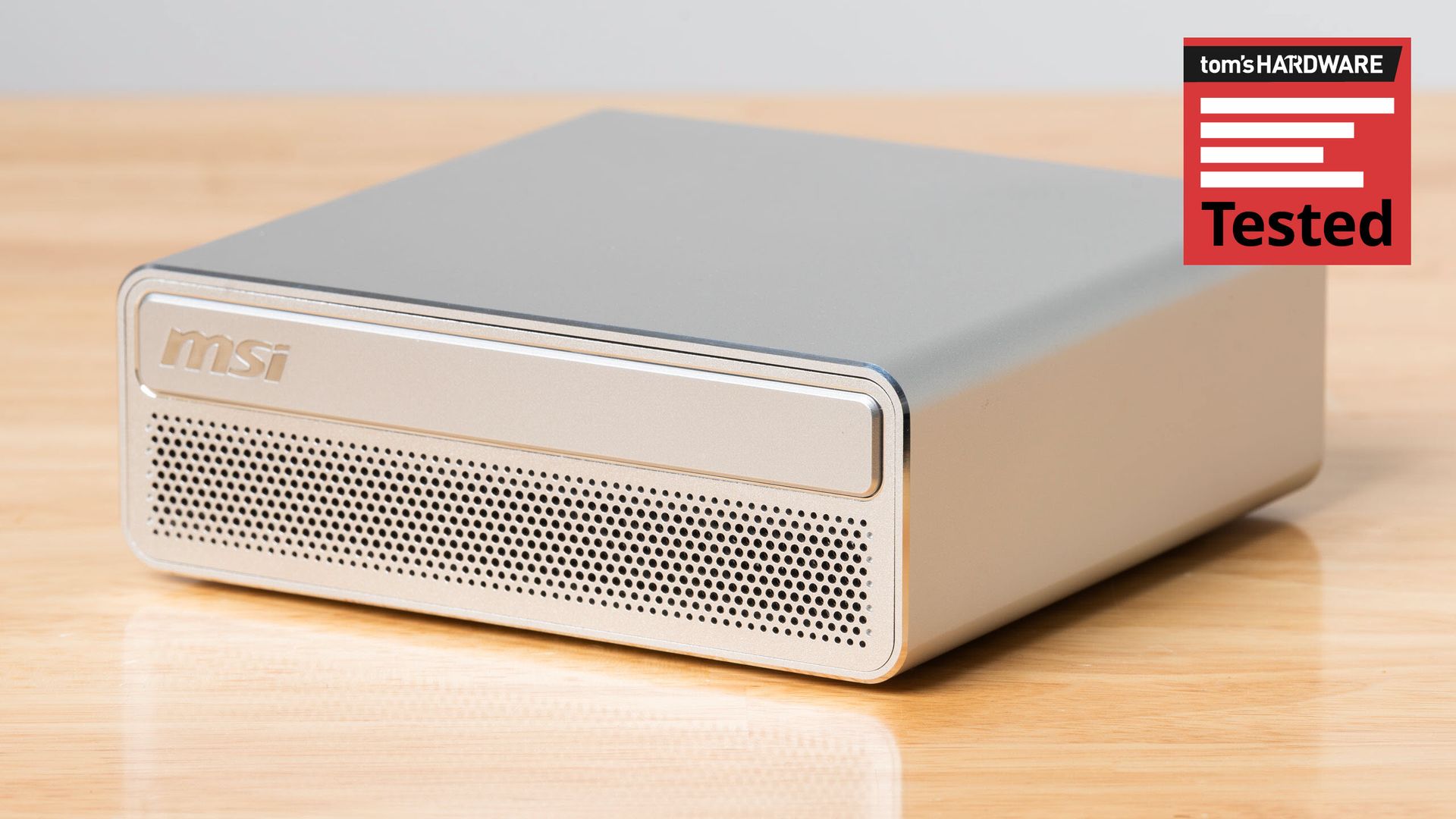
iFixit's teardown of Apple's HomeView hub carries the sharper warning. As The Verge reported, iFixit had found recent iPads and HomePods much easier to disassemble for battery replacements and other repairs, and assumed the HomeView, which looks like a seven-inch tablet stuck to a smart speaker, would follow. The reality was much different.
The pattern here is inconsistency rather than a single design philosophy. A company can improve repairability on one product line and regress on another in the same period. For buyers, that means repair friendliness cannot be inferred from brand reputation or from last year's grades. It has to be checked product by product.
The US angle is concrete. A hub-style device that is hard to open tends to become disposable once a battery degrades or a component fails, regardless of how well the rest of it works. That pushes cost onto owners and feeds the e-waste stream. It also strengthens the case for state right-to-repair rules and for labelling that tells shoppers what they are actually getting. None of that is settled, but a teardown like this is the kind of evidence those debates run on.
Software Is the Longest Lease
The PS5 story is the cleanest example of the thread. As Engadget reported, players will need the latest PS5 firmware update to play GTA VI. That is a small sentence with a large implication: ownership of a disc or a download does not guarantee access to a major release. The console's update pipeline sits between the buyer and the game.
Most of the time this is invisible. It becomes visible when a console has been offline for months, when a household shares a system, or when a buyer picks up hardware second-hand. The US market has spent two decades moving toward digital distribution and always-connected consoles. That trade has delivered convenience and frequent patches, but it has also made the vendor's software state a precondition for using hardware people already paid for. A blockbuster release is simply the moment the dependency becomes impossible to ignore.