📣

Advertisement

Google Ad - 970×90 Leaderboard  TOP_LEADERBOARD_4

The Privacy-Standard Settling in Every Gadget Tier

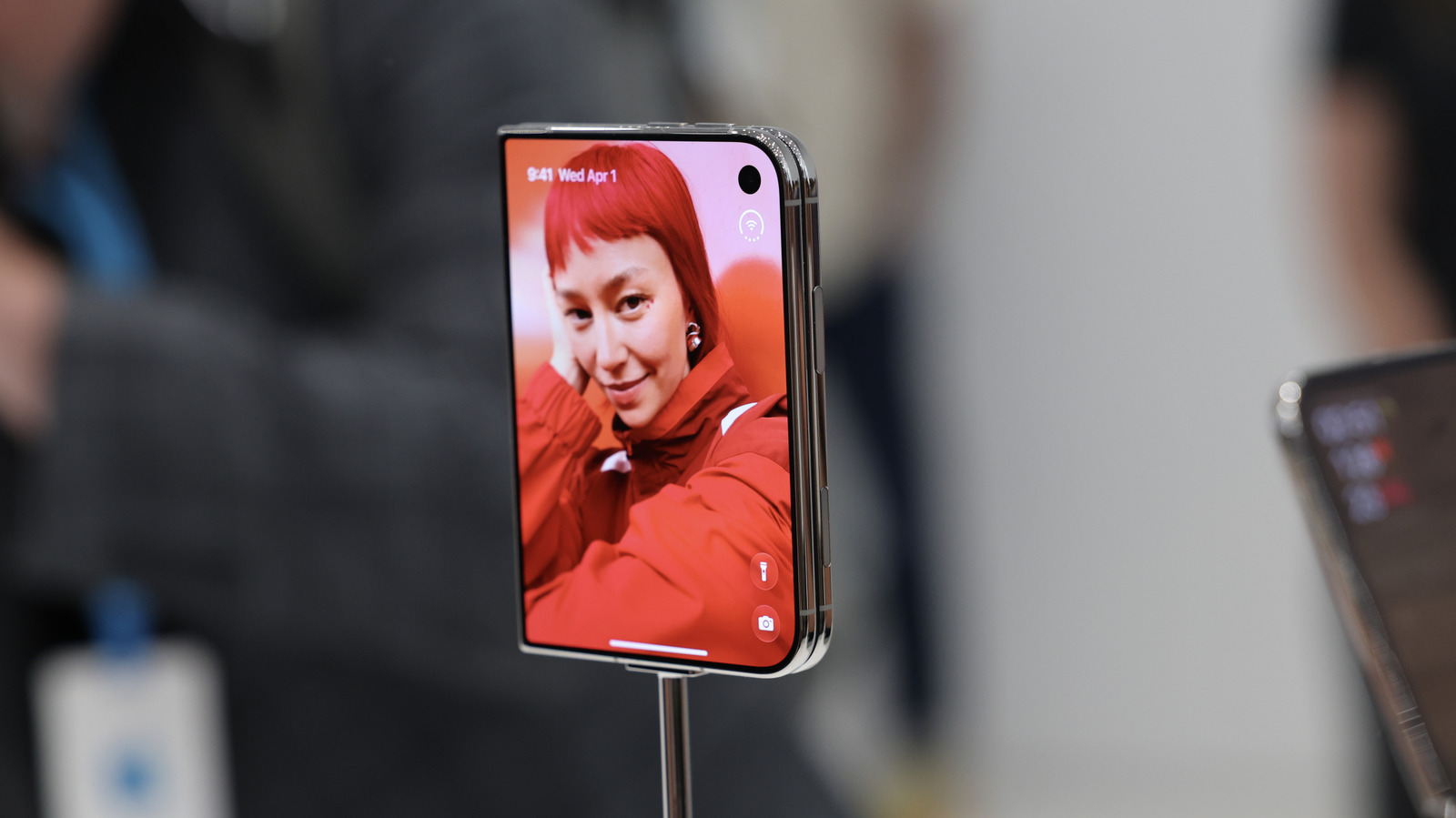
Photo: TechCrunch

Article

The Privacy-Standard Settling in Every Gadget Tier

Arjun NairSeptember 2, 20266 min read
📣

Advertisement

Google Ad - 970×90 Leaderboard  TOP_LEADERBOARD_4

The Thread

The gadgets that define the current market are not competing on radical invention; they are converging on a settled, safe product formula - familiar colors, proven screen technologies, and incremental spec bumps - while the one genuinely new sensor class, the wearable camera, is being met with regulatory resistance before it can even reach consumers. That single thread runs through the Norway proposal, Dell's new student laptop, Roku's first OLED televisions, and Apple's reported iPhone color plans. For the US market, the implication is straightforward: the industry is optimizing for lower risk and broader reach, and the only truly disruptive feature in circulation is the one that governments are most willing to ban.

The Standardization of the Midrange

Dell's announcement at IFA 2026 of the 14S, as reported by The Verge, is a case study in how little differentiation now exists between the top of the midrange and the bottom of the premium. The 14S comes in four colors, targets students, and starts with 8GB of RAM and 256GB of storage - specifications that would have been considered entry-level a few years ago now define a machine positioned "below the recently launched XPS 13." The Verge's own observation that the laptop "sounds a lot like a MacBook Neo" is not an accusation of copying; it is a recognition that the entire category has settled on a common language: four color options, student-friendly price, and a baseline of memory and storage that is no longer a differentiator. The American consumer shopping for a laptop in this segment is not weighing exotic features; they are comparing which brand executes the same formula with slightly better software integration or keyboard feel. The 14S is a sign that the industry has stopped trying to surprise the buyer and instead aims to reassure them.

OLED Moves Downstream

Roku's entry into OLED, also reported by The Verge, follows the same pattern but in a larger screen. Until recently, the midrange OLED shelf was occupied by only LG and Samsung; Sony's Bravia 6, announced last week, expanded that field, and now Roku's Pro Series and the forthcoming Pro Series LX arrive to push the technology further down the price curve. This is not a new screen category; it is the maturation of one. The significance for US television buyers is that OLED - once a premium-only feature - is becoming the default choice in the midrange, which means the differentiator between brands will move to software, interface, and smart-TV integration. Roku, which built its reputation on an operating system, is now selling the same panels as its rivals but with a different user experience layered on top. The hardware has standardized; the experience is the battleground. For American consumers, the result is more OLED options than ever, but also fewer reasons to be loyal to a specific panel maker.

The Color Psychology of the Flagship

The report from CNET that Apple's iPhone 18 Pro may be offered in black but skip silver is, on its surface, a small detail. But in the context of the other stories, it reveals a deeper pattern: even at the flagship tier, product decisions are becoming exercises in palette management rather than architectural leaps. CNET notes that the next Pro lineup might not repeat any colors from the current generation and that silver is reportedly not in production. That suggests Apple believes the strongest hook for an upgrade is not a new chip or a redesigned camera module that it is willing to talk about, but a new colorway that distinguishes the new model from last year's in a glance. For the US market, where iPhones are the default high-end device, this is a quiet admission that hardware innovation has plateaued in the eyes of the company's own product planners. Color is the least risky way to refresh a product: it costs little in R&D, it does not require new manufacturing processes, and it creates an immediate visual difference for existing owners deciding whether to upgrade. But it also signals that the intensity of annual innovation has cooled.
Advertisement

📣

728x90

MID_CONTENT_2

The Regulatory Speed Bump

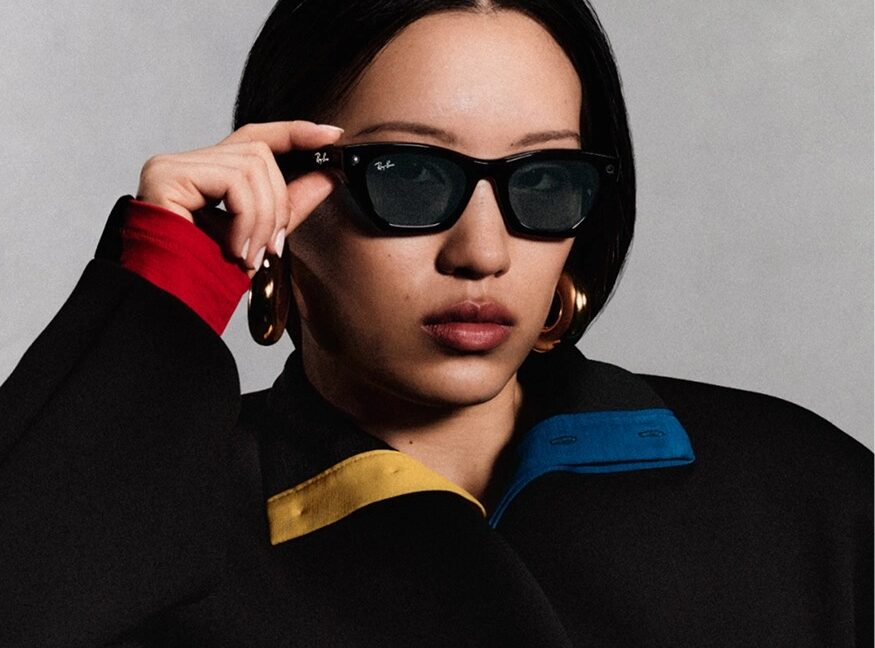
The one category where hardware is not converging on a familiar formula is the wearable camera headset. TechCrunch reported that Norway is considering a ban on camera-enabled wearable headsets, which the country's regulators describe as "pervert glasses" because of their privacy risks. This is a different kind of standardization - not of features, but of legal boundaries. While laptop, television, and phone makers are all rushing to occupy the same safe middle ground, the camera headset sits outside that comfort zone precisely because it introduces a sensor that records without a visible sign to those being recorded. The US market, which has no federal equivalent proposal cited in the logged stories, is left in an ambiguous position: camera wearables remain legal in most states, but the Norwegian debate signals that consumer discomfort with always-on recording is not a regional outlier. For American technology companies, this is the sharpest lesson in the batch: a new product category can be strangled at birth not by market forces but by a broader societal consent that has not yet caught up with the hardware. The fact that Norway is acting - while Dell, Roku, and Apple sell to the same affluent, privacy-conscious consumers - suggests that the next big gadget fight will not be over specs, but over whether the device should exist at all.

What the Pattern Means for the US

For an American market that is the primary sales ground for Dell, Apple, Roku, LG, and Samsung, the convergence is a double-edged sword. On the one hand, consumers benefit from falling prices and proven reliability: a student can buy a 14S with confidence; a family can buy a Roku OLED without worrying about a nascent panel technology; an iPhone user can choose a black handset knowing that the camera works in the same way it did last year. But the absence of a genuinely new input method or display paradigm - with the exception of the contested camera headset - means the next two to three years will be characterized by refinement, not revolution. US technology companies will compete on the margins: warranty terms, trade-in values, interface tweaks, and the occasional new color. The regulatory question posed by Norway, meanwhile, hangs over any US startup that wants to ship a camera embedded in a hat, a necklace, or a pair of glasses, because while American law is permissive, the social license is not.

What to Watch

The stories suggest two areas of focus. First, watch whether Apple's color change becomes a recurring strategy rather than a one-off: if silver returns to the Pro lineup within 18 months, it would confirm that the company is rotating a small set of hues to simulate novelty. Second, watch whether any US state or federal agency follows Norway's lead on camera wearables - either by proposing a similar ban or by drafting a body-camera-style rule for civilians. If regulators act, the only radically new input device in the current pipeline will be confined to enterprise or specialty uses, leaving the consumer market to the comfortable convergence described above. If they do not act, the US may become the single large market where that product can grow - which would set up an interesting contrast with the rest of the developed world. For now, the safest bet for any US consumer is that the most interesting technology news of the next six months will be about who is allowed to sell the hardware, not what the hardware can do.


Sources: TechCrunch (Norway wearable camera ban), The Verge (Dell 14S; Roku OLED), CNET (iPhone 18 Pro colors).

More on this beat: Gadgets on TechManNews.

Advertisement

📣

728x90

IN_ARTICLE_5

#consumer tech#privacy#OLED#laptops#smartphones#regulation

Newsletter

Get Tech News in Your Inbox

The latest AI, gadgets, software and startup stories from TechManNews, delivered every morning - free.