The past 48 hours of software news look unrelated: an Apple executive stepping back, a massive Steam leak, Android privacy upgrades, a Windows update breaking mouse settings, and Nvidia blocking a GPU overclocking tool. But a single thread runs through them all: the platforms that define modern computing are entering a period of enforced consolidation, where the companies that own the rails are simultaneously tightening control over their ecosystems and losing the ability to keep those ecosystems stable. For US technology companies and consumers, this is the moment when the cost of platform dominance becomes visible.
Control Is Moving Up The Stack
The most direct evidence is at Apple. As The Verge reported, longtime executive Phil Schiller is stepping down from his roles as head of the App Store and Apple events, keeping only his Apple Fellow title and unspecified initiatives. Schiller was the public face of the App Store's policies for over a decade. His departure does not mean Apple is loosening its grip; it means the grip is moving from a charismatic liaison to a more internal, process-driven operation. The App Store is no longer a frontier to be managed by a single figure - it is a mature tollbooth that runs on rules, not relationships. For US developers, this means less room for appeals to a familiar face, and more reliance on the published terms that have drawn regulatory scrutiny. The change is not a break, but a hardening.
Meanwhile, Valve, the operator of the largest PC game storefront, just experienced a leak of more than 12TB of data, as Engadget reported. The leak includes beta builds and finished games from Valve and third-party developers. That is not a random security lapse; it is a failure of the platform to protect the very content it sells. The same week that Apple is consolidating its storefront leadership, Valve's storefront has effectively been burglaried. The pattern is not about Apple or Valve specifically. It is about the fact that the software industry has concentrated so much valuable intellectual property into single distribution points that a single failure - human, technical, or security-related - has outsized consequences. US consumers who buy games on Steam may not lose money, but they lose trust. And trust is the currency that keeps platform fees justifiable.
The Security Arms Race Now Lives On The Client
Android 17's update, as ZDNET reported, adds broad support for Encrypted Client Hello and a 2G kill switch. These are not flashy features; they are architectural changes that make it dramatically harder for network snoops and SMS interceptors to see what a phone is doing. This is a response to a decade of surveillance and SIM-swapping attacks that have harmed US consumers. But the deeper meaning is that security is no longer a feature - it is the price of admission. And it is being implemented by the platform owner, not the user. Google is deciding, on behalf of every Android user, that the 2G network is too dangerous to keep enabled without explicit action. That is a quiet but profound shift in who controls the device. The user still owns the hardware, but the platform now owns the security policy. For US consumers, this is generally good news - those 2G attacks are real - but it also normalizes the idea that the software provider, not the owner, decides what is acceptable.
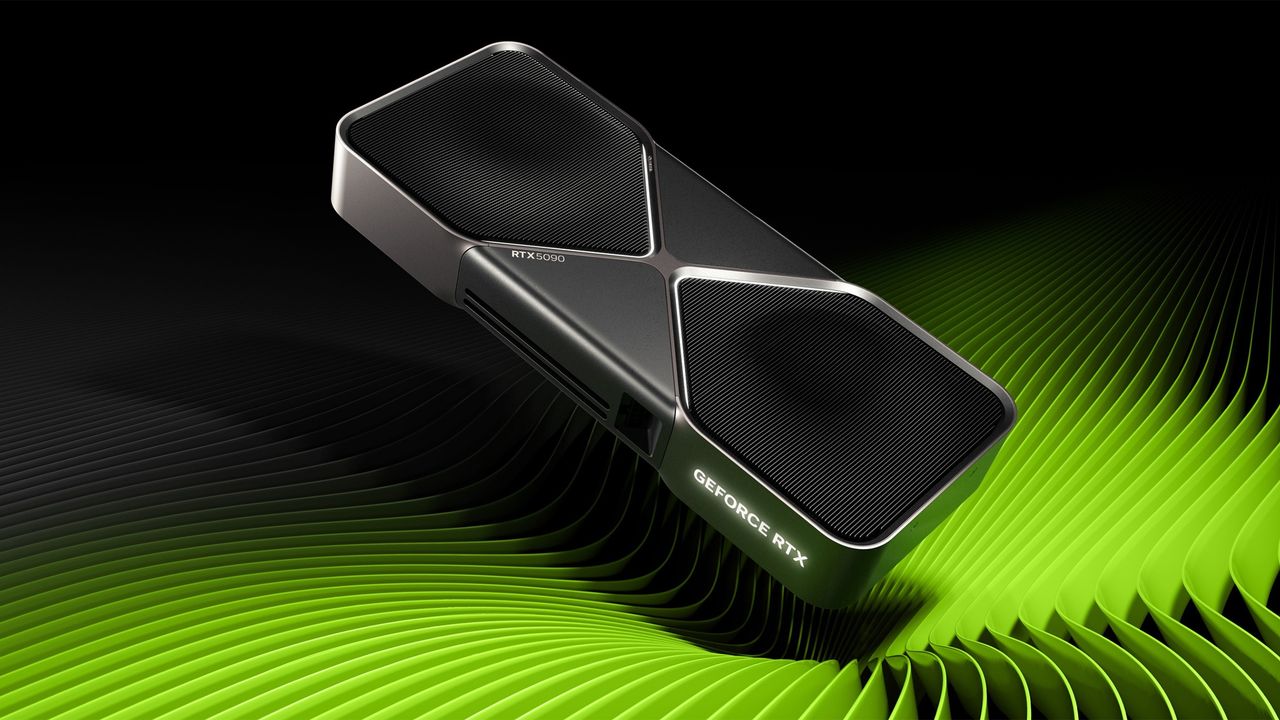
This same logic applies to Nvidia's latest driver update, which Tom's Hardware reports breaks the open-source overclocking utility mVolt+. The utility allowed users to push RTX 50-series GPUs to a 700W power limit without hardware modifications. Nvidia's driver now hard crashes the moment a user tries to adjust that limit. The report notes it looks like a driver conflict rather than a deliberate blacklist, because another app, Hydra 2.3B Pro, still works. But to a US gamer or PC enthusiast, the effect is identical: the hardware they bought no longer works the way it did a week ago, and the vendor controls the software that defines the hardware's behavior. The platform has extended its reach from the storefront to the silicon. This is not new, but it is accelerating. Every driver update is a potential policy update.