The Thread
Three stories logged this week on the operating systems beat point in one direction: the operating system is being redefined as a delivery mechanism for services rather than as the product itself. Microsoft is folding cloud galleries into Windows, Google's PC ambitions are being judged against Android rather than against Windows, and the Linux kernel's most important maintainer has started using AI to write its code. In each case, the thing that used to be the point of an OS is being subordinated to something layered on top of it.
Windows Becomes a Gallery Window
The Verge reports that Microsoft has redesigned the Photos app for Windows 11, overhauling the editor and viewer and combining photos and videos from a PC, OneDrive, and iCloud into a single space. On its face this is a consumer app update. Read against the operating system beat, it is something more pointed: a first-party Windows application whose primary job is to aggregate content that mostly does not live on the Windows machine.
That is a meaningful choice. For most of the PC era, the operating system's bundled apps existed to demonstrate what the platform could do locally. The new Photos app exists to make the local device one input among several, and to make the account the organizing principle. The Verge notes the combined gallery is meant to reduce jumping between apps and devices, which is a real user benefit and also a real platform benefit: the more that Windows users see OneDrive and iCloud content in a Microsoft surface, the less the device's own storage matters to how they experience the system.
For US consumers, this is mostly friction reduction, and the trade is legible. Galleries that span services are useful precisely because households have scattered across them. For US technology companies, the competitive question shifts. If a Windows box is a good place to view an iPhone user's iCloud library, then the operating system is competing less on exclusive features and more on how gracefully it hosts rivals' accounts.
Google's PC Problem Is an OS Problem
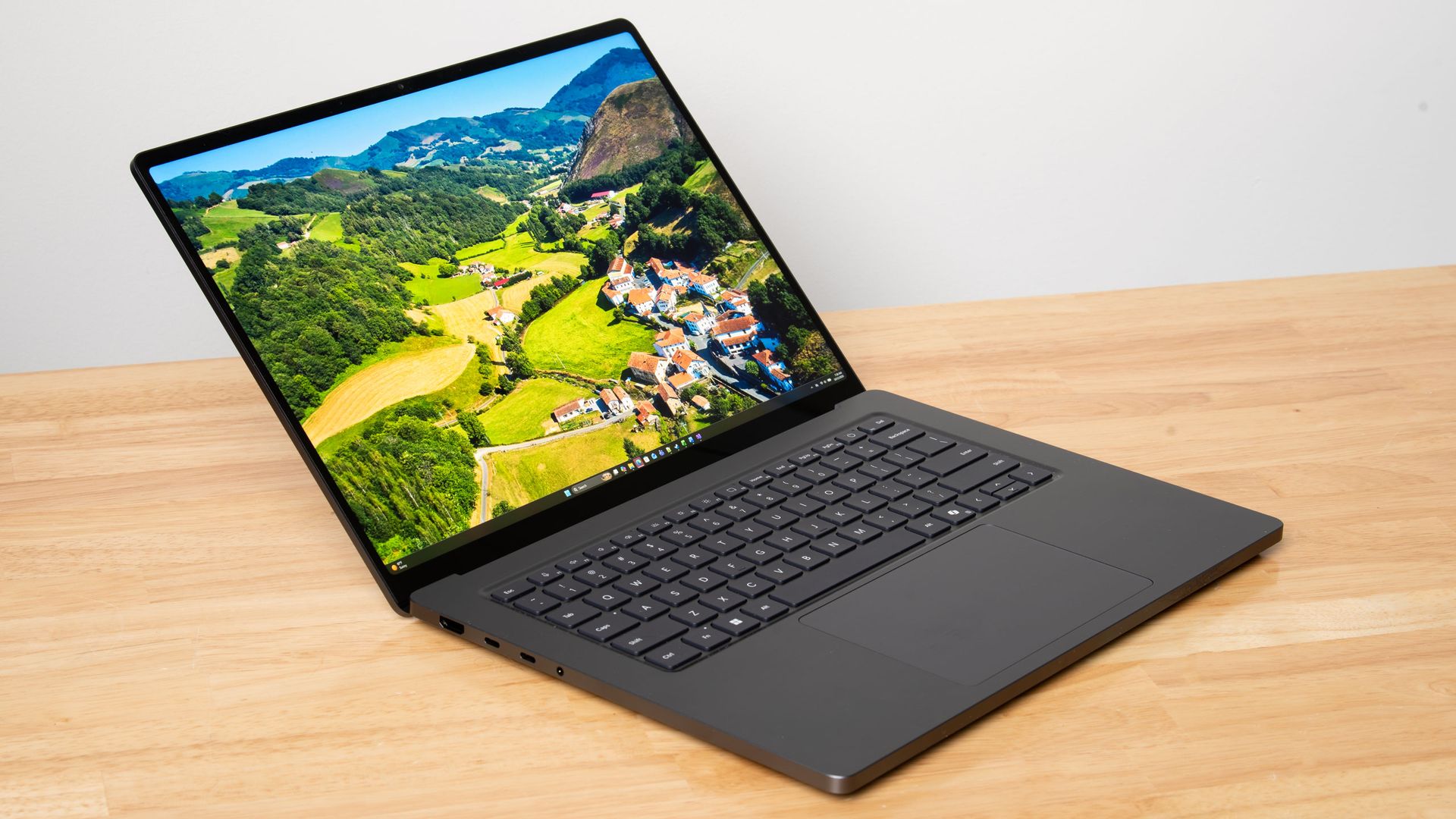
Tom's Hardware tested Googlebooks from Dell, Lenovo, and HP and reached a conclusion that belongs squarely on this beat: nice hardware, but the OS is not ready. The specific criticism is that Googlebook OS needs a lot of love before it feels like anything other than Android on a PC.
That framing is the whole story. A new PC platform from three of the largest US PC manufacturers ought to be evaluated on its own terms. Instead, the reference point is Android, which tells you that the operating system is not yet generating an identity strong enough to be judged independently. The hardware makers did their part; the software layer did not.
This matters for the US market because the PC category has been unusually stable for years, and any serious third entrant depends on the operating system feeling like a deliberate product rather than a port. The Tom's Hardware verdict also illustrates a risk in the broader pattern: when an OS is positioned as a portal to services rather than as a distinct computing environment, it has to be very good at the portal role, because it is not offering anything else to hold onto. Android on a PC, in that reading, is a service surface that has not yet earned the right to be a platform.