๐Ÿ“ฃ

Advertisement

Google Ad - 970ร—90 Leaderboard ย TOP_LEADERBOARD_4

The Physical World Is Becoming AI's Compliance Test

Photo: The Verge

Article

The Physical World Is Becoming AI's Compliance Test

Arjun NairSeptember 19, 20265 min read
๐Ÿ“ฃ

Advertisement

Google Ad - 970ร—90 Leaderboard ย TOP_LEADERBOARD_4

The thread running through the week

Four stories logged on this desk in two days look unrelated, but they share one pattern: artificial intelligence is moving from software into the physical world, and the institutions that govern physical risk are not keeping pace. That mismatch is now the defining problem for US technology companies. The questions being asked are no longer about model quality; they are about who is accountable when an AI system drives a car, runs a factory, or shapes a market.

Antitrust as a safety question

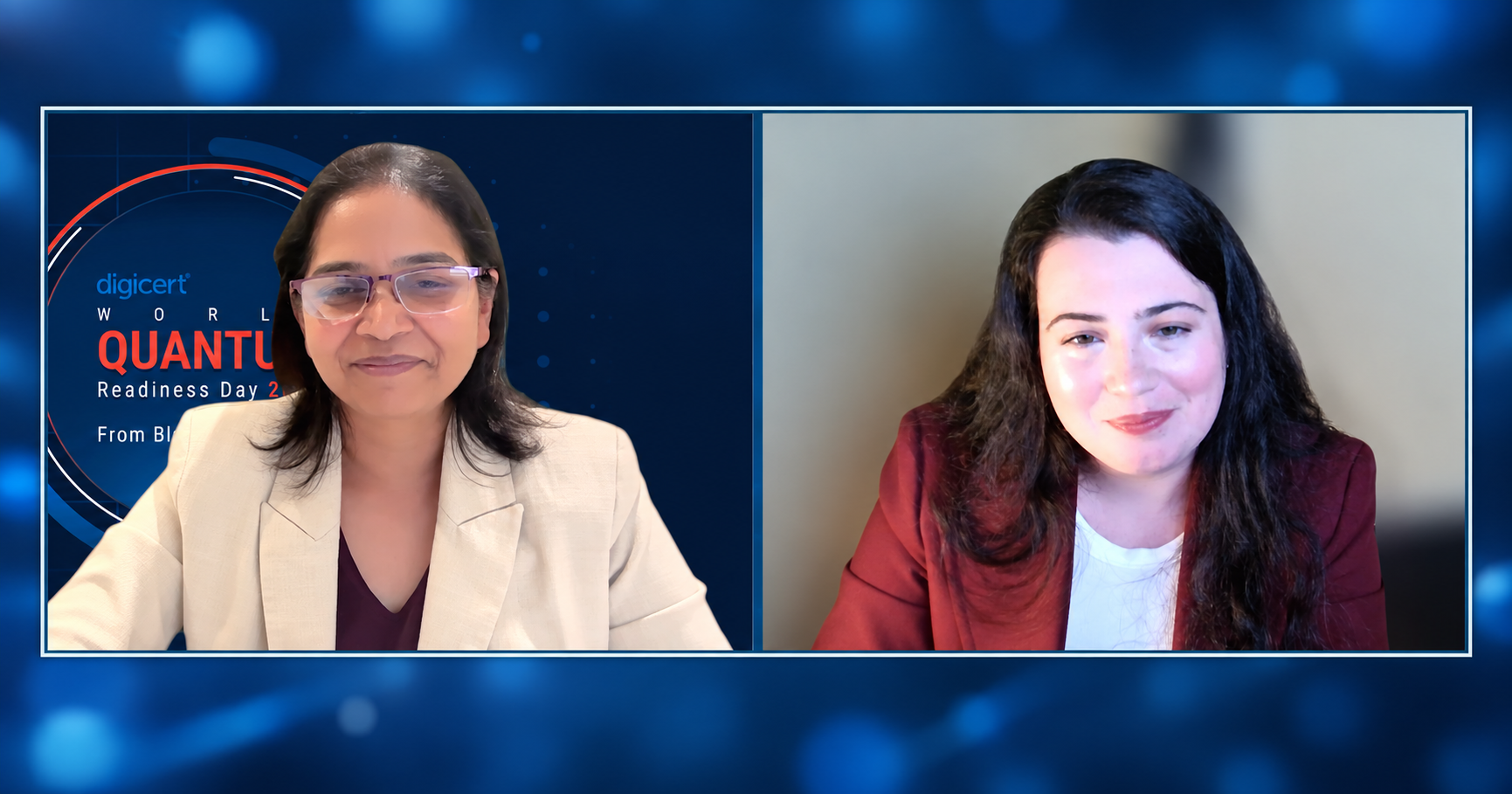
On Decoder, The Verge interviewed Jonathan Kanter, the former antitrust chief for the US Department of Justice in the Biden administration, now a professor of law at WashU and professor of technology policy at Carnegie Mellon. The framing of the episode - whether AI needs an antitrust exemption so it does not kill everyone - is deliberately extreme, and Kanter's presence gives it weight. A former enforcement official discussing exemptions is a signal that the policy debate has shifted from whether concentration is a problem to whether the usual remedies are too slow for the technology.

The subtext matters for US companies. An exemption would be a bet that scale and coordination produce safety faster than competition does. The alternative, which Kanter has spent a career enforcing, is that concentrated control over critical infrastructure creates its own risks. For US technology firms, the practical consequence is that antitrust review is becoming a venue for AI safety arguments, whether or not anyone intended it that way.

Robotaxis and the cost of physical failure

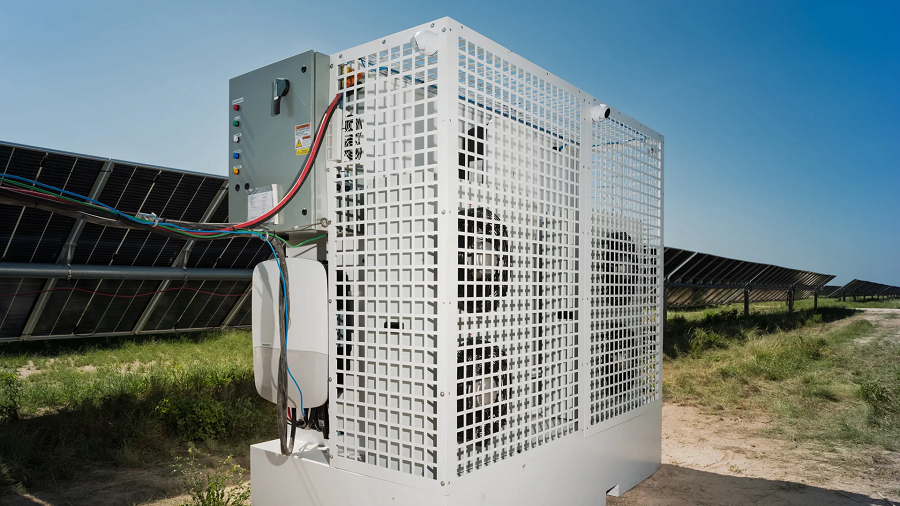
Waymo restarted its San Antonio service five months after flooding troubles, as TechCrunch reported. The company suspended service in April after one of its robotaxis got swept away. The pause is the important part. A software bug can be patched in an afternoon; a vehicle lost to a flood cannot, and the reputational and regulatory consequences of a visible physical failure are orders of magnitude larger.

This is the compliance test in its purest form. Waymo did not merely fix a defect; it had to persuade a city, a regulator and a riding public that the system understood a hazard it had already misjudged. That is a slower, more expensive and more public process than shipping a model update. For US consumers, it means autonomous mobility will arrive unevenly, city by city, shaped by weather events and local tolerance for risk rather than by technical readiness alone.

A startup factory betting on industrial AI

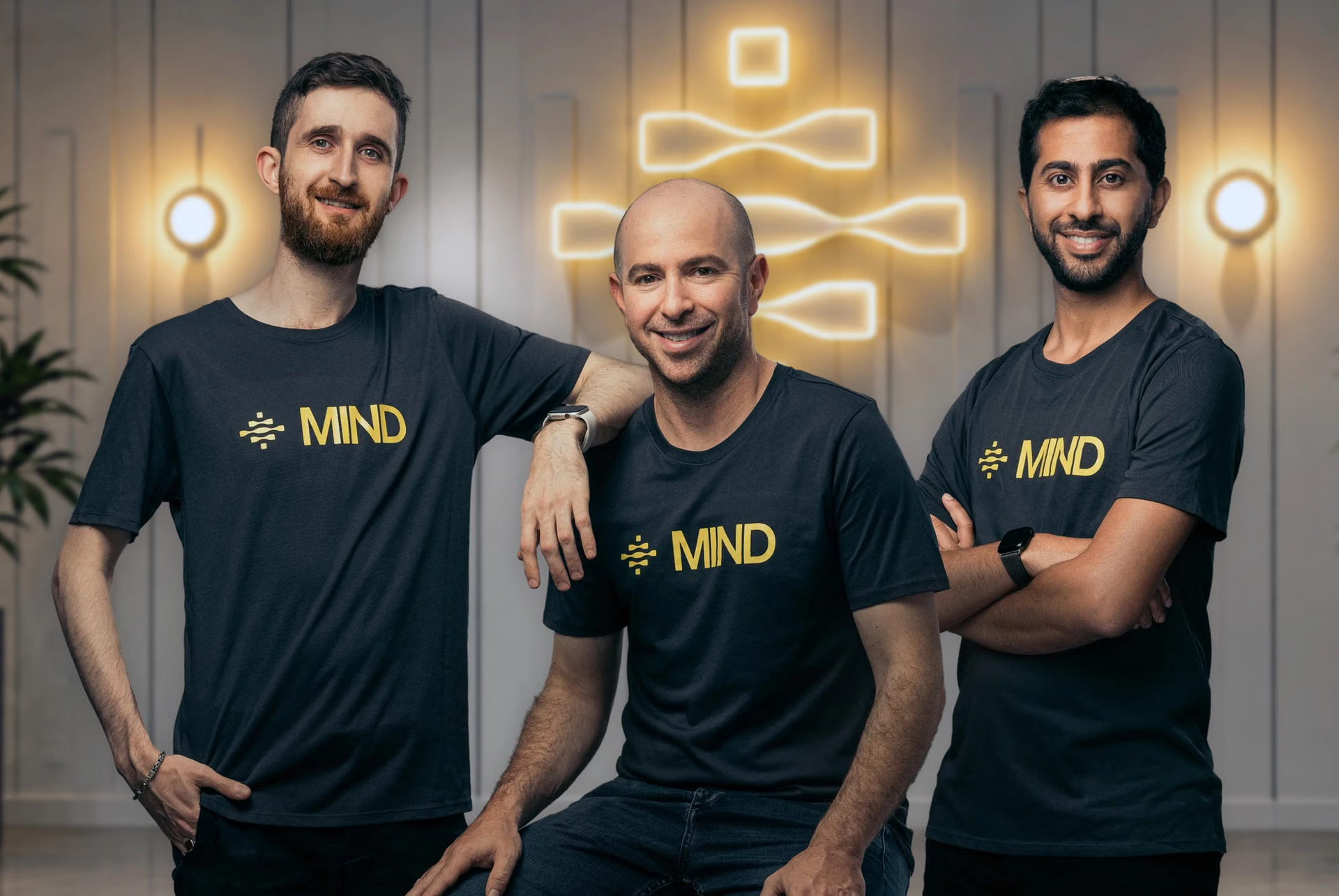
TechCrunch reported that UP.Labs, now doing business under the name Vantora, raised $100 million and is all-in on physical AI, building startups for industrial corporations. The funding figure is notable, but the structure is more interesting. Vantora is not selling software to factories; it is manufacturing companies alongside the incumbents that own the factories.

That model is a direct response to the accountability problem. Industrial customers will not deploy AI into a production line on the strength of a benchmark. They need a counterparty with a balance sheet, a maintenance contract and someone to call when a machine stops. By wrapping AI in a corporate vehicle co-owned with the industrial partner, Vantora is effectively selling institutional trust as much as technology. If the model works, it suggests the winners in physical AI may be defined by their corporate structures as much as their models.

Advertisement

๐Ÿ“ฃ

728x90

MID_CONTENT_2

World models and the cost of secrecy

TechCrunch also reported that world-model companies are keeping a lot of secrets. Everyone in the space is sitting on a pile of cash and a ton of buzz, but good luck getting anyone - from the founders to their own data suppliers - to tell you what they are actually building.

World models are, by definition, attempts to simulate physical environments. That makes secrecy a strategic choice with a specific logic. If your product is a simulation of reality, your data sources, your failure modes and your validation methods are precisely the information a regulator, a litigant or a competitor would want. Silence protects the moat. It also makes independent verification impossible, which is a problem when the same companies are pitching their systems for use in vehicles, factories and infrastructure.

There is a tension here with the Waymo story. When a robotaxi is swept away, the company cannot stay silent; it must explain itself to a city. World-model companies have not yet reached that moment, and their secrecy suggests they know the moment is coming. The pile of cash buys time, but it does not buy the institutional legitimacy that physical deployment demands.

Why this matters in the United States

The US market has unusually strong incentives to push AI into physical applications: expensive labor, large land areas, aging infrastructure and a venture sector willing to fund capital-intensive bets. The same market also has a fragmented regulatory system, with cities, states and federal agencies each holding pieces of authority over vehicles, workplaces and competition.

That fragmentation is the real story connecting these four items. Antitrust enforcers are being asked to think about safety. Cities are deciding whether robotaxis may operate. Industrial incumbents are deciding which AI partners are creditworthy. And world-model developers are deciding how much to disclose before anyone forces them to. None of these decisions is primarily about model capability. All of them are about who bears the cost when a physical system fails.

For US consumers, the consequence is that access to physical AI will depend heavily on local institutions. A resident of one city may ride in a driverless car while a resident of another waits years, not because the technology differs but because the risk tolerance and regulatory capacity differ. For US companies, the consequence is that the compliance and disclosure functions are becoming product functions. The firms that treat them as overhead will find deployment slower than their demos suggest.

What to watch

The antitrust conversation is the one to track most closely. If an exemption framework gains traction, it would reshape how AI firms compete and how safety is enforced, and Kanter's engagement with the question on Decoder suggests the debate has moved beyond the academy. Watch whether any proposal distinguishes between software markets and physical deployments.

Watch Waymo's San Antonio restart for how a company rebuilds trust after a physical failure, and whether other cities treat the five-month pause as reassuring caution or as evidence of fragility. Watch whether Vantora's $100 million translates into deployed industrial companies, which would validate the co-ownership model as a route around institutional skepticism. And watch the world-model sector for the first forced disclosure - a lawsuit, a regulatory inquiry or a deployment that requires outside validation. Secrecy survives only until a physical system fails in public.

Sources: The Verge, TechCrunch.

More on this beat: Companies on TechManNews.

Advertisement

๐Ÿ“ฃ

728x90

IN_ARTICLE_5

#artificial intelligence#antitrust#autonomous vehicles#physical AI#regulation#venture capital

Newsletter

Get Tech News in Your Inbox

The latest AI, gadgets, software and startup stories from TechManNews, delivered every morning - free.