The stories on this desk share one thread, and it is not sector. Manus is raising for independence, Angle Health is profitable, Joby flew a plane across the country without a human taking control, and Microsoft is testing post-quantum certificates in the field. Each is a story about crossing from capability to operation. In 2026, the milestone that matters for US technology companies is not whether the technology works in principle but whether it works in deployment.
Capability Is No Longer the Scarcity
For most of the last several years, the scarce thing in technology was performance. A model that reasoned better, a battery that flew farther, an algorithm that held up against a theoretical adversary. The stories today suggest that scarcity has shifted. Manus, as TechCrunch reported, is seeking a $500 million raise at a $4 billion valuation after breaking off a merger with Meta earlier this year. The valuation is not being attached to a demonstration; it is being attached to the company's ability to resume independent operations. Independence is an operational claim, not a technical one.
Angle Health, also per TechCrunch, reached a $2.7 billion valuation after growing to 5,000 customers and becoming profitable, largely by selling small businesses "level-funded" health insurance. Nothing in that sentence describes a breakthrough. It describes a business that works at the scale it operates at, in a market where the product is far less interesting than the fact that it is sold, administered and renewed. Profitable is the operative word.
Joby Aviation's 3,100-mile autonomous flight, reported by TechCrunch, is the most legible version of the same pattern. The notable fact is not that Joby has autonomy technology. It is that a human never took control at any point during a flight across the United States. The claim is about the absence of intervention over distance. That is an operational claim.
Certification Is the New Product
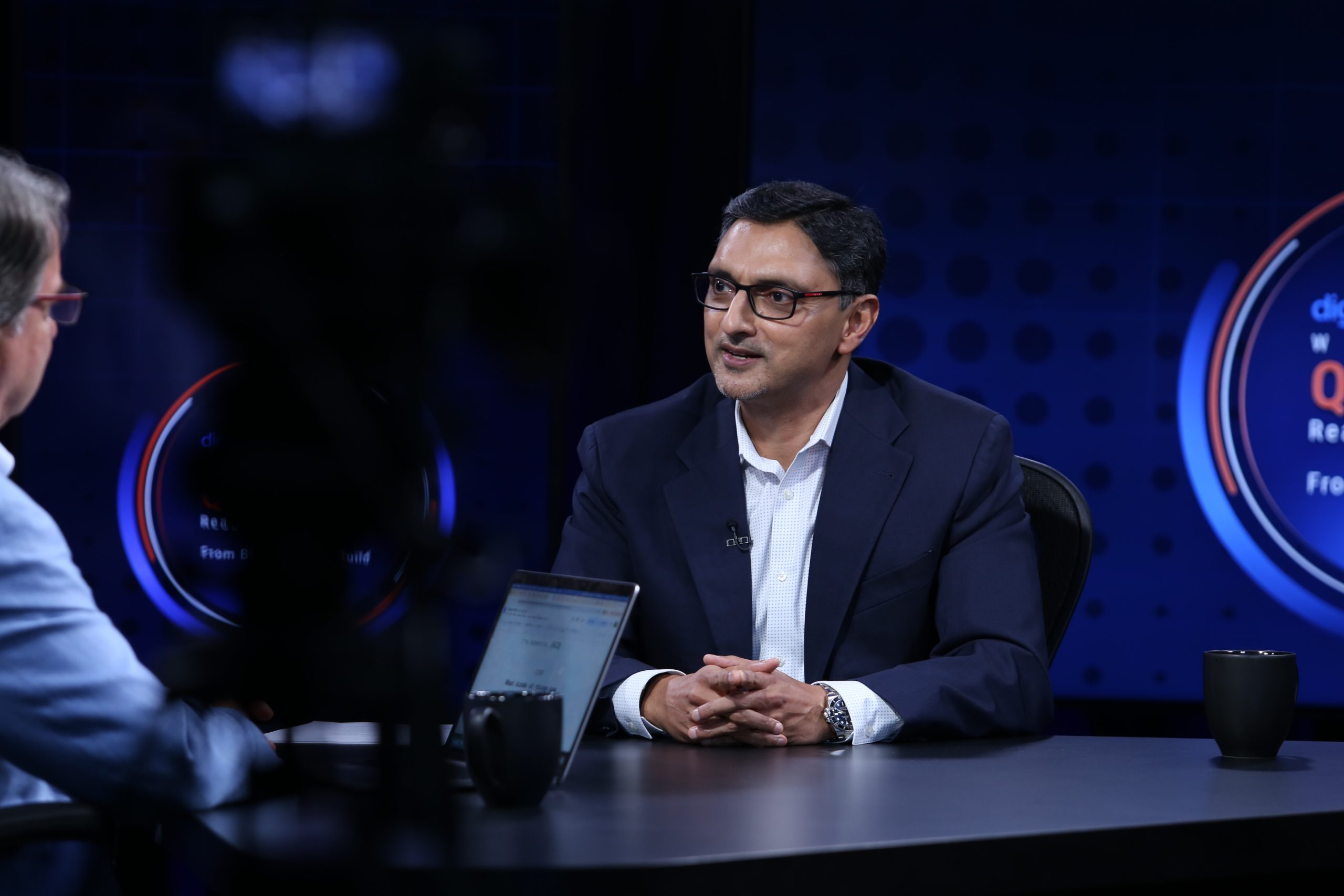
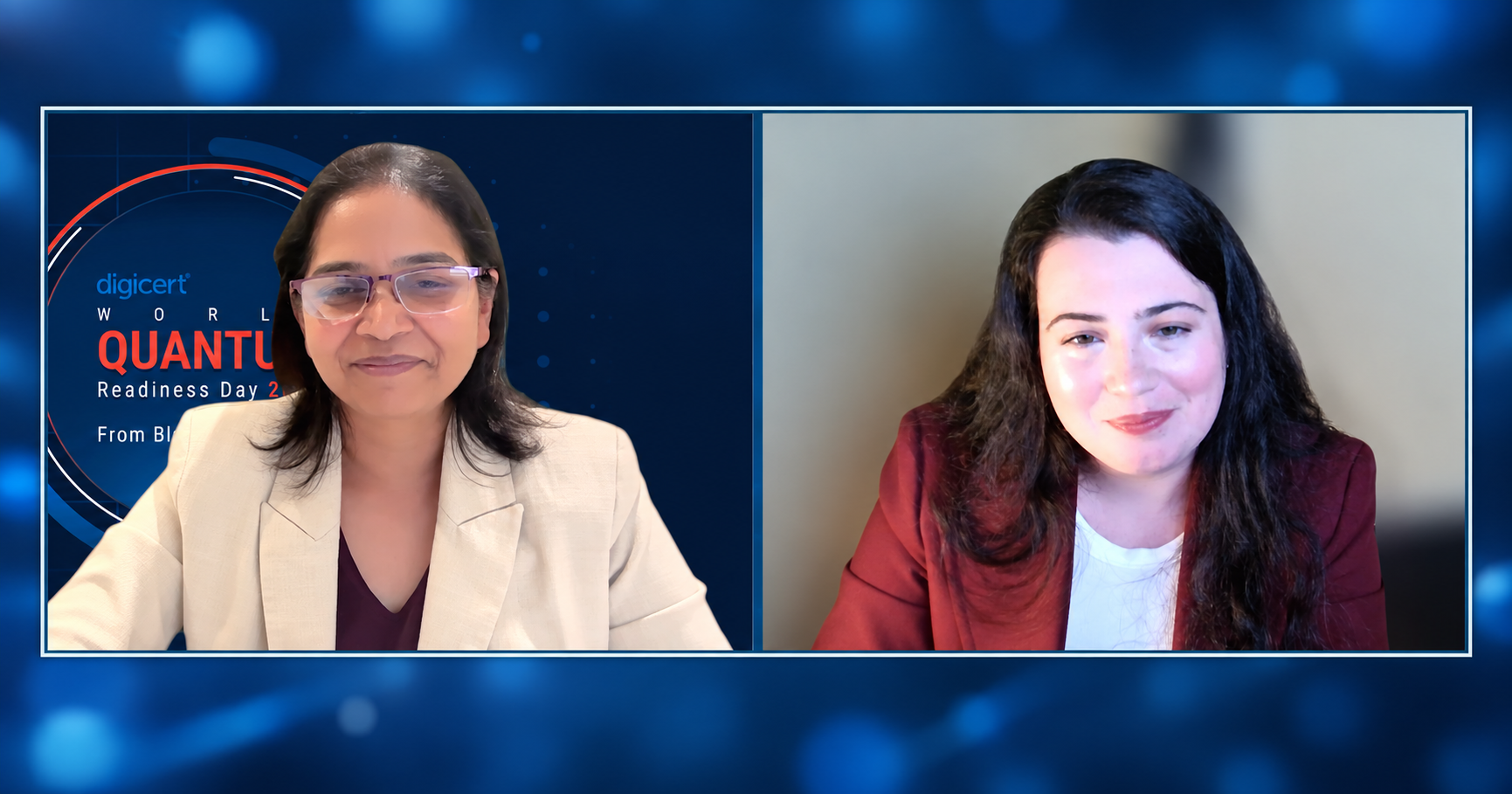
Microsoft's post-quantum work, as SiliconANGLE reported, makes the pattern explicit. The company is bringing certificate authorities into the testing process for post-quantum interoperability. The framing in that coverage is worth taking seriously: interoperability depends on more than whether individual algorithms work, and testing is the bridge between technical standards and deployable protections. Karina Sirota Goodley, a senior security product manager at Microsoft, is quoted saying readiness must begin with operational needs.
That is a description of a market in which the algorithm is table stakes and the integration is the product. Post-quantum cryptography has been a standardisation exercise for years. The hard part is now the part that involves certificate authorities, legacy systems and real-world deployment. Microsoft is not being generous by running the test. It is positioning itself where the value is moving.