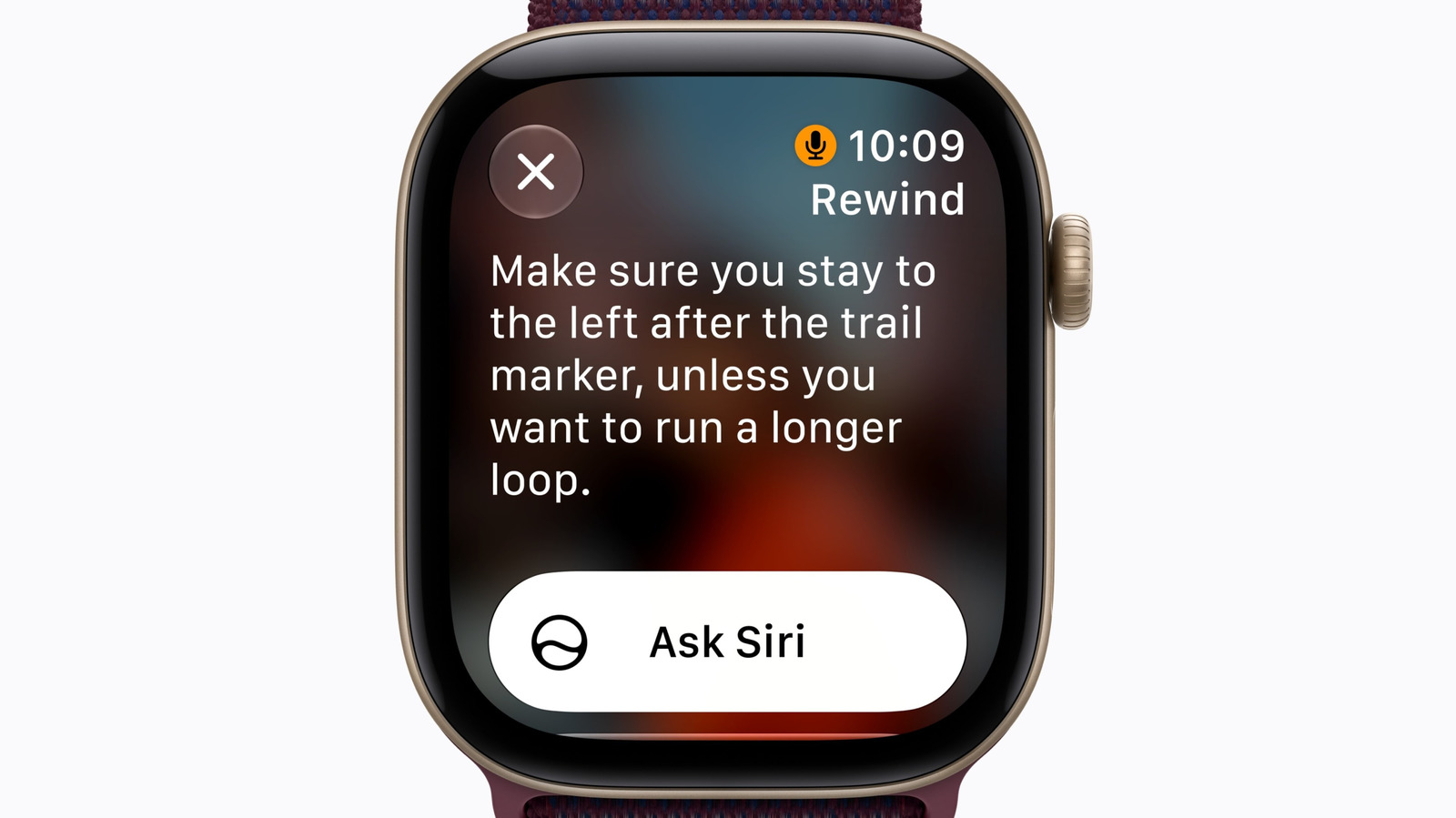
Apple's wearable products are increasingly designed to change on their own: AirPods pull firmware updates silently, their audio modes shift automatically to fit the situation, and Apple Watch features arrive through the same beta pipeline as everything else. The common thread across this week's wearable coverage is a shift of control away from the owner and toward the device and its software. That shift is convenient, but it also changes what consumers should expect from the gadgets they wear every day.
The Silent Update Becomes the Norm
The most concrete example is AirPods firmware. As Engadget notes, AirPods receive updates silently, unlike an iPhone, and the practical advice offered is that owners can prep their earbuds for a smoother update experience rather than trigger the update themselves. That arrangement is unusual in consumer electronics. A phone, a laptop or a tablet prompts its owner, presents release notes and asks for a restart. AirPods simply update when the conditions allow, and the owner often learns about it afterward, if at all.
This is not a minor detail. It means the product a consumer bought on day one is not the product they own a year later, and the change happens without any explicit consent moment. For routine fixes that is arguably the right design. For a device that sits in the ear and handles calls and audio all day, though, silent change makes it harder for owners to connect a new behavior or a new problem to the update that caused it.
Choice Migrates Into the Software
The second thread is that the meaningful settings on modern AirPods are now software modes rather than hardware features. Engadget frames the difference between Noise Cancellation and Adaptive Audio as a question of which mode fits which situation, noting that noise cancellation is not always the best option. The hardware is fixed; the behavior is negotiated by software in real time.
That is a genuine improvement in usability. It also concentrates more of the product's value in firmware that arrives quietly. When a wearable's character is defined by its audio modes, an update that adjusts those modes is not a cosmetic patch. It can change how the device sounds in a noisy office, on a train or on a call, and the owner may never see a changelog explaining it.
The Watch Follows the Same Path
The Apple Watch side of the coverage shows the same pattern at a larger scale. As Engadget reports, Apple's latest watchOS 27 beta enables Siri Recap and Live Rewind audio features, which were first revealed at the company's event in September and are finally landing in beta. Two things stand out. First, the features are audio-centric, extending the same mode-based, software-defined logic from earbuds to the wrist. Second, they are moving through a beta process, which means the capability set of a shipping watch expands after purchase through a channel most owners never inspect.
Read together, the three stories describe one product philosophy: the wearable is a platform that keeps receiving capability, and the owner's role is to keep it charged and connected rather than to approve each change.