The RAM Shortage Is Quietly Repricing Everyday Hardware
Article

The RAM Shortage Is Quietly Repricing Everyday Hardware

Memory costs are no longer a background input; they are reshaping prices, inventories and product decisions across the hardware US consumers actually buy.

ManishankarNovember 3, 20265 min read

Photo: Engadget

Memory prices have stopped being a background cost of doing business and have become a visible force shaping what hardware costs and how companies manage it. The recent run of stories on this desk points to one thread: a sustained rise in memory chip costs is pushing up retail prices on devices that once looked immune to commodity swings, while the companies exposed to those costs are adjusting inventories and pricing in ways US buyers will feel at the register.

The Shortage Has Reached the Shelf

For most of the past decade, RAM and flash were the parts of a device that got cheaper over time. A small single-board computer or a pair of wireless earbuds could absorb a memory price move without anyone outside the supply chain noticing. That is no longer the case. The Verge reported that the 16GB Raspberry Pi 5 now costs $385 after an $80 price hike, the latest in a string of increases driven by the ongoing RAM shortage. The same configuration launched at $120, meaning it now costs more than triple its original price. The Verge also noted that the 16GB versions of the Raspberry Pi Compute Module 5 got a similar increase.

That is a striking data point because the Raspberry Pi is the archetype of cheap, accessible computing. It is the board that schools, hobbyists and small hardware startups build on precisely because its price is predictable. When a $120 product becomes a $385 product, the shortage is no longer an abstraction confined to memory fab utilization rates. It has reached the shelf.

Apple Feels It Too

The instinct is to assume that a company with Apple's scale and supply agreements can insulate itself. The reporting suggests otherwise. TechCrunch reported that Apple's inventory surged 154%, with inventory climbing to $14.5 billion, and that Apple says unprecedented memory chip costs will continue to rise. TechCrunch framed the inventory figure as raising questions about future device prices.

That combination is worth sitting with. Inventory growth of that magnitude at a company known for disciplined supply chain management is not a routine fluctuation. It is consistent with a company building stock ahead of costs it expects to be higher later, or holding more capital in components because the price of waiting has gone up. Either way, the message Apple is sending, as reported by TechCrunch, is that the cost trajectory is upward and that future device prices are an open question.

For US consumers, Apple is the bellwether. If memory costs are pressing on the company that sells the most profitable phones and computers in the country, the pressure is broad-based rather than confined to low-margin niche hardware.

Two Tiers of Exposure

What the stories collectively show is not a single market response but two tiers of exposure. At the low end, the Raspberry Pi illustrates what happens when a product's price is close to its bill of materials: the increase is passed through almost directly, and it is large in percentage terms. A $120 board that becomes $385 is a product that has changed category, not just gotten more expensive. Buyers who budgeted for a cheap compute node now face a decision about whether the project makes sense at all.

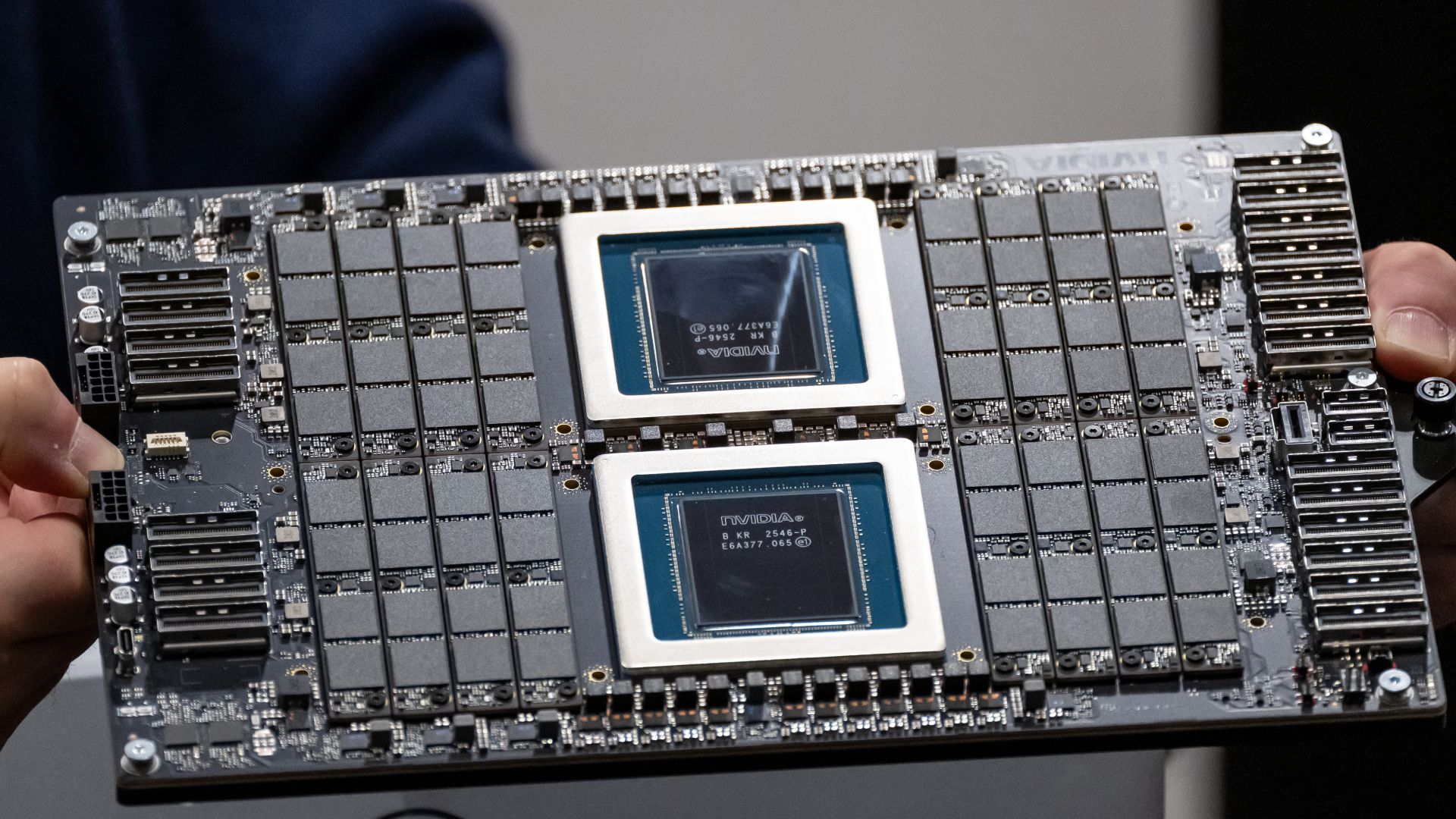
At the high end, Apple illustrates the other response: absorb, pre-buy, and signal. A company with Apple's balance sheet can carry $14.5 billion in inventory and can decide later how much of the cost to pass to customers. But carrying that inventory is itself a cost, and TechCrunch's reporting that the company expects memory costs to keep rising suggests the absorption strategy has a horizon.

Between those two poles sit most US hardware companies, which have neither the pricing power of a premium brand nor the simplicity of a bare board. They will be watching both signals closely.

The Consumer Electronics Squeeze

The broader implication is that memory has become a determining variable in consumer electronics pricing rather than a footnote. Devices that depend on memory content, from phones and laptops to single-board computers, are exposed to a shortage that producers describe as ongoing. The Raspberry Pi increases are described as part of a string driven by that shortage, and Apple's guidance, as reported, points the same direction.

The US market matters here because it is a market where consumers have grown accustomed to steady or falling prices for equivalent computing power. A sustained reversal of that expectation changes buying behavior: longer upgrade cycles, more refurbished purchases, and a harder look at whether the top memory configuration is worth the premium. For US technology companies, it changes planning. Inventory becomes a hedge, and pricing becomes a quarterly decision rather than an annual one.

There is also a distinction worth keeping clear. The Raspberry Pi and Apple stories are not the same phenomenon. One is a small-volume enthusiast product with transparent pricing; the other is a mass-market company managing a global supply chain. But both are responding to the same underlying condition, and that is what makes the pattern useful rather than coincidental.

What to Watch

The clearest signal will be whether other hardware makers follow the Raspberry Pi's lead and reprice existing configurations upward, or whether they choose to hold prices and reduce memory content instead. Apple's inventory position, reported at $14.5 billion, is the other gauge: if that figure keeps climbing alongside commentary about rising memory costs, it suggests the company expects the shortage to persist rather than ease. And the Raspberry Pi Compute Module 5 increases show that the pressure is not confined to consumer-facing boards but extends into the modules that US hardware startups build products on.

The two remaining stories on this desk sit outside the thread. Engadget's piece on AirPods chirping explains a battery-related alert rather than a supply chain issue, and Ars Technica's $48 DIY e-paper display is a hobbyist project at a price point where memory is not the binding constraint. Their presence is a reminder that not every hardware story this season is about the shortage, but the ones that move real money are.

More on this beat: Hardware on TechManNews.

#memory chips#hardware pricing#Raspberry Pi#Apple#supply chain#US consumers

Newsletter

Get Tech News in Your Inbox

The latest AI, gadgets, software and startup stories from TechManNews, delivered every morning - free.