The week's software news shares one thread. The products people rely on have grown into persistent environments that act with their own logic, and the cost of that logic lands on users. A labor dispute at a casual game studio, a wave of calendar-based malware, and a quiet redesign of a phone's notification controls look unrelated, but each describes software behaving less like a tool and more like a place with its own governance.
The Tool Became an Institution
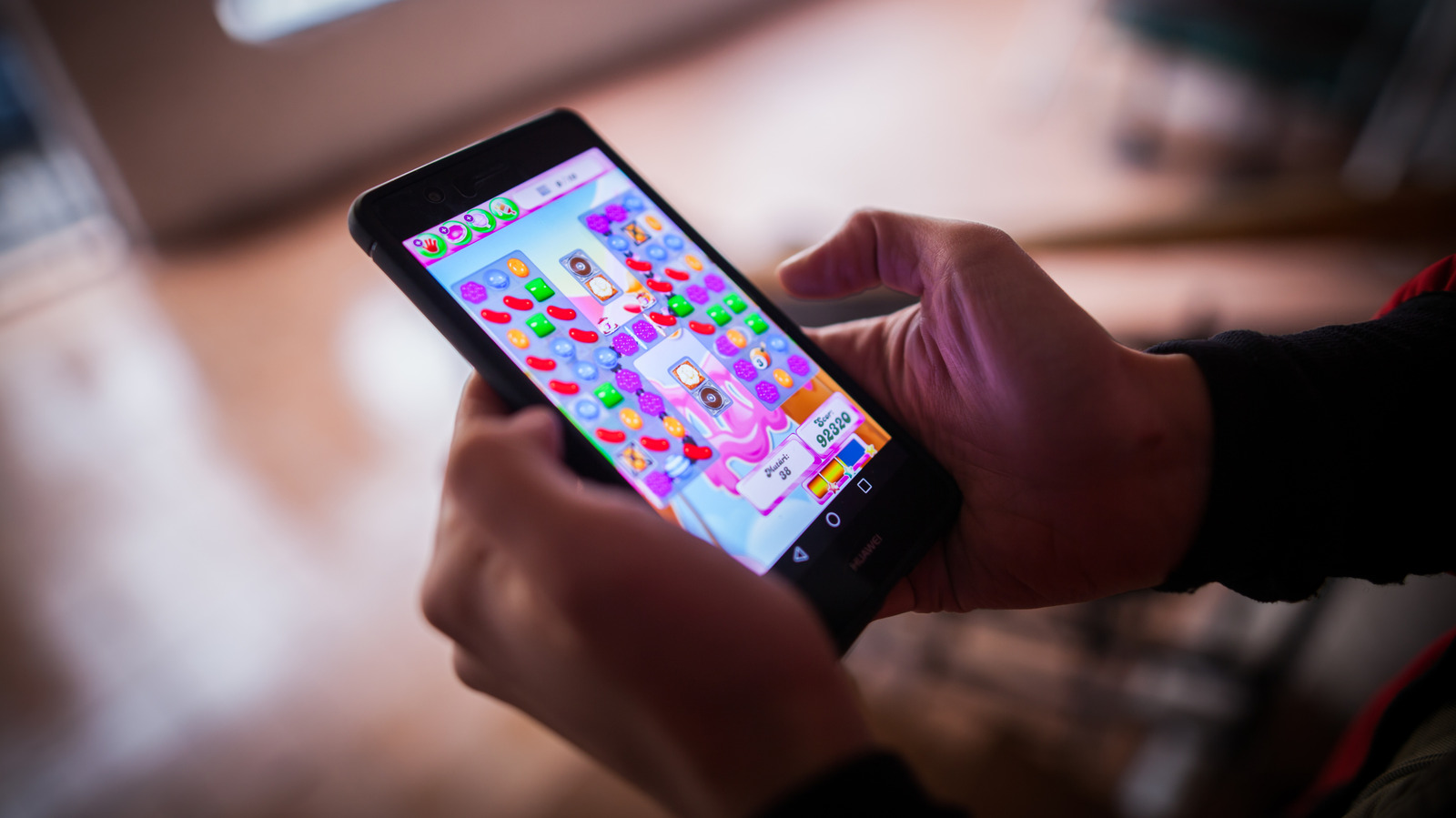
A game is not just a diversion anymore. King's staff, as Engadget reported, are planning a strike for next week after years of bargaining, with employees trying to get negotiations back on track. Whatever the outcome, the fact pattern matters: a studio behind a mass-market pastime now has a standing workforce with a standing grievance, and the product's future depends on a process most players never see. That is institutional behavior. The thing on the phone has owners, rules, and internal politics. When it changes, it changes because of decisions made somewhere else, on a schedule the user does not control.
The same is true of the calendar, which is the least glamorous piece of software most people own and the one they trust most reflexively. As ZDNET reported, fake calendar invites are surging, and they sneak past security software to embed themselves in the calendar. Nothing was hacked in the conventional sense. The attacker did not break a wall; they used a door the software deliberately leaves open, because calendars are designed to accept invitations from strangers. The product's defining feature is the vulnerability. Users are left to clean up an intrusion that the software's own design invited in.
And then there is Focus, which Apple has been adjusting in iOS 27, with what Engadget described as interesting-yet-subtle changes. Subtle is the operative word. Focus is not a setting so much as a policy about who is allowed to reach you and when. When that policy shifts, behavior shifts with it, usually without anyone deciding to change. Users discover the difference by missing a notification or receiving one they thought they had silenced.
Friction Is Being Moved, Not Removed
Put the three together and a pattern emerges. Software vendors keep relocating friction rather than eliminating it. Security tools are supposed to catch threats, but calendar invites arrive through a channel that is trusted by default, so the burden moves to the individual to recognize a fake and remove it. Focus mode is supposed to reduce interruption, but its complexity means the user must model their own attention in advance and maintain that model as it evolves. A live-service game is supposed to be entertainment, but its continuity depends on labor negotiations that can interrupt it.
Each of these is presented as a feature. The calendar's openness is interoperability. Focus is personalization. A live game is a service. In practice, each arrangement makes the user the last line of defense for a system whose rules were set elsewhere.
Why This Lands Harder in the United States
The American market is unusually exposed to this pattern for structural reasons. US consumers lean on a small number of platforms for calendar, messaging, notifications, and entertainment, so a single design decision propagates across millions of people at once. There is no meaningful alternative calendar for most iPhone owners, no competing Focus implementation, and no substitute for a game that a large share of the installed base plays casually and continuously.
US employers also sit on the other side of the labor story. American game studios have seen organized labor activity in recent years, and a strike at a studio behind a mass-market title is a visible test of how much leverage workers have in an industry that treats live operations as the default. The bargaining table is not a side plot. It is the mechanism that determines whether the product keeps running.