The week's clearest signal in enterprise technology is not any single deal but a pattern across four of them: capital is flowing to companies that sell intelligence which does the work, while an incumbent whose core function is being squeezed by adjacent automation is winding down. Across manufacturing, energy-hungry computing, recruiting, and equity management, the dividing line is whether a product replaces a task, a role, or a workflow outright.
The four stories the desk logged are CADDi's $114 million raise at a $1.2 billion valuation to push manufacturing AI into North America, Rune's $40 million round for modular solar-powered data centers, Jack & Jill's $40 million raise to build AI-agent-driven hiring, and, per TechCrunch, Pulley's decision to shut down its cap table management platform in December. At first glance these are unrelated sectors. The common thread is that buyers are funding automation of the work itself, and the money is unusually concentrated.
Engineers and Recruiters as the New Procurement Category
CADDi's pitch is that a great deal of manufacturing expertise sits locked inside engineering drawings, and that software can put that information to work. That is a direct statement about labor: the knowledge embedded in drawings currently requires experienced people to interpret, and CADDi Drawer is being sold as a way to make that knowledge machine-usable. A $1.2 billion valuation for a company whose product is defined by extracting insight from artifacts rather than empowering a human to read them is a bet that North American manufacturers will pay to compress engineering review cycles. The North America expansion is the point of the round, which places the bet squarely in the US industrial software market.
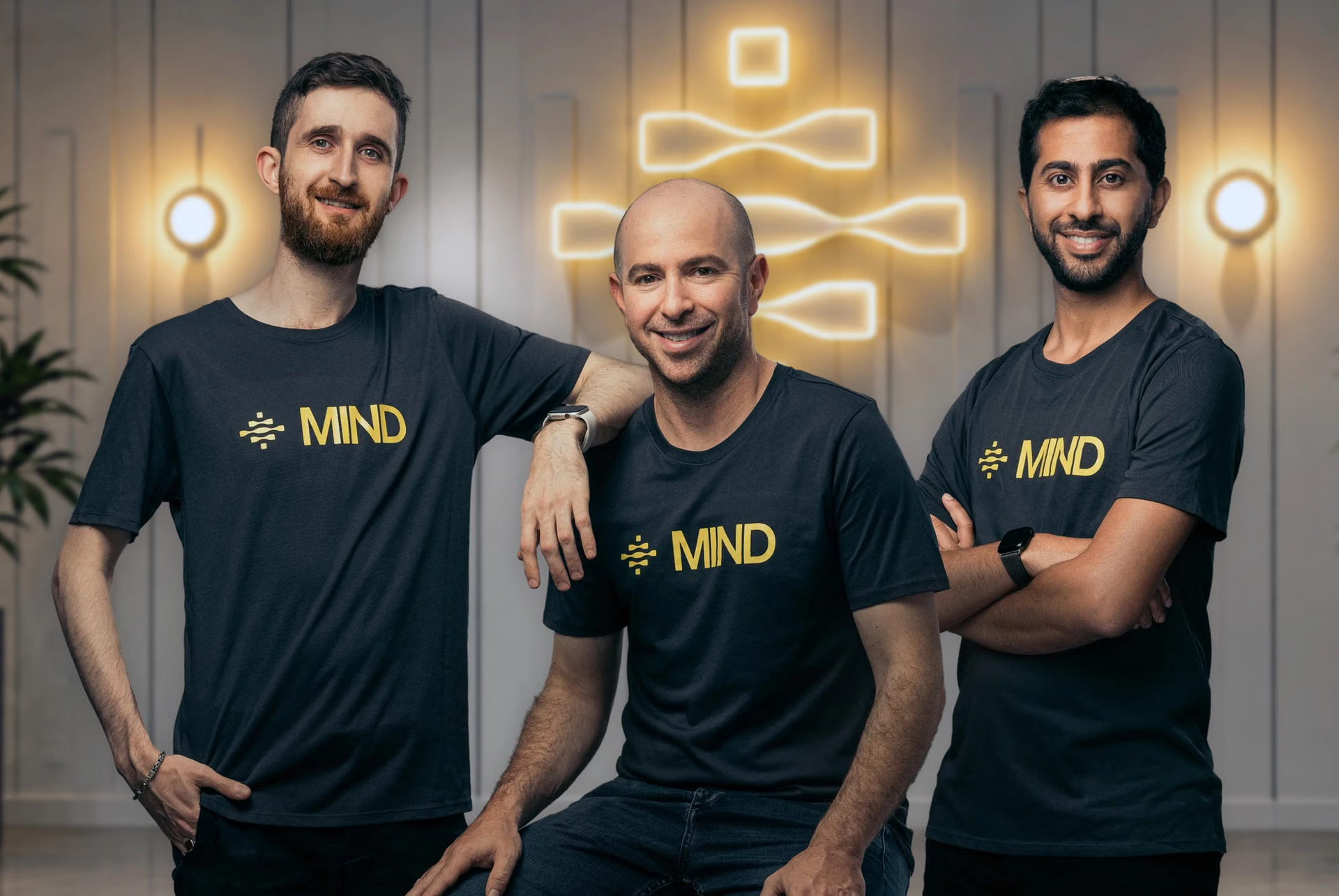
Jack & Jill makes the same argument more explicitly. As covered by SiliconANGLE, the company says it is building a job market where people do not need to apply for jobs because a pair of AI agents do the work. That is not a productivity tool sold to recruiters; it is a proposal to remove the job-seeker's core task. A $40 million early round, led by Air Street Capital, is small relative to CADDi's, but the ambition is structurally similar: agents absorb the labor that humans currently perform, and the platform captures the value.
Solar Data Centers Are the Supply Side of the Same Trade
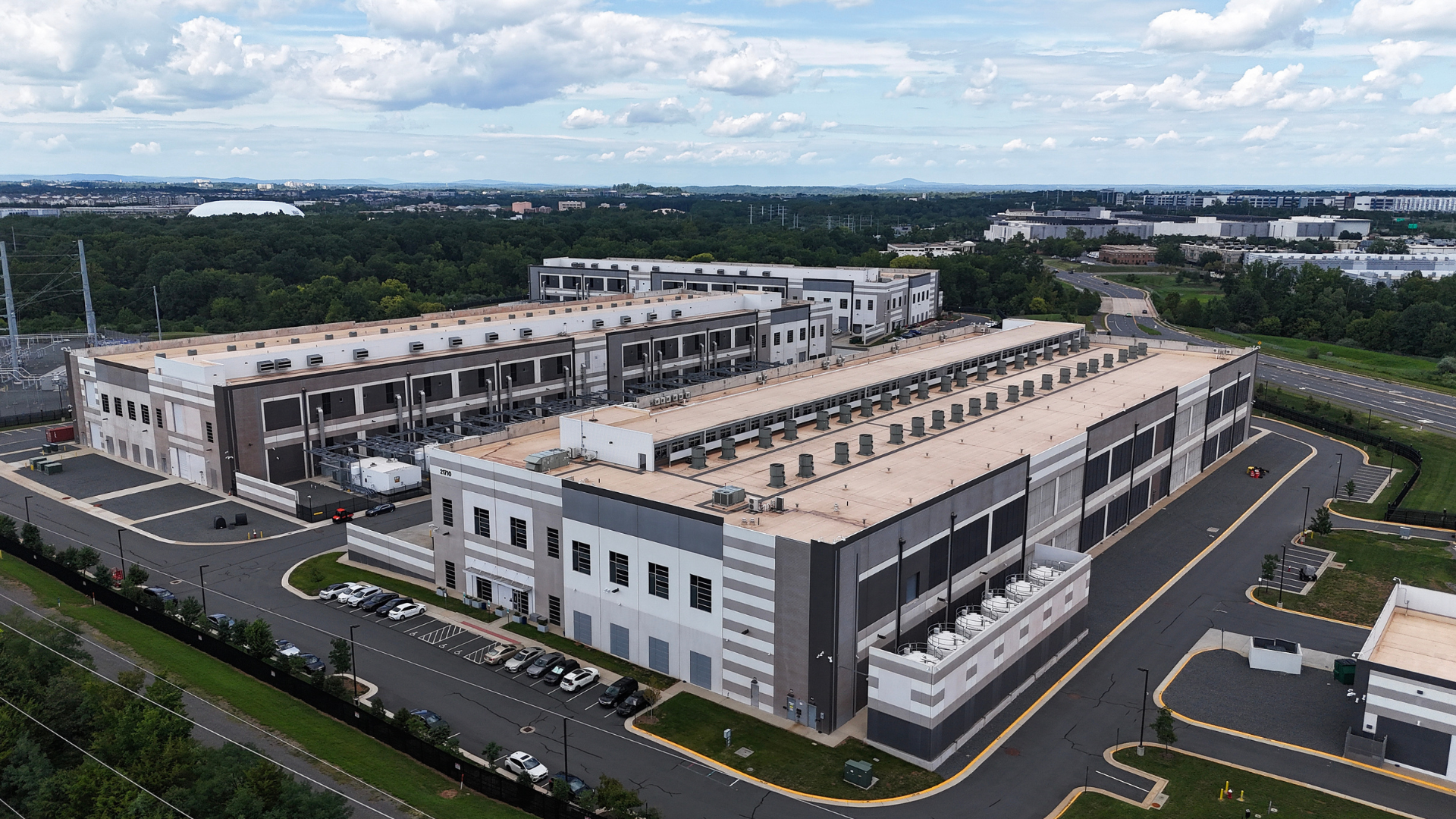
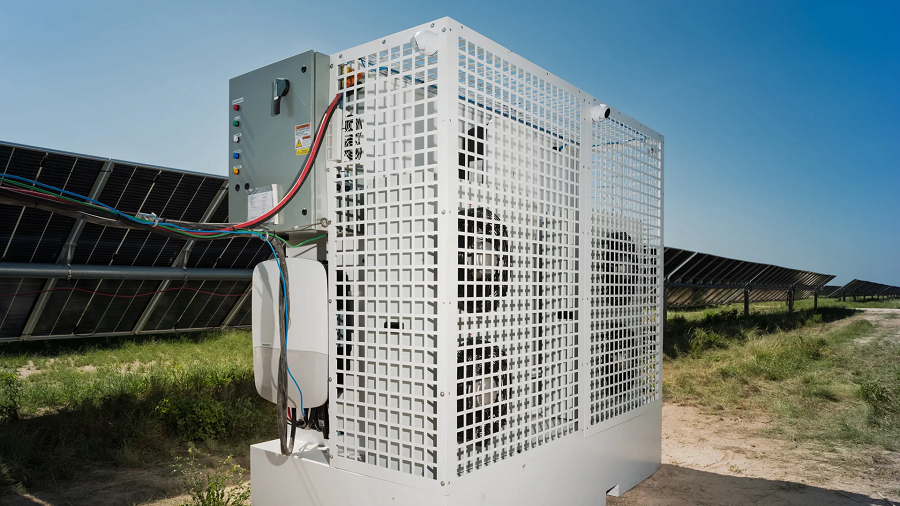
Rune's $40 million round, led by Spark Capital, funds modular solar-powered data centers and a first product called RELIC, a computing module optimized for AI workloads. The story is usually framed as an energy story, but in this cluster it reads as infrastructure for the automation thesis. Every dollar flowing into manufacturing AI and hiring agents increases demand for compute that can be sited and powered without waiting on a traditional grid interconnection. Rune's modular, solar-linked approach is a bet that AI workloads will need to be placed where power is available rather than where data centers have historically been built. For US technology companies, that has a specific implication: compute procurement is becoming an energy strategy, not just a hardware purchase.
The Pulley Shutdown Shows the Other Side of the Pattern
The counterexample is Pulley. TechCrunch reported that the cap table management platform, backed by General Catalyst, Stripe, and Founders Fund, is closing in December. Pulley competed with Carta in a category where the core function, tracking ownership and equity, is increasingly a feature inside larger platforms rather than a standalone product. The shutdown does not contradict the automation thesis; it illustrates its cost. When workflow software gets absorbed into adjacent systems, standalone vendors with strong backers can still fail. The market is not rewarding every well-funded company. It is rewarding companies that own a task or a piece of infrastructure that is becoming more central, and it is punishing those whose function is becoming a line item elsewhere.