๐Ÿ“ฃ

Advertisement

Google Ad - 970ร—90 Leaderboard ย TOP_LEADERBOARD_4

The New Battle Line Is Who Controls the Interface
Article

The New Battle Line Is Who Controls the Interface

Roku, GM, Microsoft and Tovala all show the same shift: platform owners are loosening their grip on control in exchange for influence over the experience.

Arjun NairSeptember 18, 20265 min read

Photo: Engadget

๐Ÿ“ฃ

Advertisement

Google Ad - 970ร—90 Leaderboard ย TOP_LEADERBOARD_4

The technology industry's most contested territory in 2026 is no longer the device or the app. It is the interface layer: the menus, prompts, and automations that sit between a user and a service. Four stories from the past two days, across streaming, automotive, enterprise software, and connected cooking, show companies converging on the same conclusion. Locking down that layer costs more than sharing it.

The pattern is not that every company has suddenly embraced openness. It is that control is being renegotiated rather than surrendered, and each negotiation follows the same logic: whoever defines the interaction earns the relationship, even when someone else supplies the underlying capability.

Roku Invites Users Into the Lab

Roku's new Roku Labs program, reported by Engadget, gives users access to experimental apps and, in return, a channel to shape the final versions. On its face this is a modest beta program. In context it is a platform admitting that its own product instincts are not sufficient.

Roku built its position on a curated app store that funnelled viewers toward content and, crucially, toward advertising inventory. That curation was the business model. Opening the door to experimental apps dilutes curation, but it buys something Roku needs more: direct, structured feedback from the people who actually sit in front of the television. In a streaming market where hardware margins are thin and engagement is everything, the company is trading gatekeeping for telemetry with a human face. The interface remains Roku's. The roadmap becomes partly the user's.

GM Draws a Line It Can Live With

General Motors offers the sharpest illustration of the same trade-off. As CNET reported, the 2027 Chevy Silverado and GMC Sierra will fold phone mirroring into the native interface rather than walling it off, even as GM keeps Apple and Google's apps out of its electric lineup.

That is not a reversal of GM's well-known reluctance to hand its dashboards to outside platforms. It is a bifurcation. In vehicles where GM wants to own the software stack and monetise services, the phone stays out. In trucks, where buyers are loyal, practical, and unlikely to tolerate losing CarPlay or Android Auto, the company accommodates them. The native UI absorbs mirroring rather than being displaced by it. GM keeps the frame; the phone supplies the picture. That is a more sophisticated position than a simple yes or no, and it reflects a hard commercial reality: the interface is worth fighting for, but not worth losing a truck sale over.

Microsoft Fixes Forward While Looking Backward

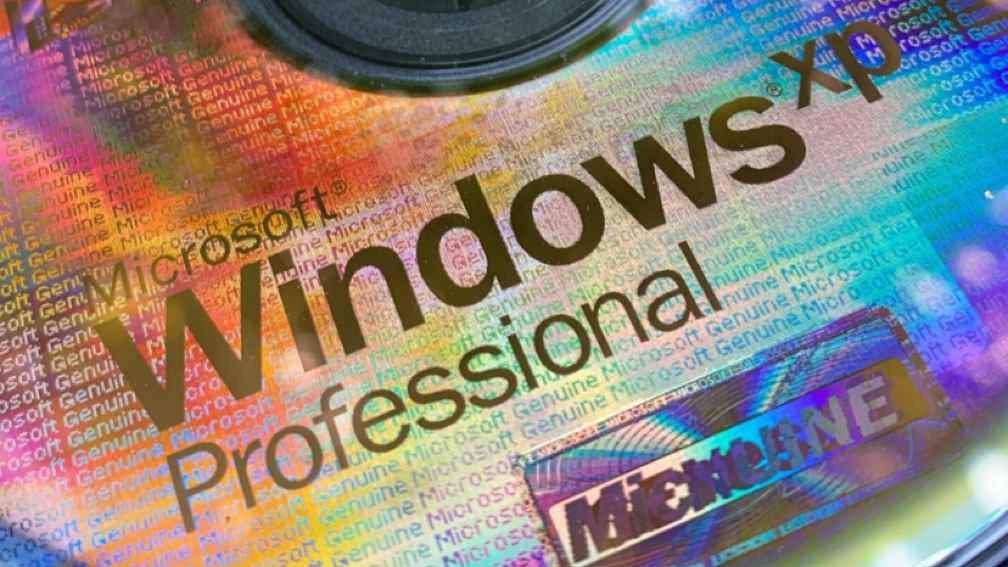
Microsoft's domain login issue offers a less glamorous version of the same theme. BleepingComputer reported that the company shared a temporary workaround on Wednesday for a known problem preventing Windows 11 users from logging in with valid domain credentials after installing the September 2026 security updates.

The relevant detail is not the bug. It is the response. Microsoft is managing an interface it does not fully control at the moment of failure, because the failure occurs inside environments its enterprise customers operate. A temporary fix published publicly is an acknowledgment that in the domain-joined world, the vendor cannot simply push a solution and declare the matter closed. System administrators are the de facto interface between Microsoft's code and the people trying to work. Microsoft can only advise them. That is a constrained form of control, and it is the normal condition of enterprise software. Security updates arrive on Microsoft's schedule; the consequences land on someone else's.
Advertisement

๐Ÿ“ฃ

728x90

MID_CONTENT_2

Tovala Sells the Shortcut, Not the Oven

TechCrunch's two-week test of Tovala's smart oven captures the consumer version of the same principle. The oven and the meal-delivery service work together: meals carry QR codes that, when scanned in the app, tell the oven how to cook them automatically.

Strip away the hardware and Tovala is selling the elimination of a decision. The oven is a means of delivery for an interface that answers the question of what to cook and how. The QR code is the handshake between physical product and software service, and the app is where the relationship actually lives. A competitor can build a comparable oven. Replicating the meal pipeline, the scanning behaviour, and the accumulated cooking logic is harder. Tovala's defensibility sits in the interaction, not the appliance.

What the Thread Means for the US Market

For American technology companies, the lesson is that interface control is now the primary asset, and it is most valuable when exercised selectively. Roku loosens curation to improve its product. GM loosens mirroring in trucks while tightening it in EVs. Microsoft publishes workarounds because it must. Tovala bundles hardware and software so the software becomes the reason to stay.

For US consumers, the effect is mixed and worth watching closely. Sharing the interface layer tends to produce more choice in the short term: experimental apps on Roku, CarPlay available in a Silverado, a workaround that gets employees back into their machines. But accommodating an outside platform is not the same as ceding control of it. In each case the platform owner retains the frame, the defaults, and the data. Consumers gain access while the company retains the ability to change terms later.

The tension is sharpest at GM, precisely because the company has drawn a visible line. A buyer can get phone mirroring in a truck and not in an EV from the same manufacturer. That inconsistency is the clearest available evidence that these decisions are commercial calculations rather than philosophical commitments, and that they can move.

What to Watch

The questions raised by these four stories are answerable with observable behaviour. Whether Roku Labs feedback visibly changes shipping apps, or becomes a channel for features Roku intended to build anyway, will show how much control the company actually shared. Whether GM's truck accommodation holds, or quietly narrows in a later model year, will indicate whether the EV approach or the truck approach is the real strategy. Whether Microsoft's workaround is followed by a permanent fix, and how quickly, will say something about how it prioritises the installed base over the new release.

And whether Tovala's model depends more on the oven or the meals is the question that decides what kind of company it becomes: a hardware vendor with a subscription attached, or a service that happens to ship a box.

None of these outcomes is settled. What is settled is where the contest is taking place. The interface is the product now, and every company on this list is negotiating over who gets to shape it.

More on this beat: Software on TechManNews.

Advertisement

๐Ÿ“ฃ

728x90

IN_ARTICLE_5

#platform strategy#user interface#connected devices#enterprise software#consumer technology#product control

Newsletter

Get Tech News in Your Inbox

The latest AI, gadgets, software and startup stories from TechManNews, delivered every morning - free.