The Thread
The AI industry is moving its center of gravity back onto the client device. Nvidia's new Open Agent Safety Platform pairs software sandboxing with dedicated monitoring hardware, Microsoft is preparing to put Nvidia's RTX Spark silicon into a Surface Laptop, and European AI leaders are openly worrying about where demand will come from. All three, read together, describe a PC business being repositioned as the control point for AI agents rather than the place where AI models are trained.
Nvidia Puts Safety in the Box
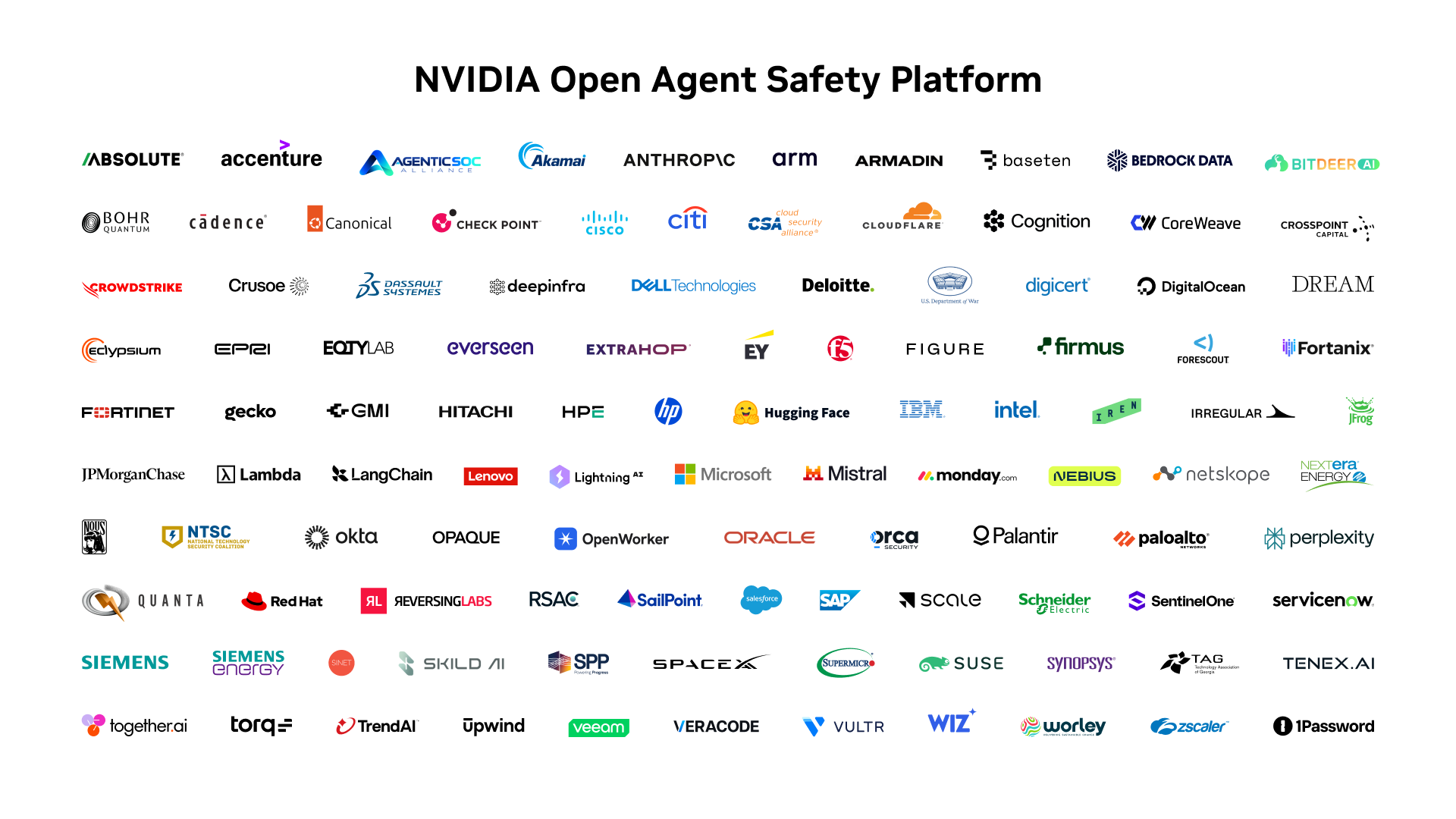
Nvidia's Open Agent Safety Platform, reported by Tom's Hardware, combines OpenShell sandboxing with BlueField-powered Sentry hardware to monitor and rapidly quarantine rogue AI agents. That is not a cloud service in the usual sense. It is a stack that includes silicon whose job is to watch what autonomous software does and to cut it off when it misbehaves.
The important detail for the laptops and PCs beat is architectural. Putting the safety layer on dedicated hardware implies that agents will run locally, or at least close enough to a machine that a local monitor makes sense. Until now, the industry conversation about agent safety has mostly been about server-side guardrails and API policies. Nvidia is describing a world in which the enforcement point sits inside or alongside the device a customer actually owns.
For US buyers, that framing matters because it moves an enterprise governance question into a purchasing decision. If agent monitoring is a hardware capability, then laptops and desktops stop being interchangeable endpoints and become part of the compliance story. Nvidia has not published pricing, availability or which OEMs will ship Sentry-equipped systems, so it is too early to say how quickly that lands on shelves, but the direction is clear.
Microsoft's Surface Ultra Is the Test Case
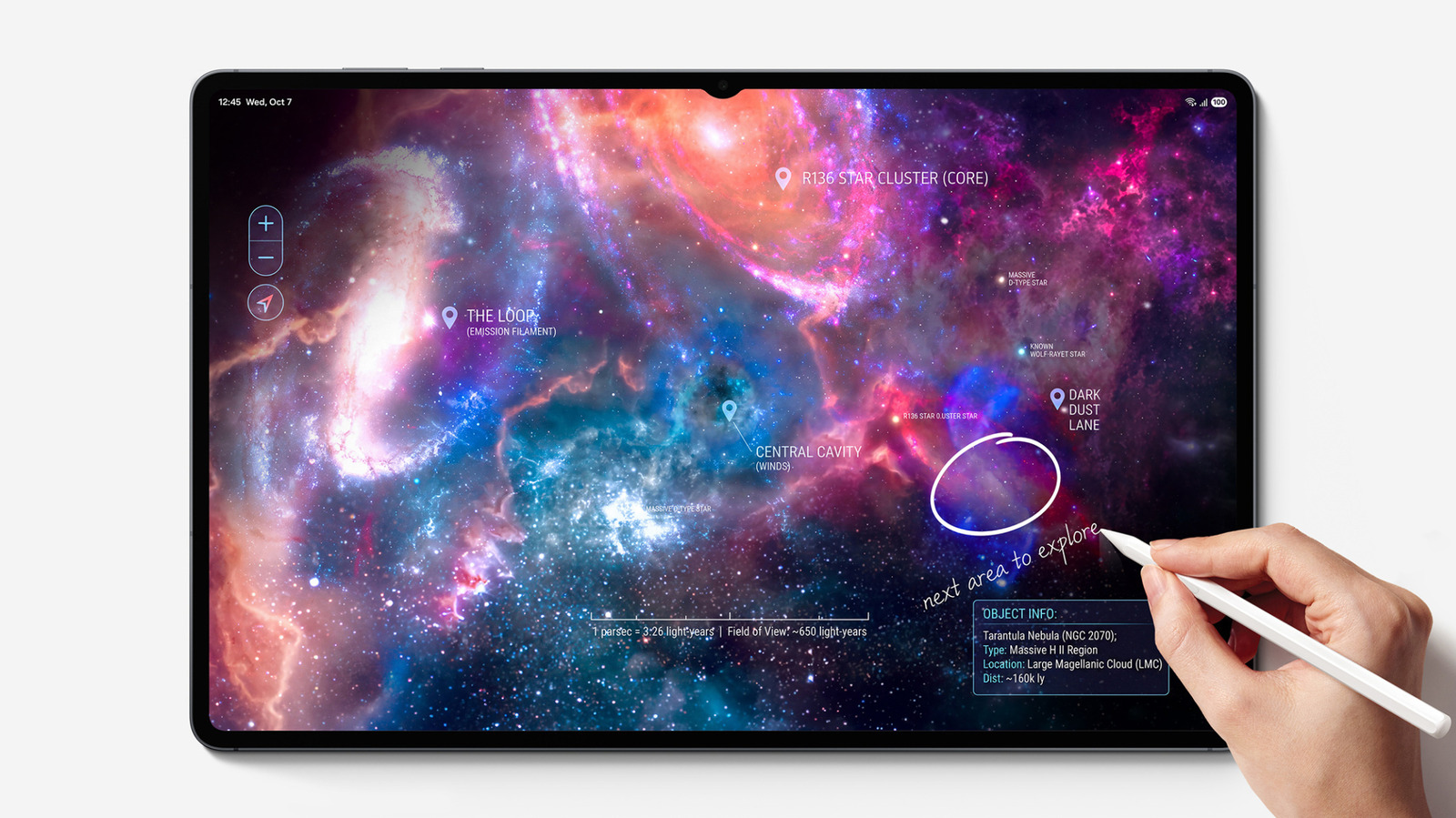
That direction runs straight into Microsoft's October 7 event, which Engadget previews as a Windows, Surface and AI affair. The one product Engadget treats as certain is the Surface Laptop Ultra built on Nvidia's RTX Spark.
A flagship Surface with Nvidia silicon is the clearest possible signal that Microsoft wants AI work happening on the PC. Windows has spent the past several years trying to make local inference and on-device agents feel native rather than bolted on. Pairing that software story with Nvidia hardware would give developers a defined target and give corporate buyers a machine they can point to when they explain their AI rollout.
The open question, and Engadget leaves it open, is what else Microsoft announces. The quieter items usually determine whether a device generation actually changes behavior: power management, memory configuration, developer tooling, and how Windows partitions work between a local agent and cloud services. Those are the details that decide whether an agent-capable laptop is a productivity tool or a demonstration.
Europe's Warning About Demand
A third story, from Crunchbase News, sits at a different altitude but points the same way. Crunchbase News research lead Gené Teare moderated panels and spoke with leaders building AI ecosystems in Europe and the Middle East, including Axelera AI CEO Fabrizio Del Maffeo and AI71 CPTO Mehdi Ghissassi, at HumanX in Amsterdam. The takeaway Crunchbase News highlighted is that Europe's sovereign AI push needs customers as well as capital.