Three recent smartphone stories share a single thread: the industry's center of gravity has moved from the point of purchase to the years of ownership that follow. A foldable comparison on Engadget, a guide to checking Android security-update status, and a CNET explainer on disabling Apple Intelligence to reclaim storage are not really about three products. They are about the same emerging anxiety among US consumers - that the phone they own today may not be fully theirs, fully supported, or fully useful tomorrow. That anxiety is now shaping how Americans choose, keep, and judge smartphones, and it is forcing US technology companies to compete on terms they did not set.
Upgrade Decisions Become Lifecycle Decisions
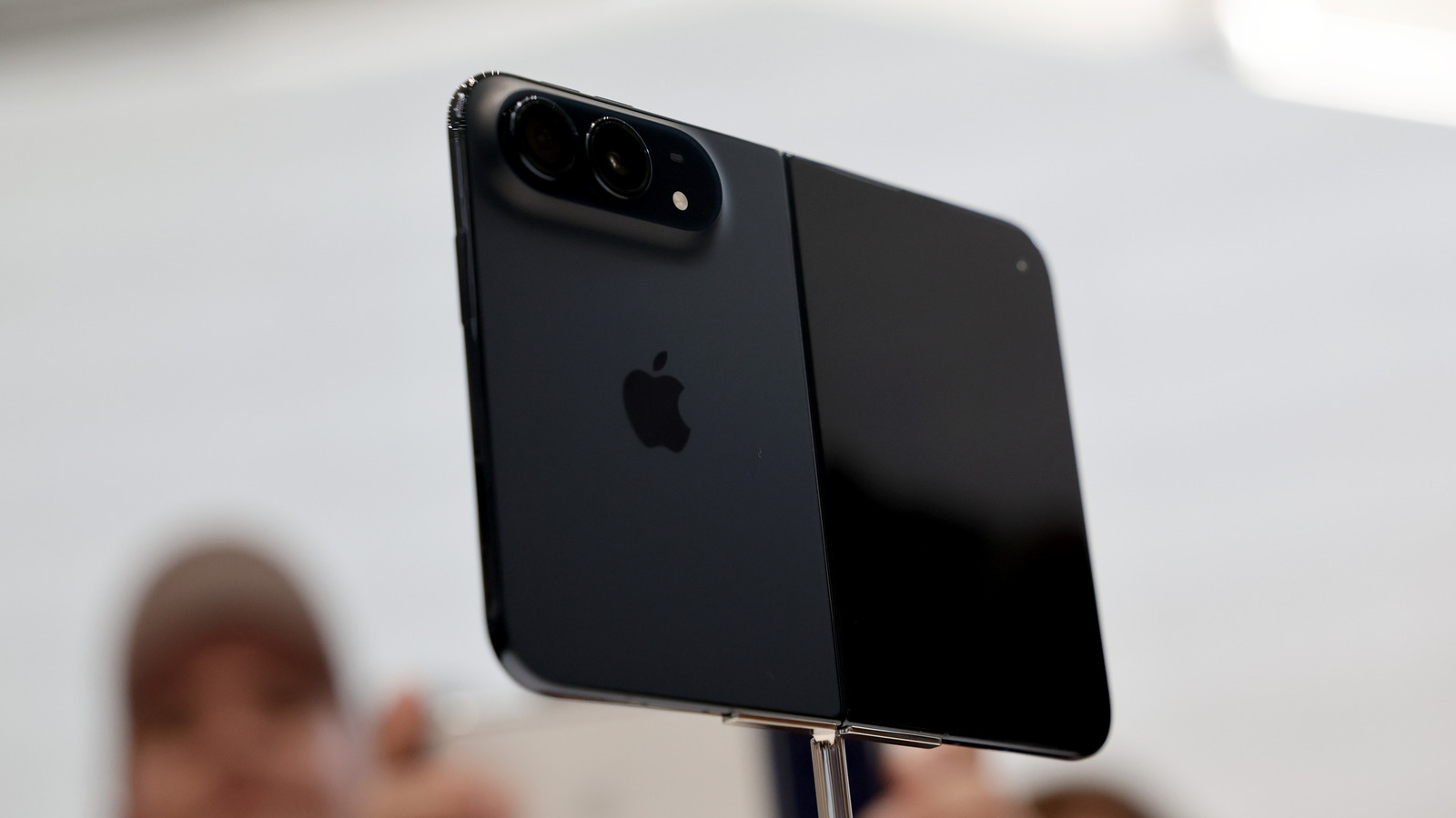
The Engadget comparison of the Apple iPhone Duo and the Motorola Razr Ultra is framed as a contest between two foldables, and the market is indeed overflowing with them. But the more revealing framing is temporal. A foldable is not a phone someone buys for a season and discards; hinges, inner displays, and the software that coordinates them are long-term commitments. The comparison matters because buyers are weighing not just which device wins today, but which device is likely to hold up and remain worth owning over time. That is a lifecycle question, and it is the same question animating the other two stories. When the most visible smartphone coverage is comparative rather than celebratory, it signals that US buyers have become portfolio managers of their own devices. They are evaluating durability, support windows, and residual utility with the same seriousness they once applied to camera megapixels.
Support Windows Are Now a Purchase Criterion
Engadget's guide to checking whether an Android phone is still receiving security updates makes an uncomfortable point plainly: a device will only receive updates for so long, and it may have already left its support period without the owner realizing. For US consumers, this is a quiet trap. The phone still turns on, still runs apps, still looks fine - but it has crossed a line that the owner never saw drawn. The story is practical, but its implications are structural. Security-update longevity has become a specification as important as battery capacity, because it determines whether a device remains safe to use for banking, messaging, and identity management. When buyers must consult a guide to learn whether their own hardware is still protected, the burden of the ownership gap has shifted onto them. US carriers and manufacturers that once competed on launch-day features now face a market where the credible question is how long the device stays current - and where an uninformed buyer can end up holding an unsupported phone.
AI Features Reintroduce the Storage Trade-Off
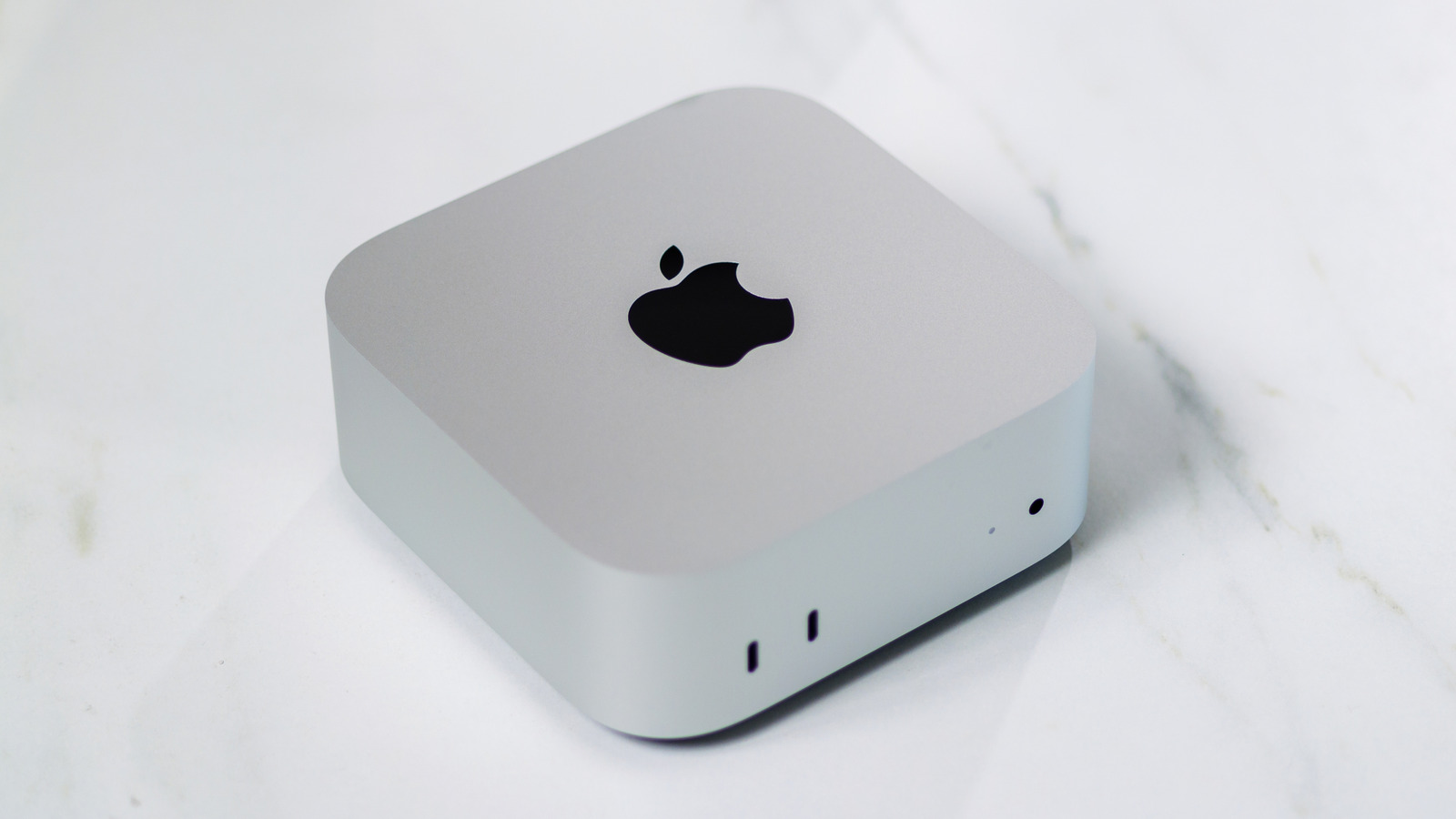
CNET's piece on disabling Apple Intelligence on an iPhone or Mac to reclaim valuable space introduces a third dimension of the same problem. The new Siri AI could be taking up a lot of storage, and the story treats disabling it as a legitimate housekeeping move. That is a notable development. For years, the smartphone pitch was that new software capabilities were unambiguously additive - more features, more value, same device. Apple Intelligence complicates that promise. If an on-device AI system consumes meaningful storage, then adopting the flagship feature may come at the expense of photos, apps, or media the owner already had. US consumers are being asked to weigh a vendor's strategic bet on AI against their own practical needs, and some are evidently choosing the practical needs. The ability to switch off a headline feature is a form of ownership, but the fact that it is necessary is a form of cost.