📣

Advertisement

Google Ad - 970×90 Leaderboard  TOP_LEADERBOARD_4

The New Hardware Cold War Is Fought With Processors and Patents
Article

The New Hardware Cold War Is Fought With Processors and Patents

The latest hardware stories reveal a single thread: the US technology sector faces rising pressure from state-backed competition, regulatory moves, and supply chain shifts.

Arjun NairSeptember 2, 20266 min read

Photo: SiliconANGLE

📣

Advertisement

Google Ad - 970×90 Leaderboard  TOP_LEADERBOARD_4

The Thread: Hardware Is Now Geopolitical

The stories that crossed the Hardware desk this week are not isolated product launches or regulatory squabbles. Together, they trace a single line: hardware has become the terrain where governments, corporations, and courts fight over the future of computation, memory, and sovereignty. From AWS deploying its newest in-house processor to a Chinese court freezing assets of a Dutch chipmaker, to TSMC’s hybrid bonding delays and California’s age verification bill, the message is clear - US technology companies can no longer treat hardware as a purely engineering problem. They must now navigate a landscape where every chip, every bonding technique, and every legal forum can become a lever of national strategy.

The pattern is not coincidence. The same week that AWS launched memory-optimized instances built on its Graviton5 processors, a Chinese court ordered the seizure of $318 million in assets belonging to Nexperia, a Dutch chipmaker. Meanwhile, TSMC postponed a key memory technology, and the Electronic Frontier Foundation warned that a California bill would impose privacy-invasive checks on the internet. Each story, on its own, seems discrete. But viewed together, they reveal a hardware industry that is simultaneously accelerating in performance, slowing in advanced packaging, and tightening its legal and regulatory boundaries.

Chips as Strategic Currency

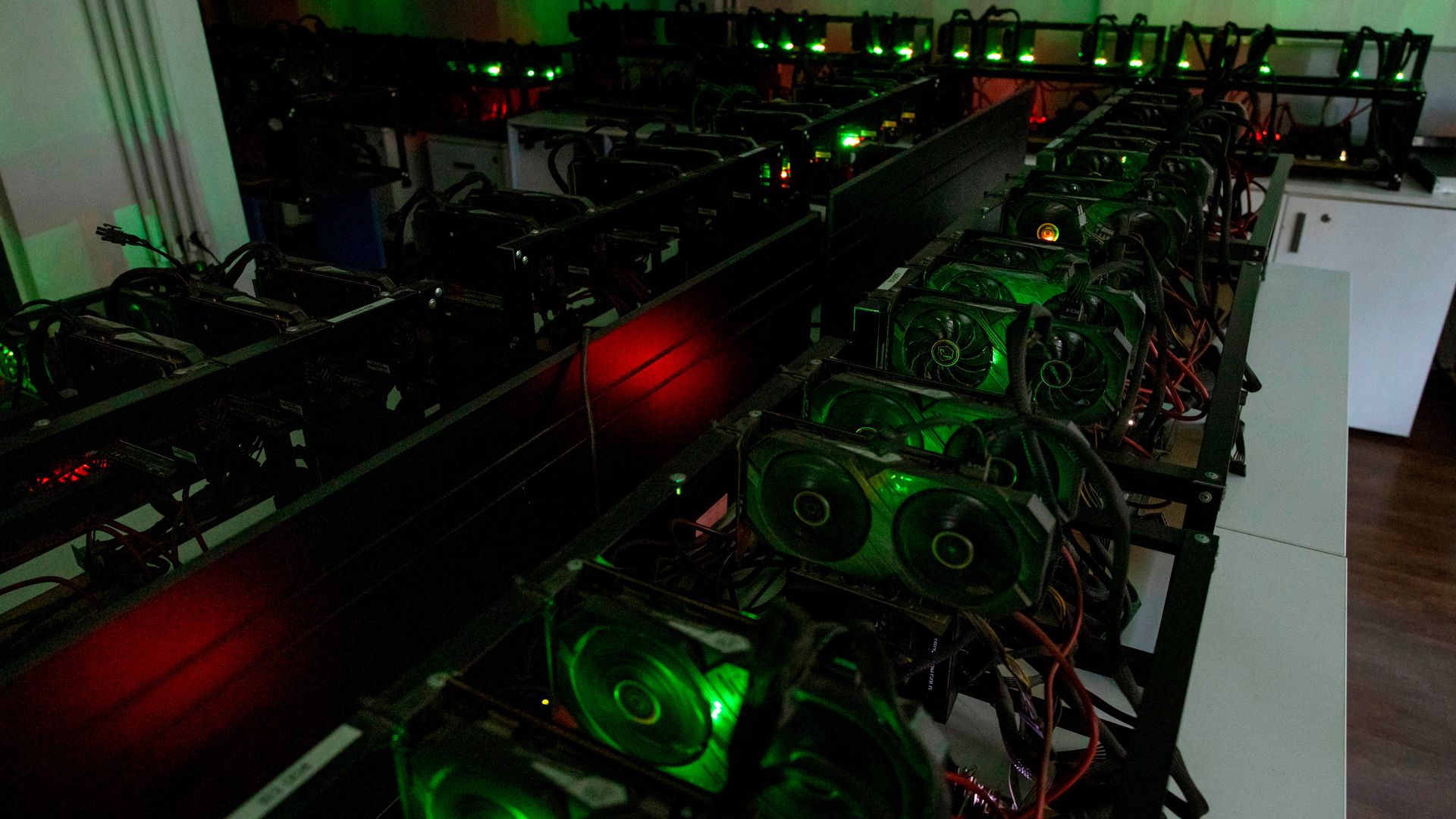
The AWS news, reported by SiliconANGLE, is the clearest sign of how far the US cloud and semiconductor industries have come. AWS’s Graviton5 processors, now powering the R9g and R9gd instances, are designed for data-intensive workloads and are available in multiple regions. The launch of a new processor family from a cloud provider is no longer just a commercial milestone; it is a demonstration of how much of the hardware stack has become vertically integrated within American technology giants. AWS is not merely renting out chips from Intel or AMD; it is designing its own silicon, tuning it for its own workloads, and controlling the road map.

That is not inherently geopolitical. But the fact that AWS is expanding this capability - right as other nations are trying to assert control over chip supply chains - makes it a geopolitical statement. The US cloud market, and by extension US customers, benefit from this independence. Yet it also means that US technology companies are now on the front line of intellectual property disputes, export controls, and court battles that would have seemed exotic a decade ago.

The Courts Are the New Battleground

The Chinese court’s freezing of Nexperia’s assets, as reported by Tom’s Hardware, is the starkest example. Nexperia is a Dutch company, but its parent, Wingtech, is Chinese. The court action is part of Wingtech’s effort to regain control. The frozen amount - $318 million - exceeds Wingtech’s entire first-half revenue, which fell by more than 90% year over year. That last detail is telling: a Chinese company with collapsing revenue is using legal means to seize assets from a Dutch chipmaker, likely due to disputes over ownership or control that originated in earlier acquisitions.

For US technology companies, this is a warning. They often operate globally, with subsidiaries, patents, and cash in multiple jurisdictions. A court order in a foreign country can now reach across borders and immobilize hundreds of millions of dollars. The fact that Nexperia says the seizures won’t affect day-to-day operations is small comfort; the legal precarity itself becomes a cost of doing business. And as the US and China engage in a wider technology rivalry, such legal actions could become more common - not just against foreign firms, but against US firms with Chinese partners, customers, or suppliers.

The implication for the US market is direct: companies that rely on global chip supply chains must now price in the risk of sudden legal or regulatory intervention. That risk may eventually raise costs for US consumers and businesses, as companies diversify their supplier bases or seek legal protections - both of which cost money.

Advanced Packaging as a Bottleneck

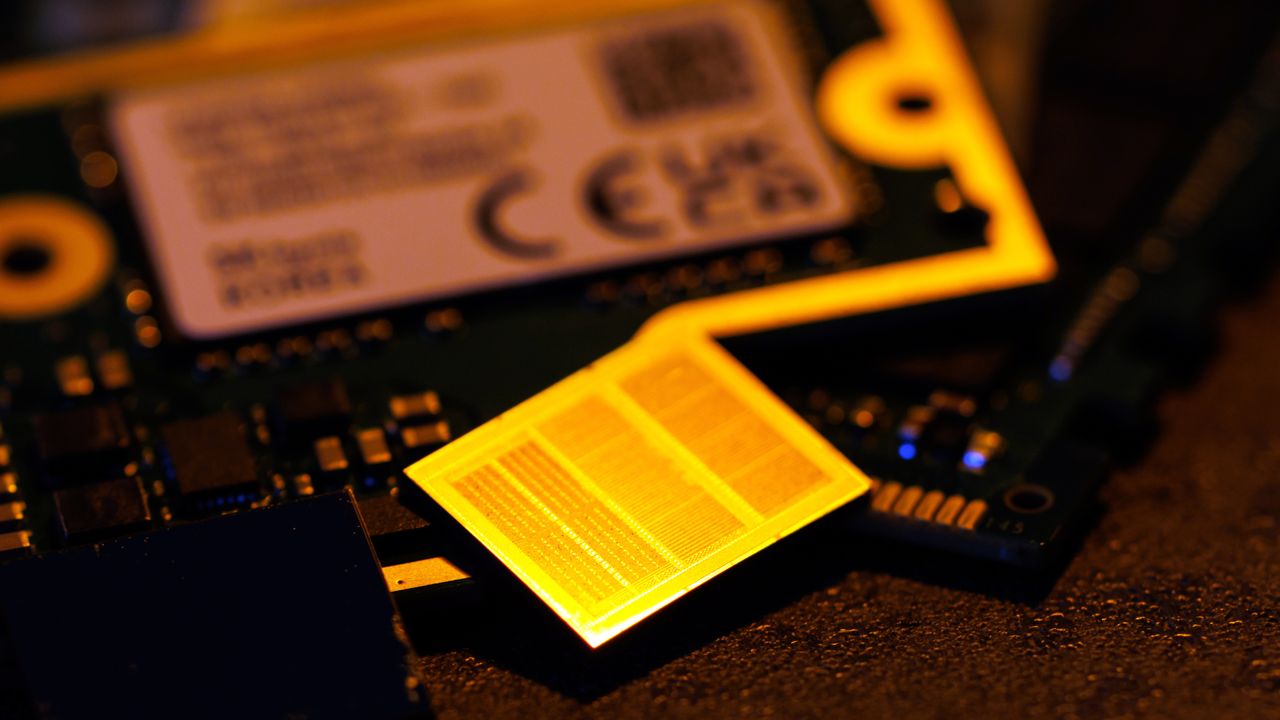
The Tom’s Hardware story on hybrid bonding reveals another, quieter stress point. Hybrid bonding - a copper-to-copper connection technique that replaces solder microbumps in 3D chip stacks - is already in high-volume production for logic. But its application to memory, especially HBM, has been delayed, a postponement that caught many in the industry by surprise. TSMC, the world’s leading foundry, is said to be at 6 microns (presumably a measure of interconnect pitch or alignment accuracy). The delay matters because memory is the lifeblood of data-intensive workloads - the very workloads that AWS’s new Graviton5 instances are designed to serve.


Advertisement

📣

728x90

MID_CONTENT_2

For US technology companies, this delay is a double-edged sword. On one hand, it may hinder the pace of AI and data-center innovation, because memory bandwidth and capacity are often the bottleneck. On the other hand, it creates an opening for US companies that can invest in alternative packaging or memory technologies. But the story also signals that the most advanced manufacturing techniques remain concentrated in a few players, mostly in Asia. The US has been trying to onshore advanced chip production, but hybrid bonding for memory is a new frontier where no US company has yet taken a leading role, according to the story’s facts.

What does this mean for US consumers? In the short term, perhaps nothing. But if the delay slows the release of next-generation data-center hardware, the costs of cloud services - and eventually consumer devices that rely on those services - could rise. The postponement also underscores that the US is not yet self-sufficient in the most advanced packaging technologies, long after it lost leadership in leading-edge logic manufacturing.

Regulation Enters the Hardware Stack

The California age verification bill, which the EFF is asking the governor to veto, may seem unrelated to chips. But the EFF argues that online age verification would require privacy-invasive checks and would step on First Amendment rights, as Tom’s Hardware reported. The bill, A.B. 1709, would affect how websites and online services verify the age of users. If enacted, it would force many US companies to deploy technologies that collect personal data - biometric, government ID, or other sensitive markers - which could pose security risks.

This is the flip side of the hardware coin. While companies like AWS are investing in custom silicon to accelerate computation, regulation may force them to spend on compliance hardware and software that adds friction without adding performance. The age verification debate touches on the very infrastructure of the internet: if companies must verify age for all users, they will need to build systems that can handle sensitive data securely. That requires more servers, more storage, and more advanced security chips - all of which are subject to the same supply chain and geopolitical pressures described above.

For US consumers, privacy is the obvious concern. But there is also a cost angle: companies will pass on compliance expenses, and smaller companies may be hit hardest, potentially reducing competition in the US tech market. The EFF’s stance is that the bill harms free speech; it also harms the hardware industry by adding to the complexity of data handling.

What to Watch

The thread binding these stories is that hardware decisions are no longer made in isolation. AWS launches a processor - and that processor may end up powering age verification systems or not, depending on regulatory outcomes. TSMC delays a bonding technique - and that delay influences the pace of data-intensive workloads, which in turn affects what AWS can offer. A Chinese court freezes assets - and US technology companies reevaluate their global legal exposure.

The question for the months ahead is whether the US market can absorb these pressures without losing its innovative edge. Watch for whether US companies start to bring advanced packaging (especially hybrid bonding) closer to home, or whether they continue to rely on TSMC and other Asian foundries. Watch for more court actions involving foreign-owned or foreign-invested chip companies, and whether they cascade into supply disruptions. And watch whether California’s age verification bill - and similar proposals - pass, because that will set a precedent for how the US government intervenes in the hardware-software stack.

None of these stories on its own is a crisis. But together, they paint a picture of a hardware industry that is becoming as much a subject of law and geopolitics as of engineering. For US technology companies, the new competitive advantage will not come solely from design wins or clock speeds. It will come from resilience - legal, regulatory, and supply-chain resilience - built into the very architecture of their products and companies.

More on this beat: Hardware on TechManNews.

Advertisement

📣

728x90

IN_ARTICLE_5

#AWS#Graviton5#hybrid bonding#Nexperia#age verification#supply chain

Newsletter

Get Tech News in Your Inbox

The latest AI, gadgets, software and startup stories from TechManNews, delivered every morning - free.