📣

Advertisement

Google Ad - 970×90 Leaderboard  TOP_LEADERBOARD_4

The GPU Boom Is Rebuilding America Around Itself

Photo: Tom's Hardware

Article

The GPU Boom Is Rebuilding America Around Itself

Data center investment and consumer GPU prices are rising together, forcing US tech companies and buyers into a single, costly cycle.

Arjun NairSeptember 2, 20265 min read
📣

Advertisement

Google Ad - 970×90 Leaderboard  TOP_LEADERBOARD_4

The Thread

Across the hardware desk, two stories that seem unrelated are actually the same story. One is about trillion-dollar data center construction and the lobbying to make it politically acceptable; the other is about a flagship gaming graphics card that now costs more than $5,000. The connecting thread is that the same semiconductor technology - GPUs - is now driving both industrial-scale AI infrastructure and the consumer PC market, and that shared engine is creating a self-reinforcing cycle of cost and expectation. For American technology companies and consumers, the result is not two separate markets but one continuous pressure system, where the demands of AI data centers set the price of a gaming card, and where public money and political goodwill are increasingly required to keep the whole machine running.

The Upgrade Cycle That Doubles as a Tax

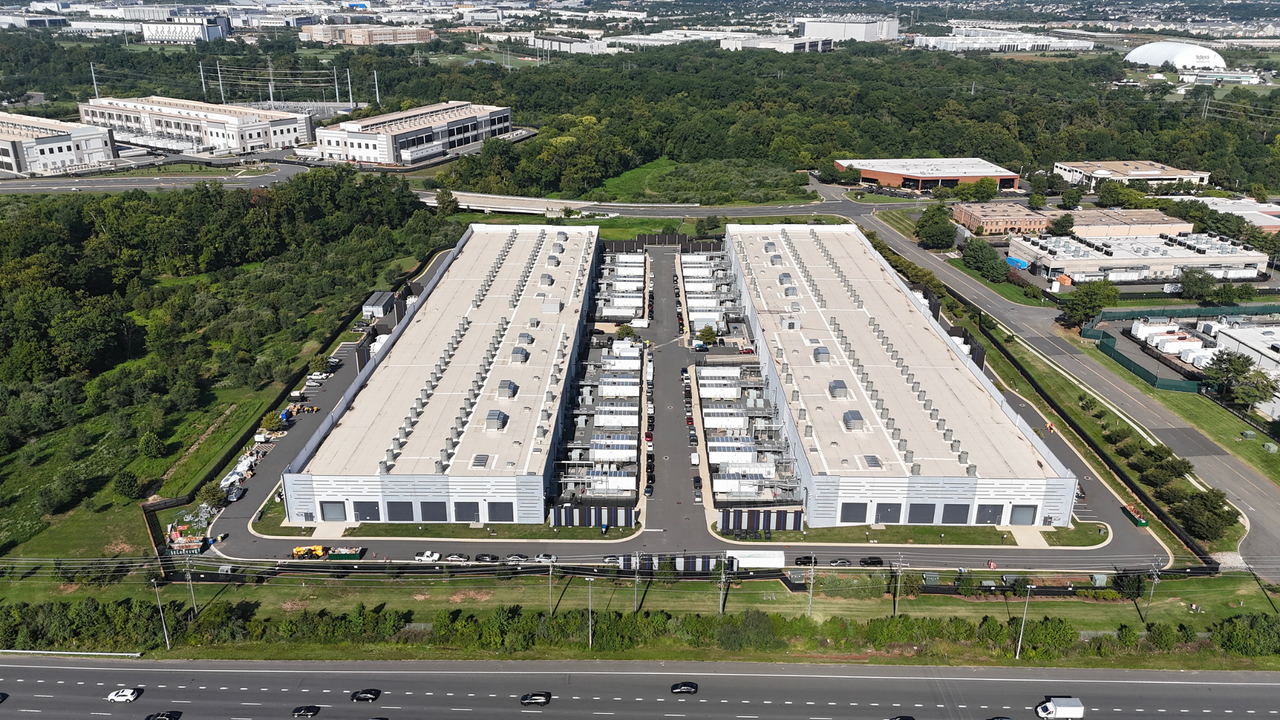
As Tom’s Hardware reported, AI data center investment is projected to hit $32 trillion by 2050 - a figure that dwarfs the capital requirements of railways, electrification, or the internet. The crucial detail, though, is that these are not one-time expenses. Data center operators expect to upgrade their expensive GPUs and related infrastructure every four to six years as new semiconductor technologies arrive. That recurring replacement schedule transforms what might have been a one-time building boom into a permanent annuity for chipmakers and a permanent budget line for operators.

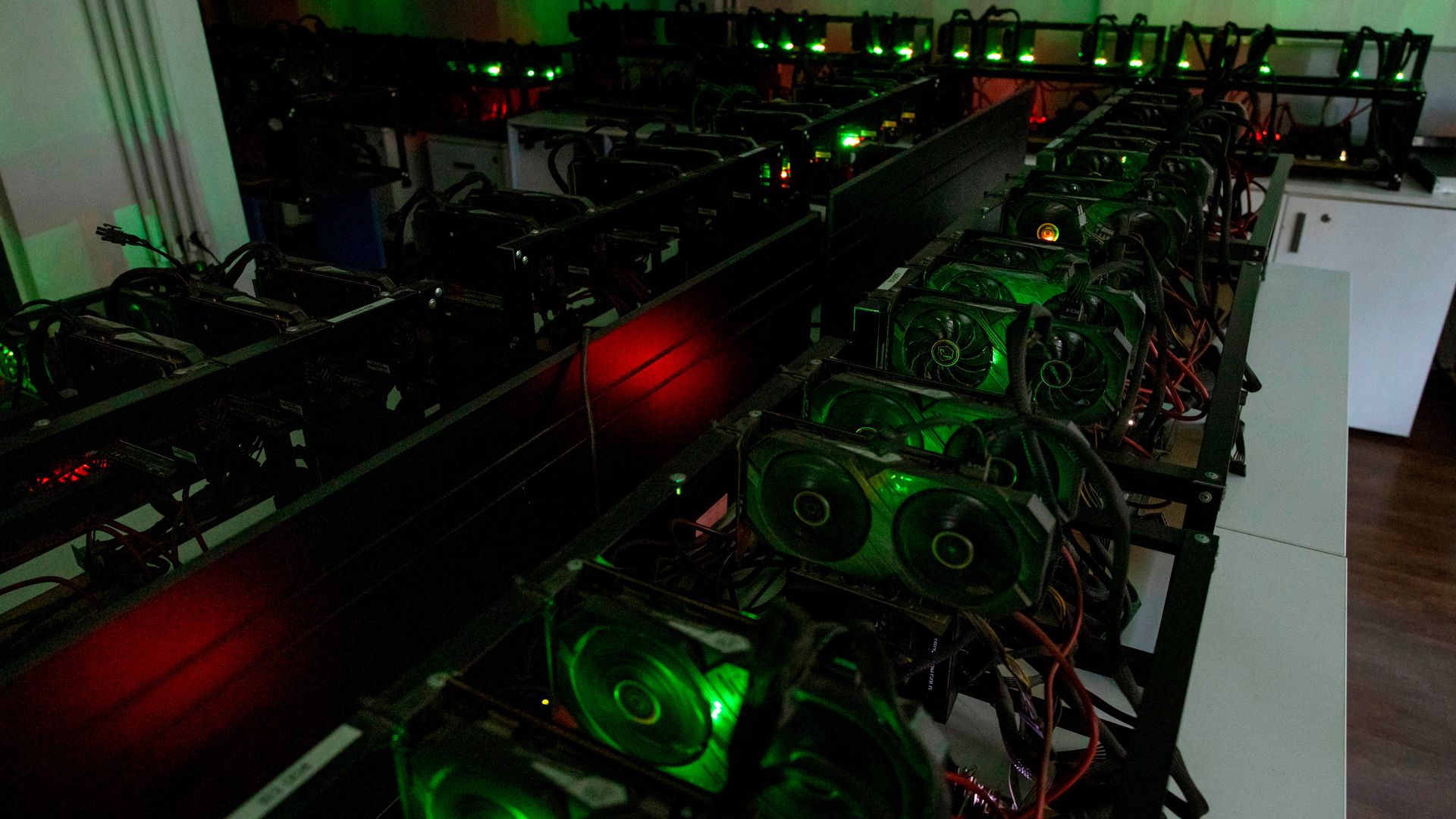
That same cadence now touches consumer hardware. Tom’s Hardware also reported that Nvidia’s top-end RTX 5090 gaming GPU now costs at least $5,000, with the entire PC hardware industry suffering drastic price hikes across budget, midrange, and high-end components. The connection is not accidental. When data center operators buy GPUs by the tens of thousands on a four-to-six-year cycle, they create a steady, predictable demand that semiconductor fabs prioritize. Consumer cards, built on the same architectures and often the same wafers, get whatever capacity remains - and that scarcity shows up directly in street prices. A $5,000 gaming card is not a luxury good; it is the visible retail face of an industrial shortage that begins in a hyperscale server room.

The Politics of Concrete and Chips

For American consumers, the price at the checkout is only half the story. The other half is the political fight over where these data centers get built, and who pays for the roads, power lines, and water that accompany them. TechCrunch reported that a group funded by Andreessen Horowitz, Sam Altman’s former collaborator Greg Brockman, and others is planning to spend millions on ads in select states to sway voters in the upcoming midterms. The group, called Build American AI, is not lobbying for a new tax break or a research grant. It is lobbying for the basic permission to build at all - to convince local residents that data centers are a virtue rather than a nuisance.

That is a significant shift. In previous technology cycles, companies built factories or offices after securing a workforce and a tax incentive. Here, the construction itself is the subject of public opinion campaigns. The scale of projected spending - $32 trillion by 2050 - means data centers will not be hidden in remote corners. They will occupy visible land, consume visible power, and hire visible construction crews. The lobbying effort is a direct response to that visibility: when the physical footprint of AI becomes unavoidable, the industry must buy social license in the same way it buys chips. For US consumers, this means that some of the cost of their next GPU will include the price of television ads in battleground states.

Advertisement

📣

728x90

MID_CONTENT_2

The Consumer Squeeze Is a Structural Feature

The temptation is to view the RTX 5090’s price and the data center boom as separate the former an anomaly, the latter a long-term trend. The stories above suggest otherwise. The same four-to-six-year upgrade cycle that drives data center spending also drives consumer product refreshes. When new semiconductor technologies arrive on the market, data centers buy first, and consumers buy later - if at all. The price of the RTX 5090 is not an anomaly but the equilibrium point of a market where the marginal buyer is a hyperscaler, not a gamer.

For US technology companies without data center budgets, this is a competitive disadvantage. A startup building an AI model must pay retail or near-retail prices for the same silicon that a well-funded rival buys in bulk at negotiated rates. The consumer market, meanwhile, becomes a residual demand pool. Tom’s Hardware noted that everything from budget options to high-end models is now significantly more expensive than it was a year ago. That breadth matters: it means the effect is not confined to flagship shoppers. A family buying a midrange PC for school, or a small business replacing workstations, faces the same squeeze, just at a lower absolute dollar amount.

The Subscription-Free Escape Hatch

Not every hardware company is tied to the GPU supercycle. As The Verge reported, Shelly - known for a budget-friendly flood sensor - announced a $49.99 security camera that works without a subscription fee. The optional subscription expands capabilities, but the base product functions on its own. In a market where a single GPU costs more than one hundred of these cameras, Shelly’s product is a deliberate counterpoint: a piece of hardware that is complete at the point of sale, that does not depend on a recurring cloud service, and that does not require a data center to function.

That positioning is likely not an accident. As AI infrastructure spending compresses the rest of the hardware market, a subset of consumers and companies will seek products that are self-contained, affordable, and subscription-free. Shelly’s camera is a small example, but its significance extends beyond home security. It demonstrates that the hardware market still contains a lane for products designed around user ownership rather than ongoing service revenue. In the context of the $32 trillion data center projection, that lane is narrow but real - and it may grow wider as consumers feel the combined effects of high GPU prices and data center-driven utility bills.

What to Watch

The stories above do not support a clean prediction of when GPU prices will fall or when data center construction will ease. What they do show is a convergence of forces that will shape the US technology market for the rest of the decade. The four-to-six-year upgrade cycle is not a one-time event; it is a repeating clock. The next tick will come when new semiconductors arrive, and data centers will again buy first. Consumer prices will follow whatever that demand leaves behind.

Watch, then, for two signals. First, the effectiveness of Build American AI’s ad campaign in the midterms: if data center construction becomes a winning political issue, expect more projects and more lobbying, which may accelerate the upgrade cycle and keep GPU prices high. Second, watch whether other hardware makers follow Shelly’s lead toward subscription-free, self-contained devices. If they do, it will signal that the market is segmenting into two hardware economies - one tied to the AI data center machine, and one deliberately detached from it. For US consumers, the choice between those two economies may become the defining hardware decision of the next several years.

More on this beat: Hardware on TechManNews.

Advertisement

📣

728x90

IN_ARTICLE_5

#GPUs#AI infrastructure#data centers#consumer hardware#US tech policy#PC market

Newsletter

Get Tech News in Your Inbox

The latest AI, gadgets, software and startup stories from TechManNews, delivered every morning - free.