The laptop industry's center of gravity is moving away from the machine itself. Recent coverage on this beat - smart glasses as monitor replacements, external GPUs versus onboard graphics, and Windows' built-in battery diagnostics - points at one pattern: the personal computer is increasingly defined by what surrounds and services it, not by the hardware sitting on the desk. That shift matters for US manufacturers, US buyers, and the retail and support economy built around both.
The Box Is No Longer the Product
The traditional pitch for a PC was simple: buy a better box, get a better experience. The three stories logged on this beat recently all complicate that pitch in different ways. Engadget's look at smart glasses as monitor replacements asks whether the display needs to be a physical object on a desk at all. Engadget's inquiry into eGPUs versus onboard laptop graphics asks whether the graphics card needs to live inside the laptop. And Engadget's guide to Windows' built-in battery diagnostic tool asks how long the box can keep doing its job before the user needs to intervene.
In each case, the laptop is treated as one component in a larger arrangement. That is a meaningful change in how the category is framed, and it has direct consequences for the companies selling into the US market.
Modularity Sounds Better Than It Usually Is
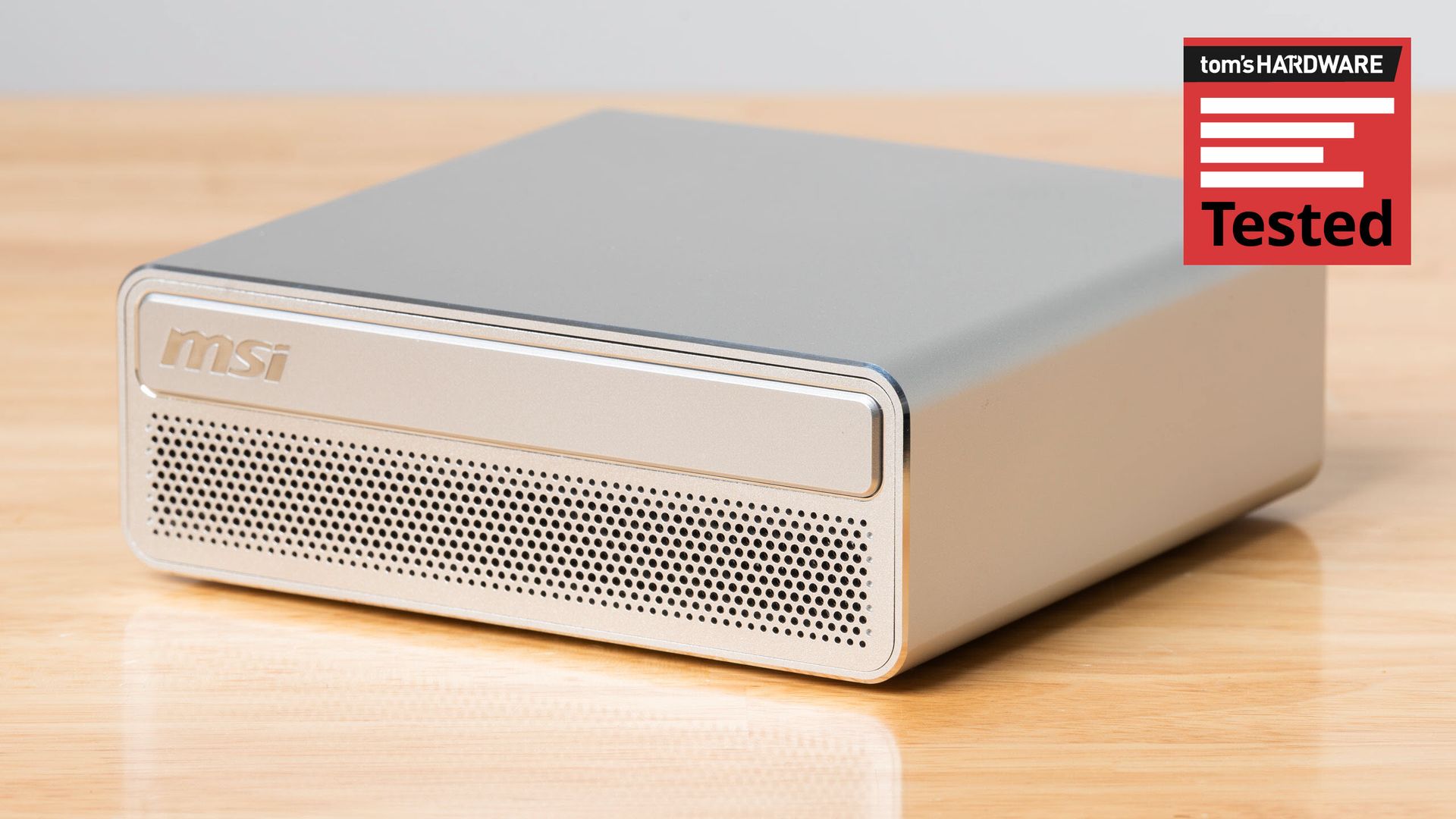
The eGPU question is the clearest example. Engadget frames the choice plainly: whether an eGPU is worth it depends on the factors a buyer should weigh. The framing itself is the story. A decade ago, a laptop buyer comparing graphics options was choosing between tiers of a fixed configuration. Now the comparison is between a self-contained machine and a machine that borrows power from an external enclosure.
That sounds like flexibility, and sometimes it is. But an external graphics enclosure is another purchase, another power draw, another thing on the desk, and another compatibility question. The onboard graphics card, by contrast, arrives already integrated, already validated, already supported. For most US consumers, the practical answer will favor the integrated option, which is exactly why the eGPU question keeps resurfacing without ever resolving: it is a niche tool dressed as a mainstream choice.
For US technology companies, the implication is subtler. Vendors that build external enclosures and the ecosystem around them are selling a promise of upgradeability. Vendors that build laptops are selling a promise of simplicity. Those two promises compete for the same buyer, and the buyer rarely gets both.
The Display Is Following the Same Path
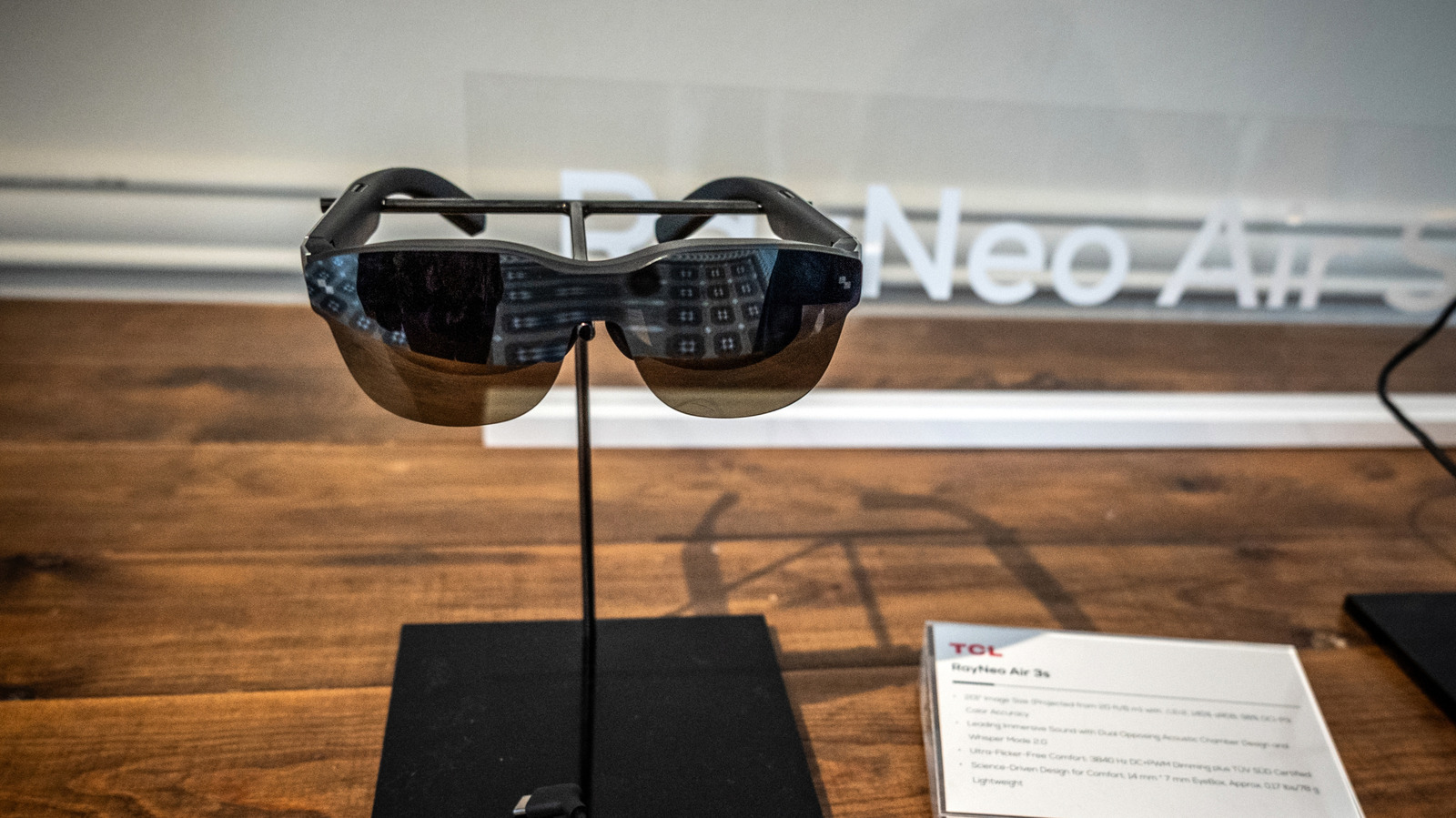
Smart glasses as monitor replacements run the same logic one step further. Engadget's coverage is careful: smart glasses could one day replace a desk setup with a screen that follows the user, but there are things to consider before making the switch. The "one day" is doing a lot of work in that sentence, and it should. A monitor is the most settled, most standardized, most reliable part of a desktop setup. It does not need charging, it does not need a firmware update cycle that changes behavior, and it does not require the user to wear it.
Smart glasses offer portability and a screen that travels. What they do not yet offer, on the evidence Engadget presents, is a reason for most desk-bound workers to abandon a display that already works. The pattern is the same as with eGPUs: the alternative is real, the tradeoffs are real, and the mainstream answer remains the integrated, boring option.
That matters for the US market because display and peripheral spending is a large, stable part of the PC economy. If glasses ever take share from monitors, the beneficiaries will be the companies that make the glasses and the losers will be the ones that make panels and stands. Engadget's framing suggests that transition is not imminent, and the story is worth reading as a check on enthusiasm rather than a signal of it.