The recent run of gadget news points to a single thread: the most consequential hardware work right now is happening inside categories that already exist, not in new ones. A matte OLED phone, a lighter touchscreen laptop, a fitness tracker that splits the difference between two established products, and a power bank guide for gear people already own all describe refinement, not reinvention. For US technology companies, that shift changes what a launch is for - it is less about opening a frontier and more about winning an upgrade.
Refinement Is the Product
The clearest example comes from The Verge's report on the TCL P80 Ultra, a midrange Android phone whose standout feature is a matte OLED display. The reviewer describes spending most of two weeks with what is otherwise an unexceptional phone and finding that the screen is by far the best thing about it. That is a striking admission about the current state of the category: the differentiating feature on a midrange device is not a new chip or a new camera system, but a finish applied to a display technology that already exists. The same logic runs through the reported touchscreen OLED MacBook Pro, which Engadget notes is expected to be "significantly lighter." Weight is not a new capability. It is a refinement of a machine that already does what buyers need it to do. When the headline spec is measured in grams, the category has matured.
The Matte Display as an Upgrade Trigger
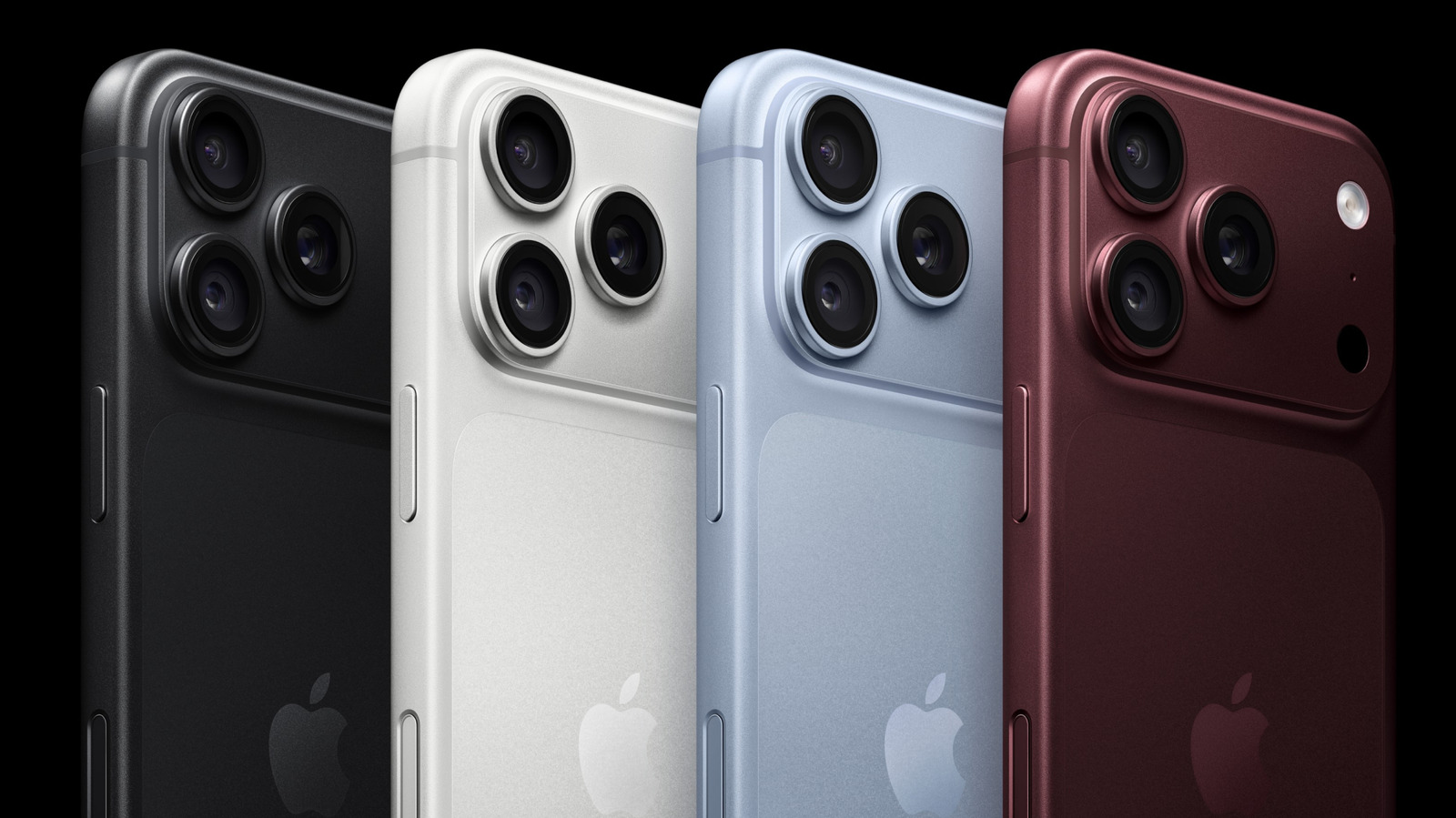
The Verge's framing of the TCL screen matters because it connects the matte finish to the iPhone Duo and its matte inner display. The reviewer says the P80 Ultra made them more excited for the iPhone Duo, which is an unusual direction for enthusiasm to travel. Normally a midrange Android phone benefits from features that trickle down from flagship devices. Here, the appeal runs the other way: a matte OLED on an inexpensive phone becomes a reference point for what a premium foldable's inner display should feel like. Glossy screens have been the default for so long that a matte finish reads as new, even though the underlying panel is not. For US consumers, this is a reminder that the most visible upgrades in the next cycle may be about how a screen behaves in daylight and under fingerprints rather than about resolution or refresh rate. For US companies, it suggests that the marketing language around displays may need to shift from specifications to experience. The question buyers will ask is not how many pixels, but whether they can read the thing outdoors.
Wearables Split the Difference
The Verge's report on leaked images of the Fitbit Edge describes a device that appears to succeed the midrange Charge line and that, per images posted by Android Headlines, splits the difference between the Pixel Watch and something else in Google's lineup. That phrase - splitting the difference - is the same move as the matte phone and the lighter laptop. A company with two established product lines does not need a third; it needs a product that occupies the space between them, capturing buyers who find one too expensive and the other too limited. The leak suggests Google is filling a gap in its own portfolio rather than creating a new category. That is a rational response to a market where the wearable category is already crowded and the cost of educating consumers about a genuinely new form factor is high. It also raises a question about brand clarity: when a fitness tracker sits between a watch and a band, the consumer has to work out which one they are actually buying. That burden falls hardest on US buyers, who face more wearable options than most markets and less patience for overlapping product lines.