๐Ÿ“ฃ

Advertisement

Google Ad - 970ร—90 Leaderboard ย TOP_LEADERBOARD_4

GPU Value Is Fracturing as Upgrade Paths Narrow

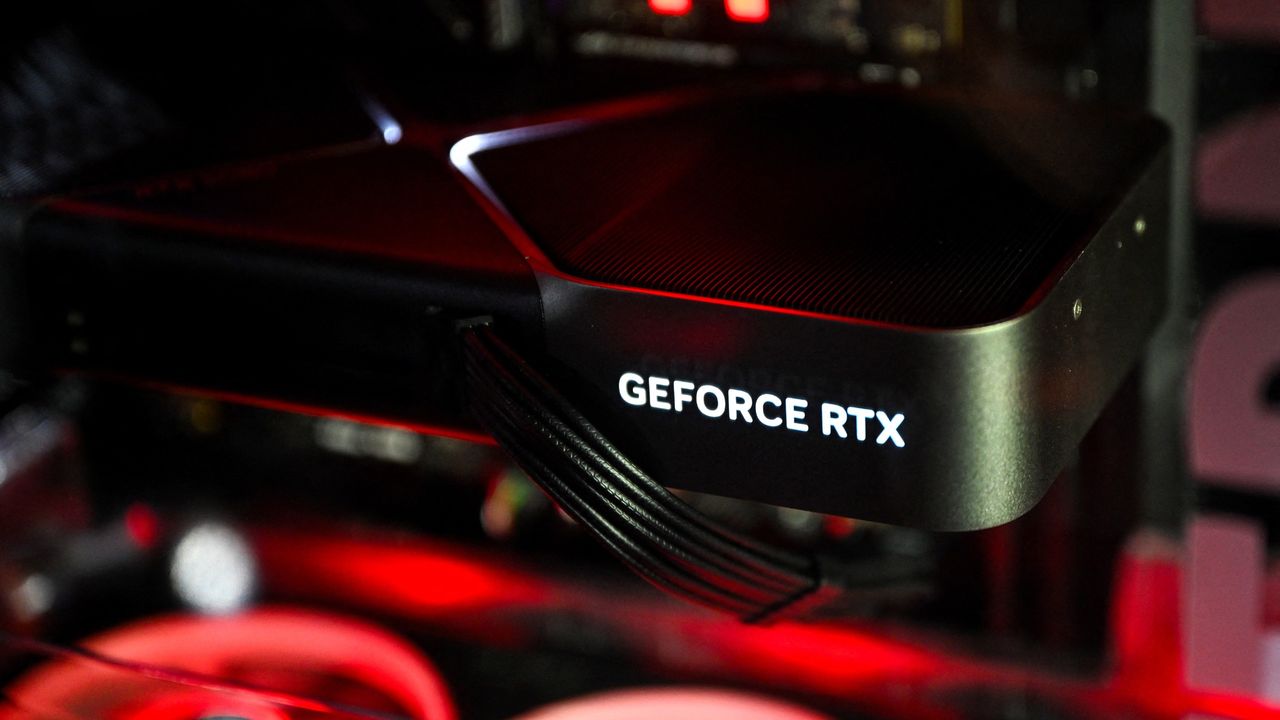
Photo: Engadget

Article

GPU Value Is Fracturing as Upgrade Paths Narrow

Arjun NairSeptember 8, 20266 min read

Recent GPU stories show a market splitting into scam-prone resale, modded legacy cards, and fleeing vendors - leaving US buyers with fewer safe upgrade routes.

๐Ÿ“ฃ

Advertisement

Google Ad - 970ร—90 Leaderboard ย TOP_LEADERBOARD_4

The Thread: The GPU Market Is No Longer One Market

The four stories logged on the hardware desk this week are not isolated incidents. They are symptoms of a single condition: the graphics card market has fractured into at least three distinct, poorly governed submarkets - new high-end cards preyed upon by resale fraud, aging cards kept alive by software tricks, and the cutting-edge of hardware development itself losing corporate backers. For US consumers, this means the old mental model - buy a new GPU every few years and get predictable performance - no longer holds. The path from purchase to performance now runs through scam checkpoints, unofficial mods, and vendor pullbacks that did not exist a few years ago.

The Scam Layer: Hollow Cards Expose the Resale Economy

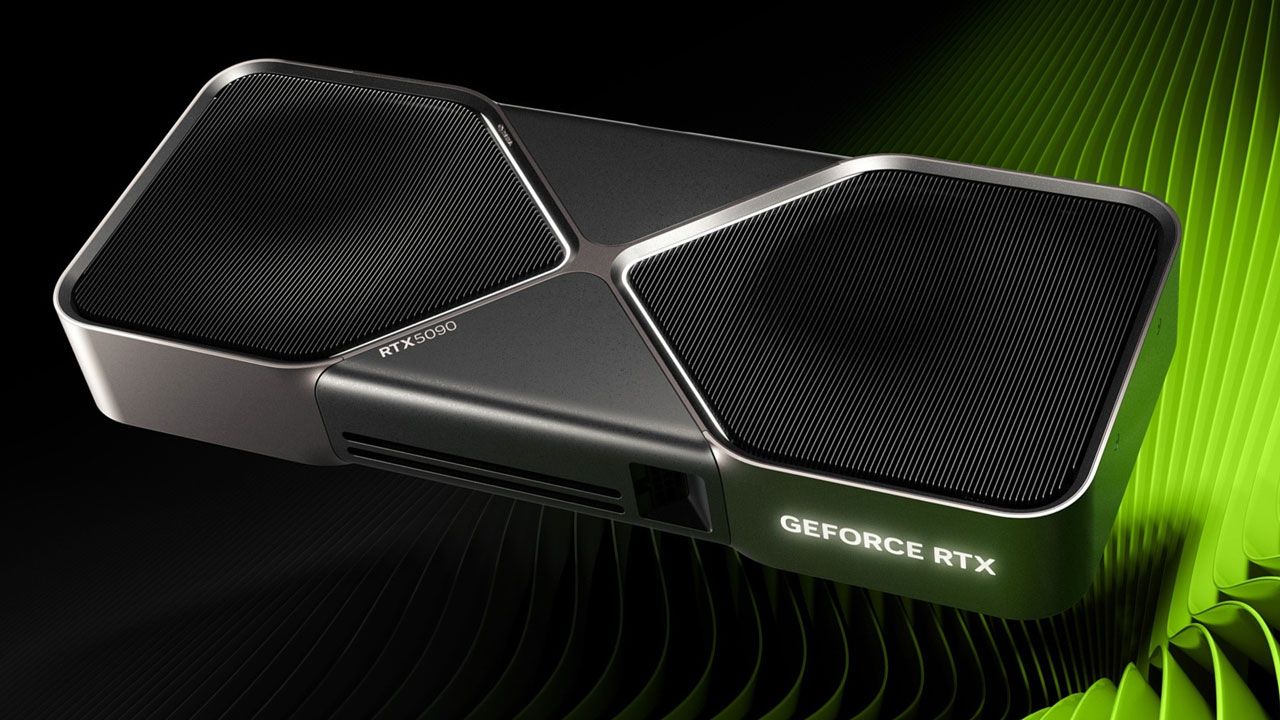
The German case of a fraudster selling hollow RTX 5090 GPUs - cards stripped of their core and memory chips - for thousands of dollars is the most visible crack in this fracture. As Tom's Hardware reported, the scammer netted roughly $5,000 despite the cards being worthless. That a buyer across two separate transactions would pay thousands for a card that cannot even output a display is not merely a story about one bad actor. It is a story about how the high-end GPU market has become so overheated, and so dependent on trust in third-party sellers, that even physical inspection before purchase is not happening.

US consumers are particularly exposed because the domestic market for the RTX 5090 class is supply-constrained and high-priced. When official retail channels are empty, buyers turn to classifieds and auction sites. The hollow-card scam works because a GPU's outer shell, cooler, and printed circuit board look legitimate; only a full power-on test reveals the missing silicon. As this scam spreads worldwide - with Tom's Hardware noting similar cases elsewhere - the lesson for US buyers is grim: the premium price of a flagship GPU now includes a risk premium for fraud that no retailer warranty covers. This is not a minor annoyance; it is a structural failure of the resale channel that pushes more buyers toward unsafe gray-market purchases.

The Mod Layer: DLSS Unlocked Shows Legacy Hardware as a Third Path

At the other end of the market, the 'DLSS Unlocked' mod promises to bring DLSS 5 and multi-frame generation to RTX 20, 30, and 40 series cards. As Tom's Hardware reported, the mod combines existing tools - OptiScaler_DLSSNR and DLSS Enabled - to tap AMD FSR 3.1 and boost frame rates up to six times. Performance remains untested, but the mod's existence tells a deeper story: hardware that is two or three generations old is now considered a viable platform for the newest features, but only through unofficial, unsupported software.

That is a new normal for the US market. For years, the GPU upgrade cycle was driven by new games requiring new hardware. Now, the strongest performance features - multi-frame generation and neural rendering - are being withheld from older cards by the vendor, and the community is filling the gap with mods that may or may not work. For a US consumer with an RTX 30-series card, the choice is no longer "upgrade to a 50-series" or "play at lower settings." The choice is now "upgrade to a 50-series, run an untested mod, or accept you are locked out of new technology." That is a fragmented decision space, and each option carries different risks: the mod might break a game, might reduce stability, or might work flawlessly - no one can say until it is tested. This uncertainty is a direct consequence of the vendor locking features to new hardware, which then forces users into a gray zone of community patches.

Advertisement

๐Ÿ“ฃ

728x90

MID_CONTENT_2

The Vendor Pullback: NEC's Exit Signals Fewer Players in Cutting-Edge Silicon

The third story - NEC quietly quitting quantum computing hardware development, as Tom's Hardware reported - seems at first unrelated to consumer GPUs. But it is not. NEC's departure is a data point in a broader trend: the companies that build the most advanced computing hardware are shrinking in number, and those that remain are focusing on software or applications rather than silicon. NEC says it will continue to evaluate practical applications and industrialization of quantum technologies, but it is abandoning the hardware itself. That is a pattern US technology companies should watch closely, because quantum computing is not the only field where hardware development requires staggering capital and yields uncertain returns.

The same logic that pushed NEC out of quantum hardware - high cost, long timelines, uncertain revenue - is present in the advanced GPU market. Only a handful of companies can design and fabricate the most advanced chips, and any one of them could decide the margin is not worth it. For US consumers, this means the already narrow set of choices at the top end could become narrower. If a major vendor were to follow NEC's path and pivot from hardware to software or services, the entire GPU ecosystem - from drivers to resale value - would shift. NEC's exit is a warning that even the most ambitious hardware projects are not immune to corporate reevaluation.

The Consequence: Return on Investment Is Now Unpredictable

Taken together, these stories reveal that a GPU purchase no longer has a predictable return on investment. The buyer of a new RTX 5090 faces the risk of receiving a hollow card, losing thousands. The owner of an older RTX card faces the choice of relying on an untested mod or missing out on the latest features. And the entire industry faces the possibility that hardware development itself will be deprioritized by major players, as NEC's quantum exit demonstrates. None of these risks existed a decade ago, when a GPU was a commodity with a clear retail channel and a standard upgrade path.

For the US market specifically, this is consequential because American consumers have historically been early adopters and heavy spenders on high-end graphics hardware. If the market becomes a minefield of scams, unsupported mods, and shrinking vendor commitment, the rational response is to delay upgrades, which then depresses demand, which then gives vendors less reason to innovate - a vicious cycle. The hollow-card scam is the most acute symptom of that cycle: when new cards are scarce and expensive, the secondary market fills with bad actors. The DLSS mod is the adaptive response: when vendor support ends, users hack their way forward. NEC's exit is the strategic response: when hardware becomes too costly, exit the hardware business.

What to Watch

What matters next is not whether one mod works or one scammer is caught. What matters is whether the official GPU market can restore itself. Watch two things in the coming months. First, whether the RTX 50-series supply constraints ease, because if they do not, the hollow-card scam will continue to find victims in the US. Second, whether the major GPU vendors respond to the DLSS Unlocked mod - if they embrace it as a way to keep older hardware relevant, or if they issue takedown notices and push users back into a forced upgrade cycle. Neither outcome is guaranteed, but both will define whether the GPU market heals its fractures or widens them. NEC's quantum exit suggests that even the most patient hardware investors are losing faith; the consumer GPU market may soon have to prove it can offer value without relying on scarcity, secrecy, or unsupported hacks.

More on this beat: Hardware on TechManNews.

Advertisement

๐Ÿ“ฃ

728x90

IN_ARTICLE_5

#gpu#windows#update#quantum computing#hardware#chips

Newsletter

Get Tech News in Your Inbox

The latest AI, gadgets, software and startup stories from TechManNews, delivered every morning - free.