The Real Bottleneck Is Not the Chip
Look past the melting connector, the condemned building, and the oversized resin printer, and one pattern emerges: the hardest limits on modern hardware are no longer found on the silicon die. They are found in the power cable, the municipal water line, and the workshop bench. Each of this week's stories is a case study in the same phenomenon - when you push a device or a system to its advertised capability, the first thing to fail is the infrastructure that was assumed to be adequate. For American consumers and companies, the takeaway is uncomfortable: buying the fastest, biggest, or most feature-rich product now means auditing the physical world around it, not just reading a spec sheet.
When Software Becomes a Power Draw
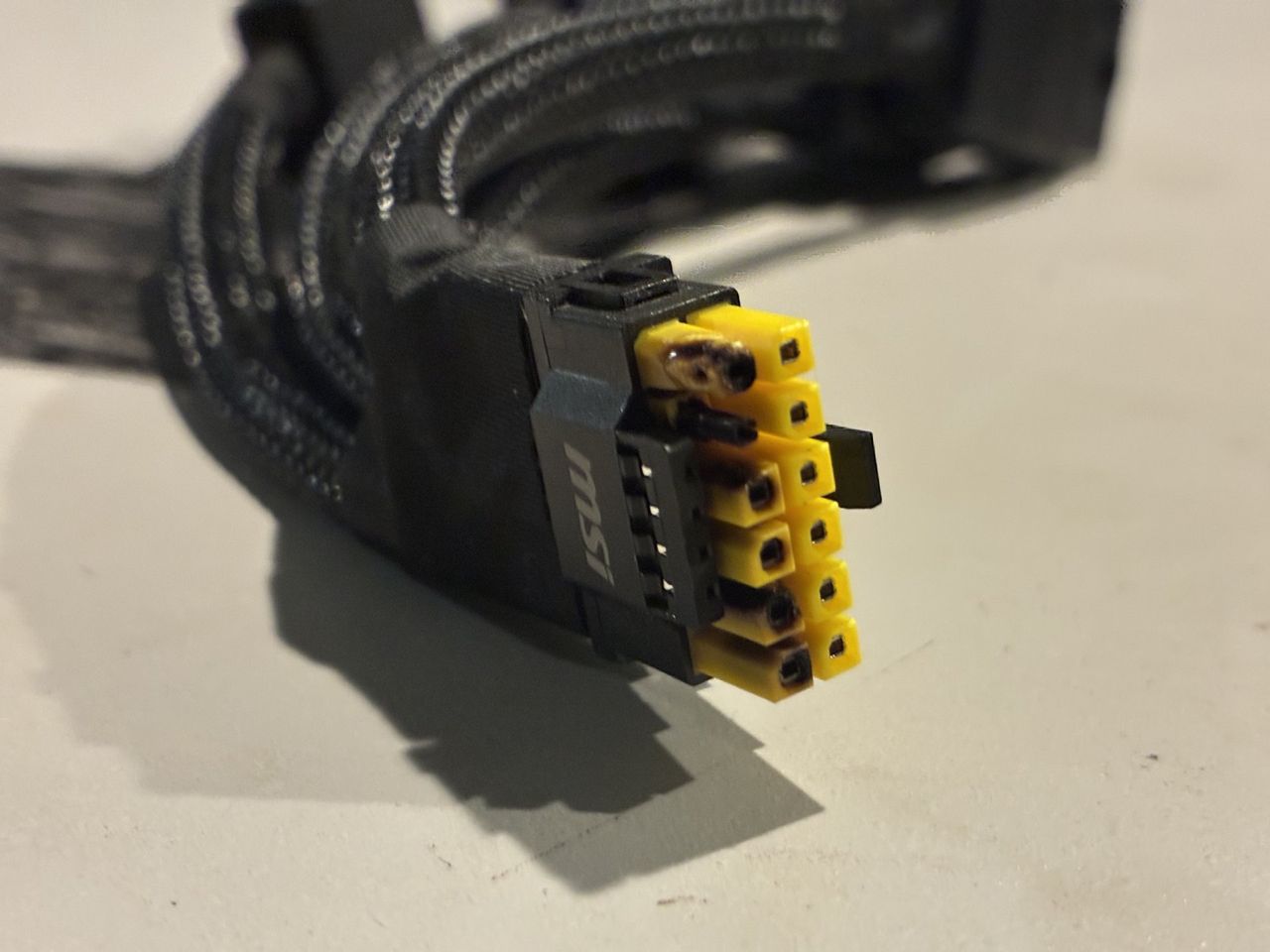
The first story, as reported by Tom's Hardware, frames the latest RTX 5090 failure not as a simple connector defect, but as a consequence of software-driven power demand. An enthusiast testing DLSS 5 found that the neural rendering technology pushed the card past 600 watts, and the 16-pin connector subsequently melted. The report notes that DLSS 5 can add up to 50% more power draw under testing. That is a striking inversion of the usual narrative in which upscaling and neural features are sold as efficiency gains - doing more with less. Here, the feature is doing more with more, and the physical connector is the weak link.
For the American buyer who spent heavily on a flagship GPU, the implication is direct: the software you enable can change the hardware's electrical behavior faster than the hardware's rated limits can adapt. The connector has been a known failure point in earlier RTX 5090 reports, but this incident shifts blame from a manufacturing flaw to a system-level design mismatch. No one forces a user to turn on DLSS 5, but the feature is marketed as a headline capability. When enabling a headline capability risks melting a power connector, the product has outgrown its own power delivery standard. The United States market, which tends to have high household power standards but also high adoption of enthusiast components, is where this tension will surface most visibly in home builds and small-scale AI workstations.
The Data Center That Took Water for Granted
The second story, also from Tom's Hardware, is about a Bitcoin mining data center in El Reno, Oklahoma. That facility leaked 3 million gallons of water and has since been condemned. Critically, the facility operated for years under a city stop-work order. The leak was large enough to force school closures. This is not a story about a clever mining rig or a new ASIC; it is a story about what happens when a power-hungry, water-hungry operation ignores the civic infrastructure it depends on.
Here the pattern is more explicit: high-performance computing does not live in the cloud. It lives in buildings with pipes, cooling towers, and municipal oversight. The water leak was not a chip failure or a software bug, but the consequence of operating a dense computing facility without maintaining the physical plant. For US technology companies, including the hyperscale cloud providers and the crypto miners that lease from them, this is a cautionary tale about environmental, social, and governance reporting that focuses on energy but forgets water. The city had already issued a stop-work order; the facility kept running. The eventual failure was not a surprise but an inevitability. The lesson for the American market is that infrastructure neglect eventually shows up as a sudden, costly, and public event - not as a slow efficiency loss.
Bigger Printers, Bigger Benches
The third story is a consumer hardware review from Tom's Hardware: the Anycubic Photon P1 MAX, a large resin printer. It has a heated vat, Wave Release Technology, and a large, locking build plate and vat. The trend in resin printing is toward larger build volumes and more integrated features. But what the review implies - and what the other stories underline - is that a bigger printer is not just a bigger purchase. It demands more space, more ventilation, more resin handling, and more electrical capacity for the heated vat. A hobbyist who buys this printer is not just buying a machine; they are buying a new set of physical constraints on their workshop.