The deals logged on this beat point to a single pattern: acquirers are spending to control the moment a product or platform becomes visible, not merely the assets behind it. HPE is still selling the logic of its Juniper Networks purchase more than a year after closing, xAI moved on the dot.com domain before OpenAI's Dots launch, and even a video game's reception turns on how much of its world the player is willing to read. In each case, the transaction is about shaping the conditions of attention and adoption before a market settles.
HPE Sells the Story After the Deal
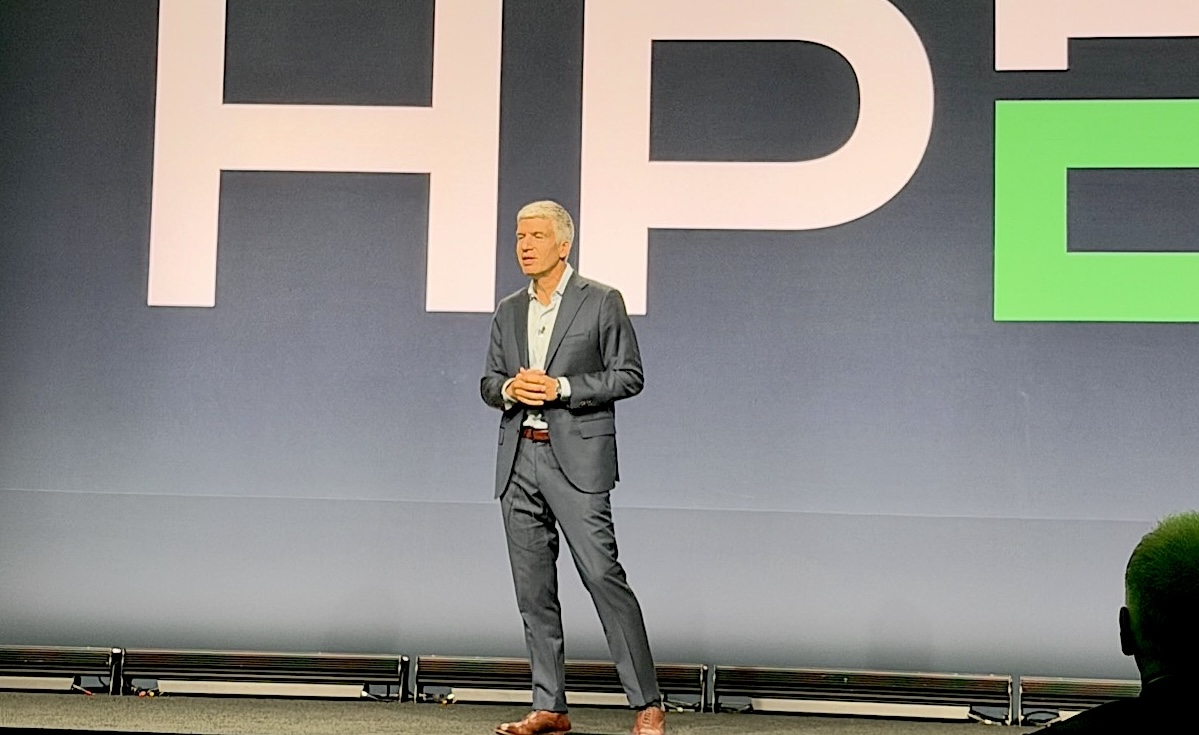
A little over a year after closing the Juniper Networks acquisition, Hewlett Packard Enterprise used its Networking Investor Day to argue that networking is no longer a supporting act, according to SiliconANGLE. That is an acquisition argument aimed at investors rather than customers. The company says its combined networking business will grow from $9.3 billion, a figure it offered to support the claim that the deal repositioned the unit as the growth engine. The timing is notable. In large enterprise acquisitions, closing is not the endpoint; the buyer must keep justifying the premium long after the paperwork clears. HPE's investor day is a reminder that the deal cycle now extends into a persuasion cycle, one that runs for years and depends on the same metrics shareholders use to judge the rest of the business. For US technology companies, this means acquisitions are increasingly marketed as narratives with quarterly proof points. For the US market, it means investors should expect a long tail of re-explanations when a deal is meant to change a company's center of gravity.
Portfolio Math as the Deal Thesis
The HPE commentary matters because it frames an acquisition as a change in mix rather than a simple addition of revenue. Networking moving from supporting act to growth engine is a claim about where the combined company earns its future. That kind of claim invites scrutiny, because it implies other parts of the portfolio are less central. The Juniper deal is presented as the mechanism that shifted that mix. The investor day, then, functions as an extension of the transaction itself, an effort to lock in the interpretation of the deal before rivals or analysts impose a different one. On the acquisitions beat, the lesson is that the most important deal documents are sometimes not the merger agreements but the presentations that follow them.
xAI Buys the Address, Not the Product
A different kind of pre-emptive buying appears in TechCrunch's report that before OpenAI launched its new AI agent, Dots, on Tuesday, Elon Musk's xAI had already acquired the domain name dot.com, which now redirects to the Grok chatbot download page. This is not an acquisition of a company, but it is an acquisition of a doorway. In consumer technology, the domain a product name maps to can shape discovery, especially when the name is generic enough that users guess the address. By controlling dot.com, xAI inserted itself into the moment OpenAI's Dots became news. TechCrunch's framing, that the internet was convinced xAI had trolled the launch, captures how quickly a domain purchase can be read as a competitive act. For US consumers, the practical effect is that a familiar-looking web address may route to a different company than the one they expected, a small but real friction in how product names are learned. For US technology companies, it is a reminder that naming and addressing are now contested terrain, and that dealmaking can be defensive even when no product changes hands.