The week's hardware news reads as four separate stories, but it is really one. The thread is that the physical layer of technology - silicon, memory, chips, and the gadgets built around them - is being reshaped less by breakthrough engineering than by where rules apply, where they don't, and who ultimately absorbs the cost. Enforcement, litigation, and pricing power are doing more to determine what ships and who gets it than any single product launch.
The Export-Control Gap Is a Routing Problem
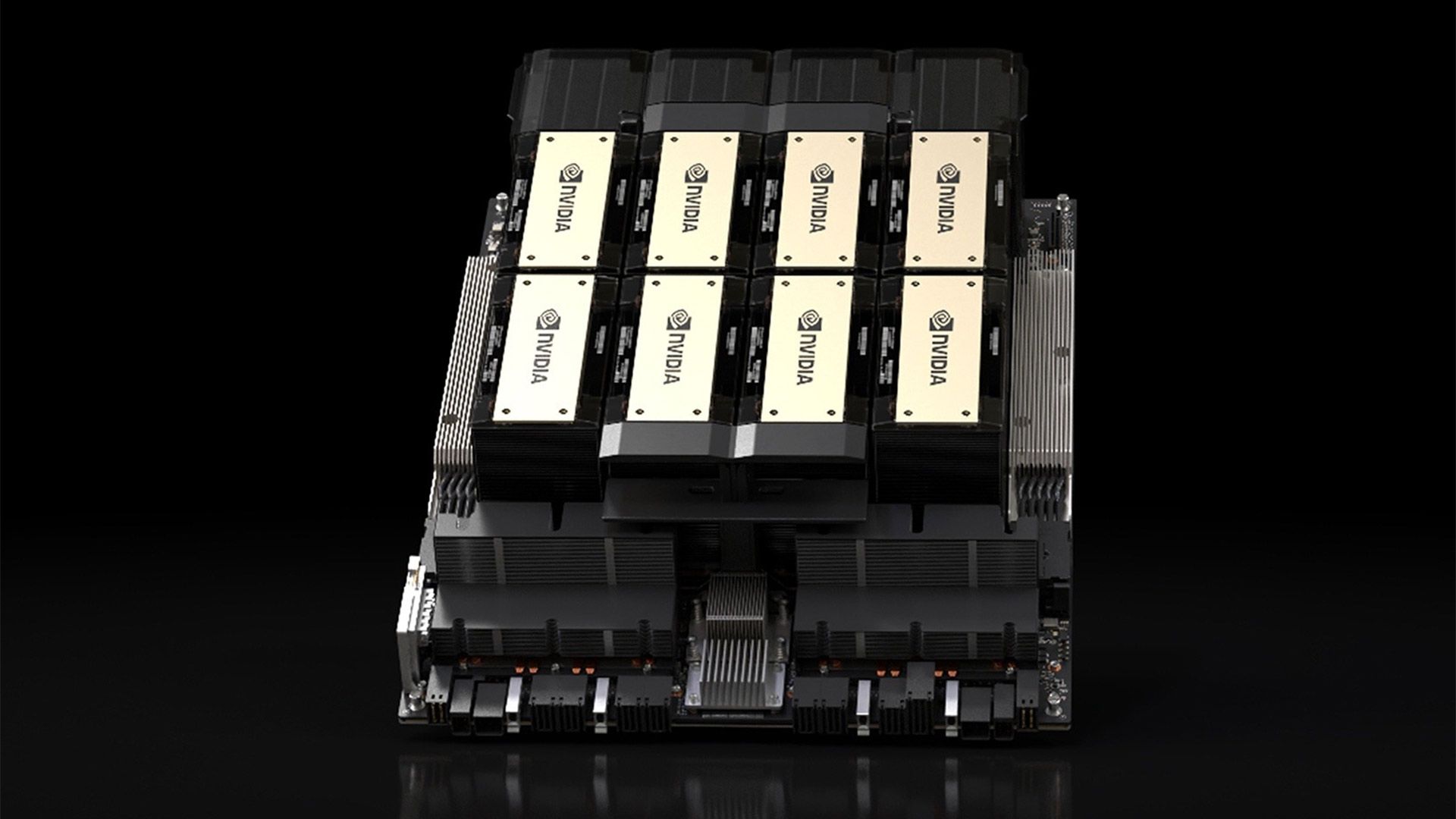
Tom's Hardware reported that China's ByteDance gained access to more than 2,000 Nvidia B200 chips through a Norway data center, via a deal between UK-based Nscale and Spring (SG) Pte Ltd, a subsidiary of the Chinese tech giant. The detail that matters is not the count. It is that Nscale did not directly name the TikTok parent in filings for a U.S. IPO, and a supporting document labeled Spring only as a significant customer.
That is the pattern. Advanced accelerators remain restricted at the point of export, but the corporate structures that buy and operate them are opaque by design. A subsidiary here, a customer label there, a data center in a third country - and the restricted part ends up in the hands of the entity the restriction was meant to reach. This is not necessarily a violation of any specific rule; it is a demonstration that rules written around direct sales are poorly matched to a market that routes through intermediaries.
For US technology companies, this cuts two ways. Nvidia and its peers face a compliance environment where the same chip can be sold legitimately into one channel and arrive somewhere politically sensitive through another, with reputational and regulatory exposure following. US policymakers face the uncomfortable reality that tightening the letter of the rules pushes activity into structures that are harder to see, not necessarily harder to build. And US investors in the affected companies - including any considering an IPO - inherit disclosure risk when a significant customer's ultimate owner is not stated plainly.
The Courts Are the Other Chokepoint
Where export controls operate at the border, patent litigation operates in the courtroom, and Tom's Hardware also reported that China's YMTC won a patent battle against Micron in an ongoing three-year legal war over memory patents. A Munich court granted YMTC two injunctions against Micron over 3D NAND patents.
This is the mirror image of the export story. If you cannot always control who buys the chips, you can still control who is allowed to sell them in a major market. A German injunction against a US memory maker, obtained by a Chinese memory maker, is a reminder that the leverage in this contest runs both directions. US firms have long treated intellectual property as a reliable moat; that assumption holds only as long as foreign competitors are not building their own patent positions and enforcing them in venues that move quickly.
For US technology companies, the practical consequence is that supply-chain decisions now carry legal risk that has nothing to do with engineering. For US consumers, memory patent fights eventually surface as pricing and availability, because injunctions remove product from markets and the remaining supply clears at higher prices. Neither outcome is hypothetical; both are the ordinary arithmetic of a blocked shipment.