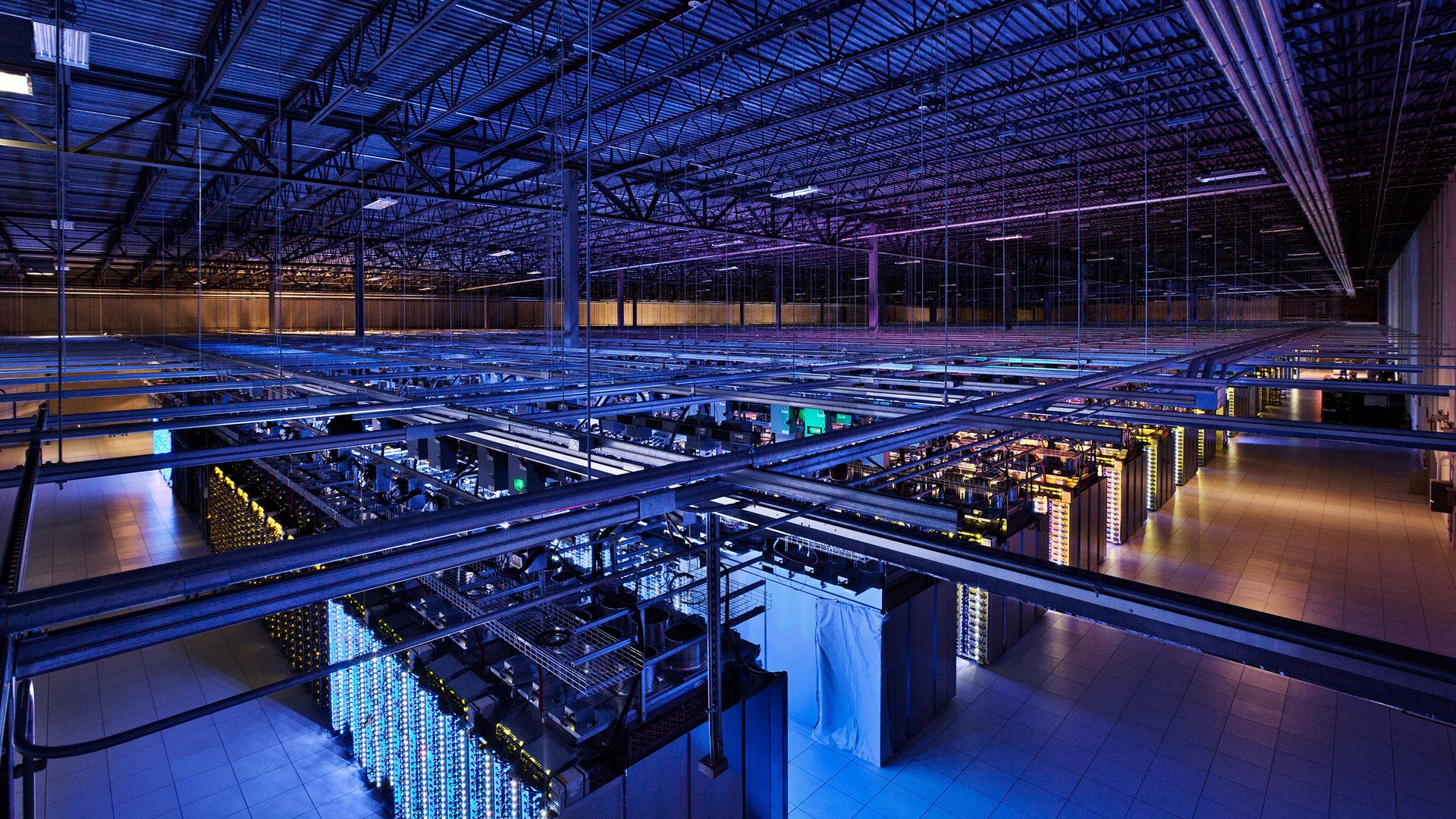
A string of high-profile outages at Microsoft, the Federal Aviation Administration, Chase, United Airlines, the National Security Agency and Apple all occurred within a single week, disrupting email, banking, air travel and other services millions of Americans rely on daily. Officials have said none of the incidents were cyberattacks, but that assurance has not stopped widespread speculation online that hackers or AI systems were responsible. Secretary of State Marco Rubio said the country was not under attack.
On the Uncanny Valley podcast, WIRED senior business editor Sophie Kleeman said the outages had reached people who do not normally follow technology news closely, in part because the failures touched services tied to daily life. She described a fantasy football group chat in which one member asked whether the country was under attack, and said she pointed the person to wired.com for the answer. Executive editor Brian Barrett noted that he had been in multiple group chats where people continued preparing for worst-case scenarios even after being told nothing unusual was happening.
Barrett said the Microsoft Outlook problem traced back to a fix deployed in July that was pushed out across the network and was not triggered until last week, when another update set it off and took time to correct. The FAA outage, which affected air traffic control communications, came a day after the agency rolled out an AI system to help with air traffic control, but that system handles data about where planes are going and what they are doing. The communications failure instead tied back to old fiber equipment maintained by a company called L3Harris, which was attempting an update on a Friday afternoon.
Leah Feiger said the timing of the incidents, near the end of the year and ahead of holiday travel and banking seasons, may help explain why so many updates were being pushed. She added that recent incidents, including one involving Hugging Face, have made hacker and AI explanations an easy first instinct. Barrett also pointed to a political dimension, saying reassurances from public officials do not necessarily settle the question for the public.
The podcast also covered Anthropic's move to go public this week in what is expected to be one of the biggest IPOs ever, with discussion of who stands to benefit and whether recent midterm results could affect the company's ambitions. Barrett and Feiger planned a quick update on Nvidia, which released its first earnings report since Jensen Huang resigned, and held its first all-hands led by interim CEO Colette Kress. They also planned to discuss President Donald Trump's visit to Asia, specifically China, which comes days after his administration moved to close a loophole letting Chinese companies access AI chips.
More AI news from TechManNews.