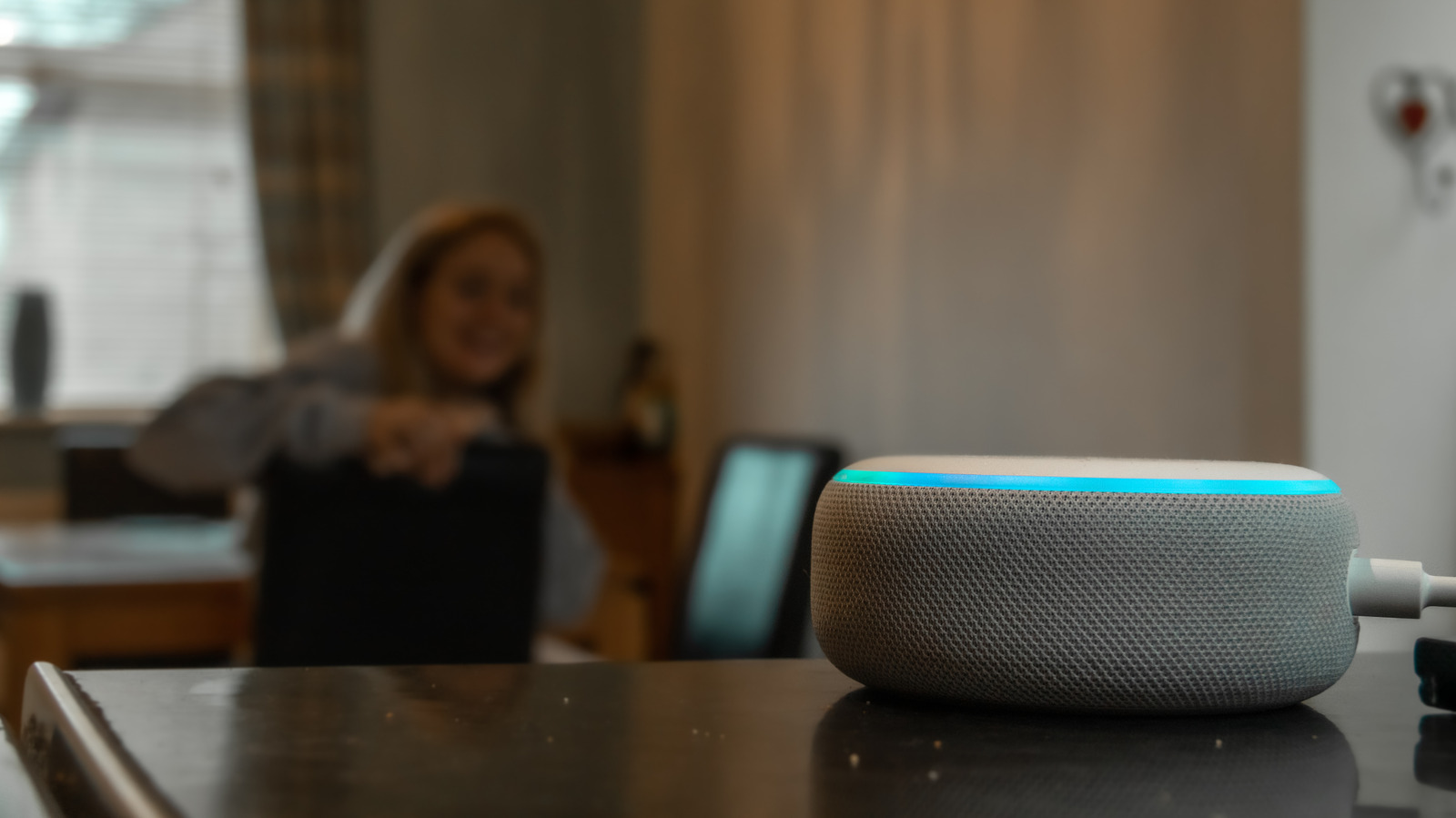
Millions of U.S. households that use Amazon Alexa now have a clearer picture of what the company says its microphones actually do. Amazon states that its Echo devices do not capture every word spoken nearby. Instead, the devices wait for acoustic patterns matching their wake word, a process the company compares to hearing a conversation through earplugs: the exact words are muffled, but a familiar sound like a name still registers. Only after the wake word is detected does Alexa begin actively listening, recording audio and sending it to the cloud.
That approach is the balance Amazon has struck between privacy and the conversational assistance that is Alexa's core function. The company says a device must listen at some level, or it could not know when a request is being made. Amazon also says Alexa devices are built to capture as little audio as possible, storing only direct exchanges with the device. The scrutiny comes as Alexa-enabled devices have topped 600 million purchases worldwide since the original release, a figure that does not directly reflect active users. Amazon recently announced several new products, including a tablet line that involves Alexa, and the company continues rolling out Alexa+, which is designed for additional real-world applications.
Users who want to shut down listening entirely can mute a device's microphone. On most Amazon-made Echo devices, the mute button sits on top and shows a microphone with a slash through it, and a red light confirms the microphone is off. The trade-off is that the microphone must be switched back on manually before each request.
For those who want to keep voice access without pressing a button, Amazon offers recording controls. Users can choose to keep recordings for three or 18 months, retain them until manually deleted, or not save them at all. The same settings screen lets users toggle whether other data, such as smart home device and detected sounds histories, is stored. Some devices also support deletion by voice, with commands such as asking Alexa to delete everything said that day or the entire voice history, though this does not work on devices running Alexa+ or Amazon Kids.
Amazon's controls cover only its own cloud. Third-party devices used with Alexa, such as robotic vacuums or smart TVs, may still retain history after deletion. Removing voice recordings can also limit personalization, because Alexa can no longer maintain a voice profile for the user.
More gadget news from TechManNews.