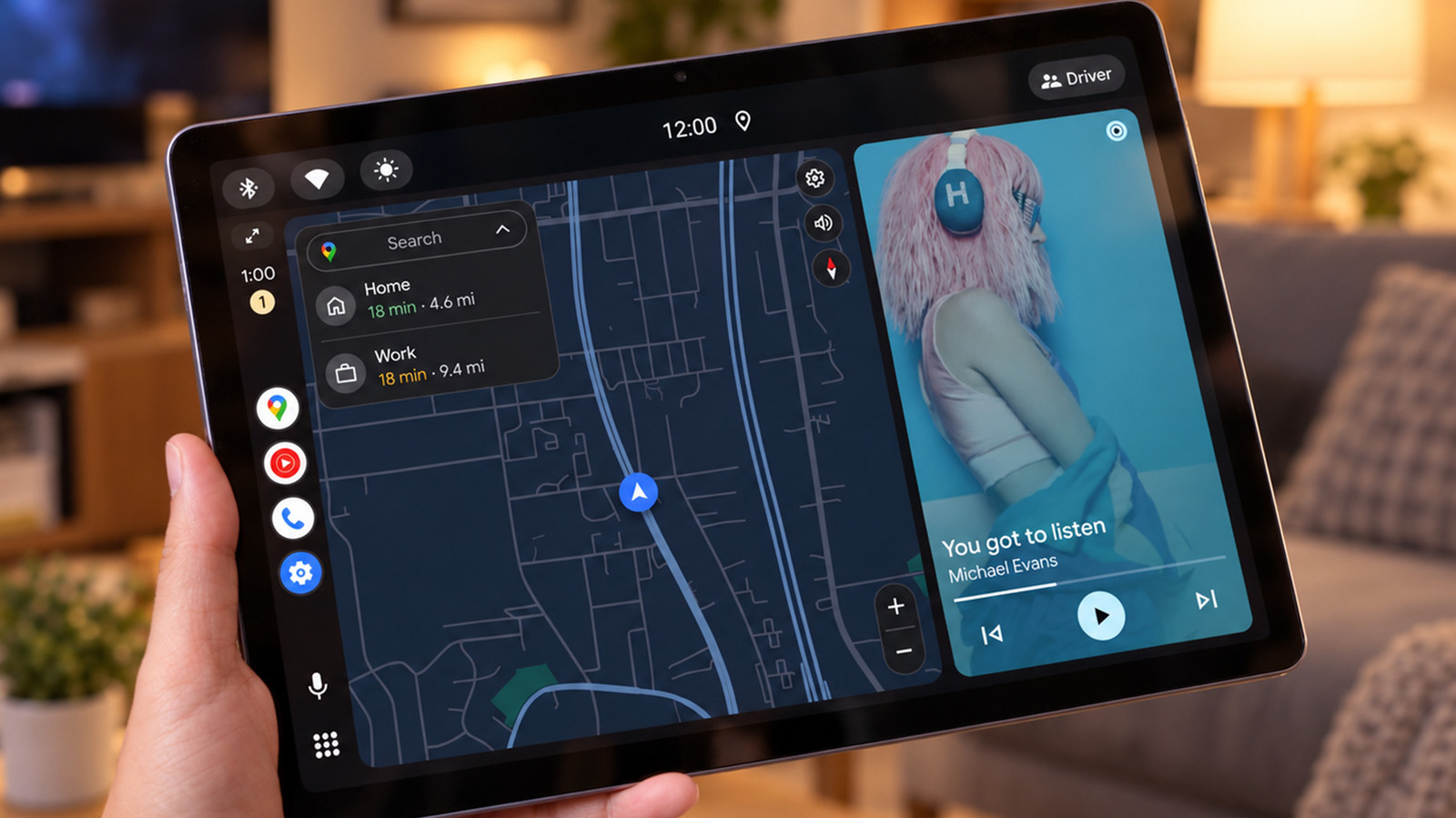
The week's small stories point at one large thing. Software capability is increasingly gated by hardware vintage, by third-party choices, and by whether a platform can figure out how to scale an app to a screen. In each case the software story is real, and in each case the user-facing promise arrives with a condition attached. For American buyers, the practical question is shifting from what a product can do to what a particular product, on a particular day, with a particular setup, is allowed to do.
Features Behind a Model Number
Engadget's report on iOS 27's new CarPlay features is the cleanest example. The release brings a set of new capabilities to car owners whose vehicles support CarPlay, but not every iPhone model can support all of them, as Engadget reported. There is no scandal in that: older silicon has limits, and Apple's pattern of tying features to newer chips is well established. What matters is how the framing lands. The headline promise is about the car; the actual constraint runs through the phone in a driver's pocket.
For US consumers, CarPlay is one of the few pieces of software that changes the experience of a large, expensive object they already own. A new software release is read as a gift to the vehicle. When the gift is partial, the value proposition of a phone upgrade quietly extends itself into the driveway. A driver with a perfectly functional car and a two- or three-year-old iPhone now has a new reason to think about the handset, and the car's own age is irrelevant to that calculation.
For US technology companies, this is a familiar lever, and one worth watching as infotainment becomes a differentiator in vehicle marketing. Automakers advertise compatibility; Apple controls the depth of the experience. The gap between "works with CarPlay" and "supports the newest CarPlay features" is now a marketing surface, and it is not one the automaker controls.
The Truck That Outsources the Update
Engadget's piece on the Slate truck describes a vehicle that gets software updates without built-in infotainment. The short version, per Engadget: it is on you. That is a striking design decision in a US market where over-the-air updates have been marketed for years as evidence that a vehicle improves after purchase.
The trade-off deserves a fair hearing. A truck without a built-in infotainment stack avoids the cost, the obsolescence and the security surface of a screen that will look dated long before the drivetrain does. The owner supplies the computing, presumably through a phone, and the vehicle stays simpler. But the model moves support into the hands of the person who bought the truck, and it makes the software experience contingent on devices the manufacturer does not supply or control.
That has two US implications. First, the buyer must reason about two product lifecycles at once, the vehicle's and the phone's, and the shorter one governs the experience. Second, the responsibility boundary gets blurry fast. If an update fails, or a feature does not appear, the customer's first call may be to the phone maker or the carrier, not the dealer. Established automakers have spent a decade absorbing that support burden to control the relationship; a simpler vehicle gives some of it back.
Scaling Is Still a Support Problem
Engadget's guide to fixing scaling and app size issues on the Samsung Galaxy Z Fold 8 is the least dramatic of the three stories and, in some ways, the most telling. A foldable has trouble getting apps to scale properly, and the remedy is a set of instructions rather than a fix that arrives on its own.
This is a long-running problem in a new chassis. Android developers have to account for an unusual aspect ratio and a changing window, and not every app does. The result is that a flagship device's headline benefit, the larger inner display, can degrade into letterboxing or awkward layout for the apps a person actually uses. The hardware ships; the software experience depends on third-party work that may not come.