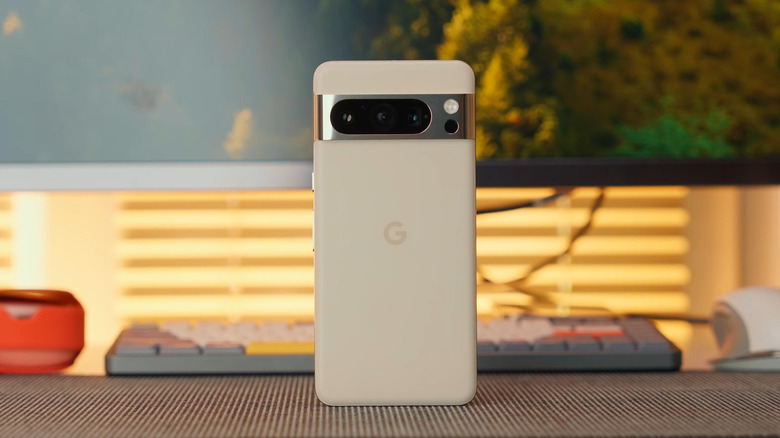
Three of the world’s five largest smartphone makers by shipments - Xiaomi, Oppo, and Vivo - have almost no official retail presence in the United States, according to new data from Counterpoint Research for the second quarter of 2026. That gap leaves American shoppers largely choosing between Apple, Samsung, Google, and Motorola at major carriers like Verizon and AT&T, while consumers in Europe, Asia, and Latin America have access to a broader field of competitive devices. The absence is not accidental, but stems from carrier gatekeeping, geopolitical friction, and business models that do not fit the US sales system.
Xiaomi, which holds about 6 percent of global revenue and 12 percent of shipment volume, has chosen not to sell phones in the US despite not being banned. The company avoids the high costs of carrier certification and potential political risks. Oppo, the world’s fourth-largest vendor with 7 percent of revenue and 11 percent of shipments, made a similar choice, citing commercial strategy, heavy carrier distribution costs, and overall geopolitical tension. Oppo previously had an indirect US presence through OnePlus, but that brand is now exiting North America and Europe. Vivo, the fifth-largest vendor, also bypassed the US, sticking to European, Asian, Latin American, and Middle Eastern markets.
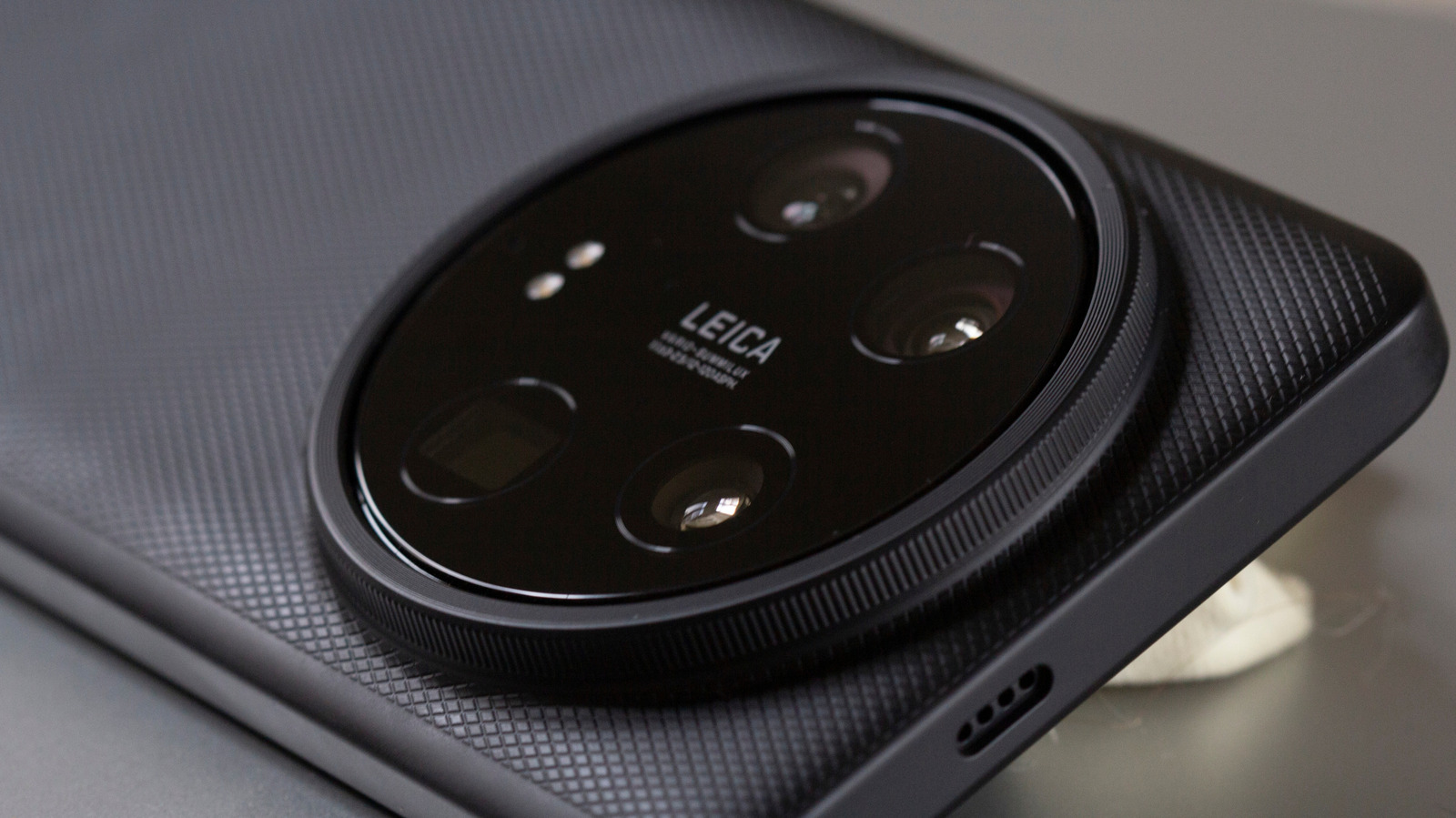
Honor, once a sub-brand of Huawei, also does not sell phones in the US for largely the same reasons. The flagship devices from these brands offer features that often outpace US rivals. Xiaomi’s newest flagship, the 17 Ultra, includes a 50MP 1-inch primary camera sensor, a 200MP telephoto sensor, 90W charging, and an IP69 rating. Oppo’s Find X9 Ultra features the industry-first Penta Camera System, 100W charging, and IP68/IP69 water resistance. Vivo’s X300 Ultra offers a 144Hz 2K AMOLED screen, 100W charging, and a photography-focused camera system.
Budget models also highlight the gap in charging speed and hardware value. Xiaomi’s Poco X8 Pro packs a 6500mAh battery with 100W charging for around $360 on Amazon, while the Honor 600 has a 200MP main camera for roughly $855 through an importer on Amazon. Most US flagship phones top out around 65W charging, a notable difference. Honor’s Magic 8 Pro, meanwhile, includes a 200MP telephoto camera.
None of these brands are officially banned in the US, but political tensions, trade restrictions, and targeted actions against Chinese tech firms have created a difficult environment. US carriers control a large share of smartphone sales, offering subsidized or installment pricing that makes carrier purchases financially attractive. To sell through a carrier, a manufacturer must pass an expensive certification process, meet technical requirements, and agree to revenue-sharing arrangements that reduce margins.
US consumers can technically buy these phones through online retailers or importers, but global variants may lack the LTE and 5G frequency bands required by US carriers, leading to patchy coverage. Features like VoLTE and Wi-Fi calling might not work, and Chinese market-specific versions ship without Google Play Services. For now, the combination of carrier interests, geopolitical concerns, and misaligned business models means Xiaomi, Vivo, Oppo, and Honor will remain largely inaccessible through official US channels, keeping their most advanced features out of reach for American buyers.
More gadget news from TechManNews.